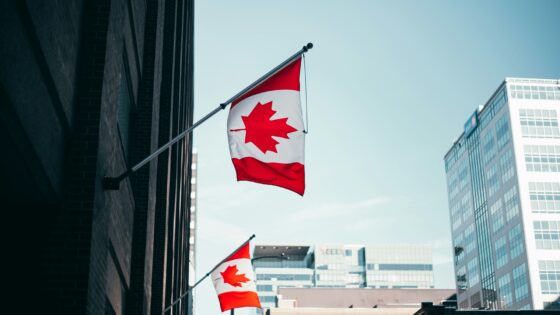




Last week, I spent several days in southern Alberta and had the chance to speak to many Albertans from various levels of society. Of course, we discussed the spectre of independence and there was no shortage of opinions. Overall, the consensus is against independence as an outcome and for independence as a negotiating tool with Ottawa, and for good reason, considering the limitations that have been placed on resource movement and revenue stream creation for resource industries in Alberta.
Alberta’s independence movement should not be dismissed as a prairie tantrum. It is a warning signal from a province that believes Confederation no longer respects the bargain on which Canada was built.
Separatist organizers say they have submitted roughly 302,000 signatures for a vote on Alberta independence, far above the 177,732 required under Alberta’s citizen initiative rules. Elections Alberta has received the petition, although verification is on hold because of a court challenge involving First Nations treaty concerns. A petition is not independence. A referendum is not separation, but the political meaning is clear: a considerable number of Albertans are angry enough to put the future of Confederation on the table.
Canada was never designed to be a unitary state run from the national capital. It is a federation, built for regional difference. Provinces were given authority over property, civil rights, natural resources, education, health delivery, and local institutions because local communities know their realities better than distant bureaucracies. Yet over time, Ottawa has grown comfortable using its spending power, regulatory reach, and moral certainty to shape provincial choices from above.
That centralization is not limited to Alberta. It affects every province, but Alberta feels it sharply because its economy is built around energy, investment, and resource development. These sectors have repeatedly been constrained by federal policy. When a populace sees its main industries targeted, its revenues redistributed, and its policy autonomy narrowed, alienation becomes predictable.
Equalization is part of that resentment. Technically, Alberta does not write a cheque to Quebec or any other province. Equalization comes from federal revenues, but Albertans pay federal taxes, and Alberta has received no equalization payments for years while other provinces receive billions. The Department of Finance lists Alberta at zero equalization for 2026–27, while Quebec is projected to receive nearly $13.9 billion. Whether one supports equalization or not, the optics are politically explosive: one province is told to keep producing, keep paying, and keep quiet, while decisions elsewhere are cushioned by national transfers.

The deeper problem is accountability. When provinces can make policy choices while costs are blurred through national programs, citizens cannot clearly see who is responsible for success or failure. A province that grows its economy, attracts investment, and manages its finances should realize the gains. A province that chooses heavier regulation, higher taxes, or weaker productivity should face the consequences of those choices.
Canada needs a smaller, more disciplined federal government. Ottawa should focus on the things only Ottawa can do national defence, borders, currency, criminal law, foreign affairs, and genuine national infrastructure. It should stop trying to be a national school board, housing ministry, health manager, climate planner, and municipal supervisor.
Decentralization does not mean abandoning national unity. It means saving it. A country as large and diverse as Canada cannot be governed well by pretending that: Calgary, Toronto, Halifax, Montreal, Iqaluit, and rural Saskatchewan all need the same answer from the same department in Ottawa.
Alberta independence may not win a referendum. It may not even reach a final vote if legal barriers hold, but the sentiment behind it will not disappear because of mockery. It will grow wherever citizens believe their province has become an administrative branch of Ottawa rather than a partner in Confederation.
The answer is not to break Canada apart, but one answer is to restore the federal balance. Let provinces choose, keep, and risk more, and then, let them answer to their own citizens. Then we can work towards being a functional Confederation once again.
Stay in the loop with exclusive news, stories, and insights—delivered straight to your inbox. No fluff, just real content that matters. Sign up today!