


As I reviewed AccuWeather’s hurricane forecast this morning, my thoughts turned to the families along Canada’s Atlantic coast, in the Caribbean, and those with loved ones in storm-prone regions. The prediction of three to five named storms this August, including Erin and Fernand forming within weeks, is a call to readiness.
The problem we face is straightforward: storms don’t respect borders. When Senior Meteorologist Chad Merrill explains that “The tropical activity we’re seeing right now is normal,” I feel both reassured and vigilant. What’s “normal” in hurricane season demands our full attention, especially as these systems can influence weather patterns far beyond their origins.
In investigating how these forecasts impact us, I have discovered something profound: predictability is power. Knowing Erin and Fernand will likely develop in the Atlantic within two weeks gives communities precious time to prepare. Merrill’s timeline (August 17th -22nd for potential Caribbean or U.S. impacts) is a lifeline for emergency: planners, fishermen, and coastal families.
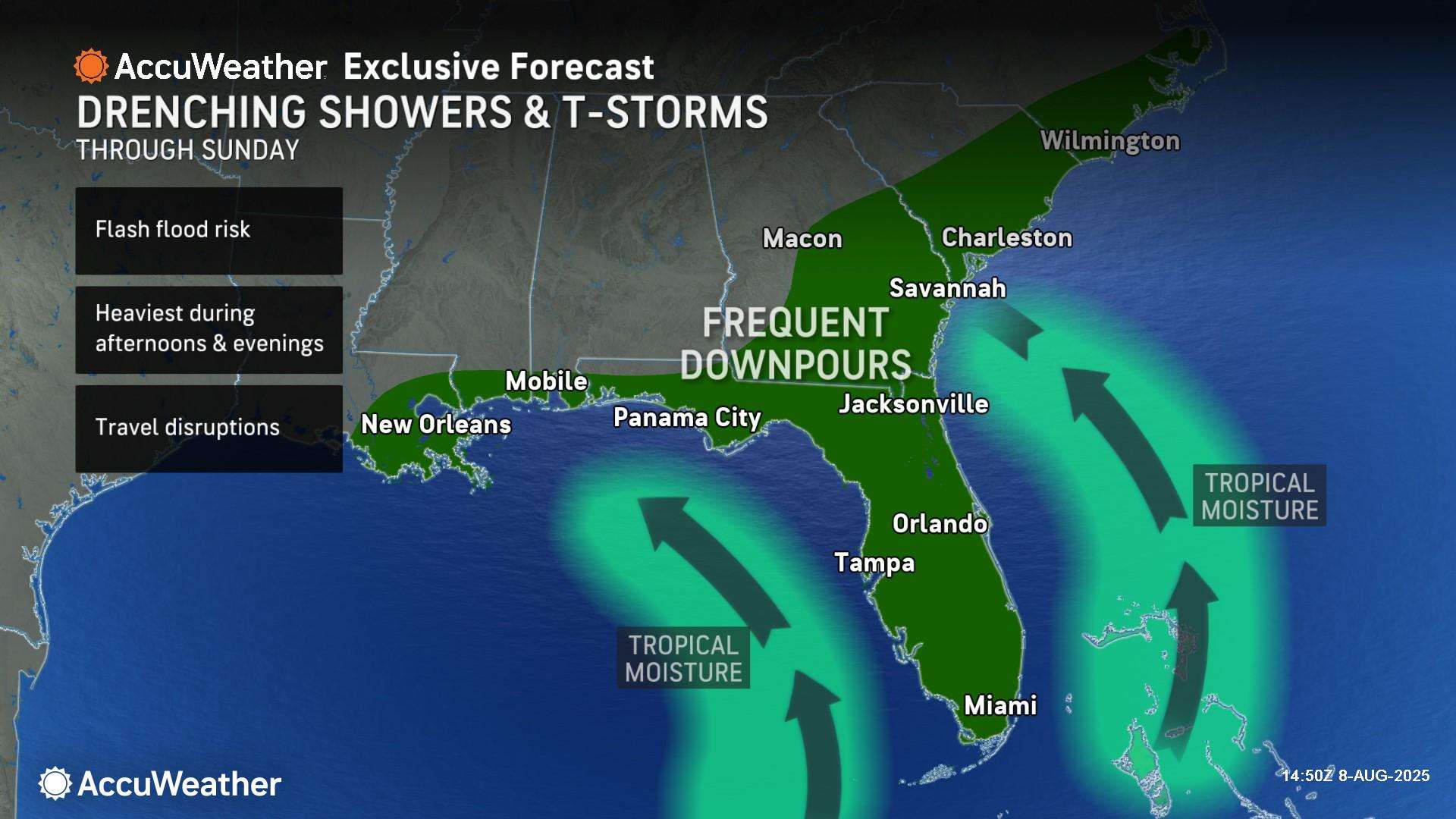
What I have come to understand is that hurricane season creates a unique rhythm of community responsibility. When AccuWeather identifies four development zones (from the Gulf to the central Atlantic) they are mapping not just atmospheric pressure, but human vulnerability. Merrill’s note that one high-risk system “Will get caught in the jet stream and recurve near Bermuda” is geography that shapes lives.

Finding common ground means acknowledging that safety transcends opinion. Whether we’re in Halifax or Miami, the need for accurate, actionable forecasts unites us. As Merrill notes, we typically see four named storms in August. This consistency allows us to build systems, from emergency kits to evacuation routes, that turn warnings into wellness.
Moving forward requires seeing these forecasts as community blueprints. The AccuWeather team’s transparency, “We typically see four named storms,” models the clear communication that saves lives.
As I write this, I’m reminded that journalism’s role is to strengthen our collective response. When we learn that “rough surf and strong rip currents are likely from Florida to Cape Cod,” we’re receiving a responsibility: to check on elderly neighbors, to secure boats, to swim near lifeguards.
The emotional work of connecting forecasts to daily life is how we build resilient communities. Each storm season becomes a chapter in Canada’s story of readiness and care. Our response to these weather patterns: heeding warnings, preparing supplies, looking out for one another, ultimately defines how we protect what matters most.
Stay in the loop with exclusive news, stories, and insights—delivered straight to your inbox. No fluff, just real content that matters. Sign up today!