


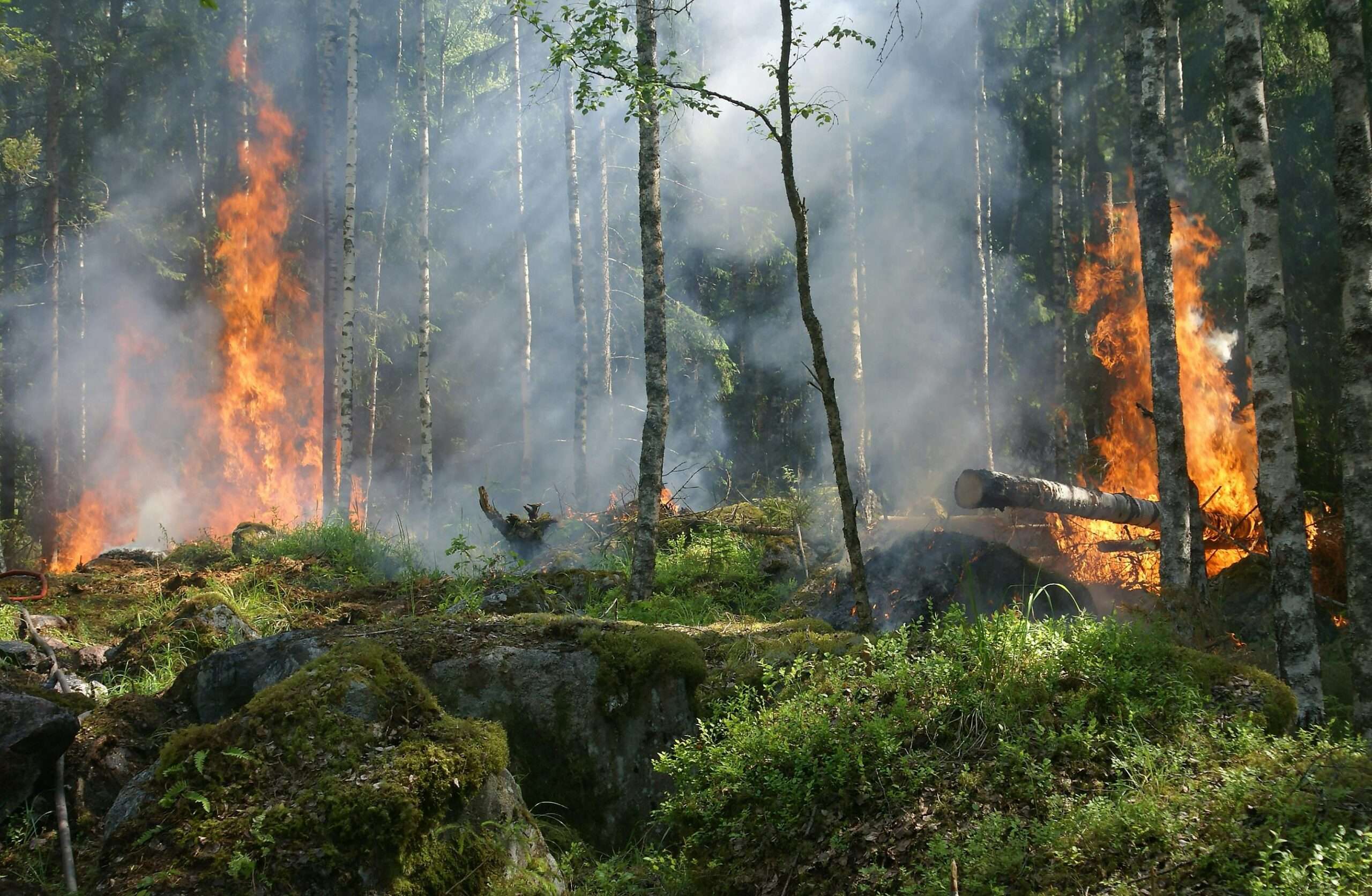

Today, Atlantic Canada finds itself at the center of a profound debate that encapsulates our global climate dilemma. The recent forest access restrictions implemented in Nova Scotia and Newfoundland are a window into our collective future as we navigate the escalating climate crisis.
Nova Scotia’s implementation of strict bans on hiking, camping, fishing, and ATV use in wooded areas (with penalties reaching $25,000 for violations) has sent shockwaves through communities. Landowners can access their own property but cannot host others. All trail systems are closed until October 15th, 2025, or until conditions improve. These measures follow a province-wide burn ban which is reportedly designed to prevent a repeat of the devastating 2023 wildfire season.
Meanwhile, Newfoundland has dramatically increased fines for violating fire bans: up to $50,000 for first offenses, $75,000 for second offenses, and $150,000 plus imprisonment for third violations. New Brunswick, while currently under a burn ban, has not yet imposed similar woods access restrictions.
These measures have sparked intense debate. Residents feel trapped, tourism operators face devastating losses, and questions about governmental overreach abound. As I have examined these policies through both a scientific lens and with concern for community wellbeing, I have found myself grappling with the same question many Atlantic Canadians are asking: Where do we draw the line between collective safety and individual freedom?
According to Environment and Climate Change Canada, our nation is experiencing wildfire seasons that are starting earlier, ending later, and becoming more intense. The 2023 wildfire season was unprecedented in Canadian history, burning over 18 million hectares of land, more than double the previous record set in 1989. The economic costs exceeded $9 billion, not counting the immeasurable human toll of displacement, health impacts, and loss of life.
From a scientific perspective, reducing human-caused ignition sources during critical periods makes logical sense. Government statistics indicate that most wildfires are indeed human-caused. However, the implementation of these restrictions raises legitimate questions about rights and freedoms.
The Canadian Charter of Rights and Freedoms doesn’t explicitly protect property rights, which complicates legal challenges to these bans. While mobility rights and freedom of assembly are guaranteed, courts have generally accepted reasonable limitations when public safety is at stake. Still, the term “climate lockdowns” has entered mainstream discourse, creating a narrative that these measures represent government overreach rather than necessary precautions.
This narrative gained traction after the COVID-19 pandemic, with some suggesting that “climate lockdowns” would become the new normal. As we analyze these policies, we must acknowledge who benefits and who bears the burden. Public safety is certainly enhanced when human-caused wildfires decrease. Governments avoid the tremendous costs associated with firefighting and evacuation. Insurance companies face fewer claims. Forest ecosystems and wildlife receive protection from catastrophic fires.

Yet, the costs are unevenly distributed. Tourism operators lose income during peak season. Outdoor enthusiasts find their recreational activities curtailed. Local economies that depend on nature-based tourism suffer.
What’s particularly concerning is how these restrictions intersect with broader climate justice issues. The wealthiest elites (especially the top 1% and 10% of the global population) contribute disproportionately to climate change, with the top 1% responsible for about 15-16% of global emissions, more than the total emissions of the bottom two-thirds of humanity. Their carbon-intensive lifestyles, including frequent private jet travel and investments in polluting industries, drive the climate crisis, while ordinary citizens bear the brunt of both climate impacts and restrictions.
This disparity raises fundamental questions about fairness. Are we addressing climate change in ways that burden those least responsible while allowing the biggest emitters to continue business as usual? The current restrictions, while scientifically justified in terms of wildfire prevention, highlight this troubling imbalance.
The debate over forest access restrictions has become polarized, with environmental advocates pitted against civil liberties proponents. This false dichotomy prevents us from finding sustainable solutions.
What if we could reimagine our relationship with forested lands? Indigenous fire management practices offer valuable insights. For millennia, Indigenous peoples across North America used controlled burning as a land management tool, reducing fuel loads and preventing catastrophic wildfires. These practices were suppressed during colonization but are now being recognized as vital components of sustainable forest management.
The Antarctic Treaty of 1959, while not directly related to Canadian forest policy, offers a model for international cooperation on environmental protection. It demonstrates how competing interests can find common ground in preserving shared resources.
We must also recognize that climate adaptation requires nuanced approaches.
We need policies that both protect communities and preserve civil liberties. This means:
- Investing in predictive technologies that allow for more targeted restrictions rather than blanket bans
- Incorporating Indigenous knowledge and traditional fire management practices into forest management
- Developing clear, science-based criteria for when restrictions are implemented and lifted
- Creating compensation mechanisms for those economically impacted by necessary restrictions
- Addressing the root causes of climate change by implementing policies that target the largest emitters
What we need now is honest dialogue that acknowledges both the urgency of climate action and the importance of civil liberties. We must move beyond rhetoric and bans toward solutions that protect both people and the planet.
Stay in the loop with exclusive news, stories, and insights—delivered straight to your inbox. No fluff, just real content that matters. Sign up today!