


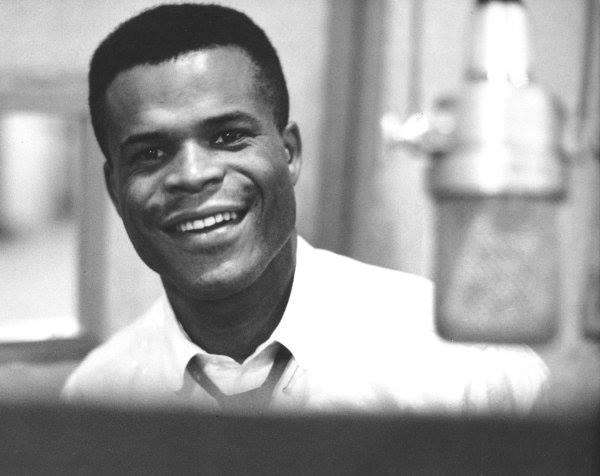

In the landscape of American music history, certain voices echo through time, shaping genres and inspiring generations. Yet, some of these influential artists remain surprisingly overlooked, their stories gathering dust in the margins of cultural memory.
What if I told you that one of the most significant voices in modern music, a man who pioneered the blend of gospel and secular music, influenced Elvis Presley, and built a record label’s success, has yet to receive his rightful place in the Rock and Roll Hall of Fame? This is the story of Roy Hamilton, and the family fighting to ensure his legacy resonates for generations to come.
Born on April 16th, 1929, in Leesburg, Georgia, Roy Hamilton’s journey began like many musical greats of his era, in the church. By age six, he was already a respected soloist, his powerful baritone voice captivating congregations. His family, seeking opportunity away from the oppressive segregation of the South, moved north through the same underground railroad that had offered freedom to previous generations. When they settled, young Roy continued singing at Central Baptist Church, where he began to understand what he believed was his divine purpose.
“He knew what he was supposed to do. He knew what God put him on this earth to do,” reflects Mama Maria Hamilton (the wife of Roy Hamilton Jr), keeping his memory alive decades after his passing.
What made Hamilton revolutionary was his fearless fusion of sacred and secular sounds. “He merged his Christian music with secular music. He created that sound; he was the first one to do that. He brought that to the music industry,” Maria explains. This innovation was culturally transformative, opening doors for future artists to explore similar blends.
The music industry of the 1950s and 1960s presented a complex landscape for African American artists. While their talent was undeniable, the push for crossover appeal often pressured them to adapt their styles to suit white audiences, sometimes at the cost of their own musical identity. Popular music genres pioneered by African American artists were frequently imitated and sanitized by white performers, resulting in the erasure, or minimization of African American contributions to mainstream culture.
Roy Hamilton experienced this firsthand. Despite being Epic Records’ number one selling artist (essentially building the label’s reputation), he faced significant obstacles when it came to fair compensation and recognition. “When it came to renegotiating, they didn’t want to do this, and this is why he left,” reveals Roy Hamilton Jr. “He reached the pinnacle of success. We will not forget what happened.”
The financial struggles were compounded by the physical demands of touring during segregation. African American musicians like Hamilton were largely confined to the certain musical circuits, usually a network of clubs, theaters, and bars that were safe and accessible for African American performers during segregation. While these venues allowed artists to maintain careers, they also limited exposure and financial opportunities.
“Then there came the struggles of touring. We couldn’t do as much with him. We were so young,” recalls Ray Hamilton, Roy’s son, highlighting the personal cost of his father’s career. The family memories paint a picture of a man dedicated to both his craft and his family. “He would be on the road, and when we got in trouble, he would rap us on the hands with a pencil,” Ray shares with a smile. These glimpses into their life together reveal the human behind the iconic voice, a father trying to balance the demands of fame with family responsibilities.
Perhaps most telling is the influence Hamilton had on other artists, most notably Elvis Presley. The connection between these two performers speaks volumes about Hamilton’s impact. “There was a lot of racism during that time, but what people don’t know is how much Elvis looked up to Black musicians,” Ray explains. “He knew that Roy was not being honoured the way he should have been. Knowing what he knew, he stepped in and did that for him.”

This stepping in took a profound form. When Roy Hamilton suffered a stroke at age 40 and subsequently passed away in 1969, it was Elvis Presley who paid for his medical and funeral expenses. This gesture was a recognition of the debt that mainstream music owed to pioneers like Hamilton.
The Hamilton family has continued their father’s musical legacy. “All of us have that music thing. If you are a Hamilton, you have that music thing in you,” Ray asserts. “All of us are doing music in some way shape or form. Even though he died really early, we had each other, and we had the voice of dad.”
Roy Hamilton Jr. found inspiration in his father’s work: “Dad is one of my biggest inspirations. I always wanted to sing like dad. I listened to his music and listened to his voice. I thought, ‘how can we continue to work in the industry.’” Together with Mamma Maria Hamilton, he began producing shows and music, keeping his father’s sound alive.
The strength of the family unit, particularly after Roy’s passing, was largely due to his wife Merna. “Mom was Merna Hamilton. She had a voice that didn’t need a microphone. She kept us in the music, and it was challenging. She did what she could, and kept us all together,” Ray remembers. “She was the strength of our family. She continued to inspire us.”
Today, the Hamilton family is channeling that strength into a new mission: securing Roy Hamilton’s induction into the Rock and Roll Hall of Fame. Maria initiated a petition, recognizing that this recognition is about correcting historical oversights and ensuring that pioneering African American artists receive their due.
“The Hall of Fame is about publicity,” Maria acknowledges, understanding the complexities of the music industry’s recognition systems. “Fans and the general public can support an artist’s induction into the Rock and Roll Hall of Fame primarily by participating in the annual fan vote and by using interactive kiosks at the museum.”
As Roy Hamilton III notes, the family’s efforts extend beyond recognition, “I would like to see the family get our estate in order.” This practical concern reflects the ongoing impact of the music industry’s historical inequities; how even successful African American artists often didn’t receive the same financial security as their white counterparts.
The story of Roy Hamilton is a lens through which we can examine the complex dynamics of race, art, and commerce in American music history. His powerful voice, which bridged gospel, pop, and R&B, paved the way for countless artists who followed. Yet his relative obscurity today speaks to the systemic erasure of African American contributions to mainstream culture.
When we listen to Hamilton’s iconic “You’ll Never Walk Alone,” we hear not just a beautiful song, but a promise; a promise that despite the struggles, despite the industry’s failures, the legacy of true artistry endures. The Hamilton family continues to ensure that promise is kept.
As readers, we have the power to help complete this story. By supporting Roy Hamilton’s induction into the Rock and Roll Hall of Fame, we are acknowledging the countless African American artists who shaped American music while receiving inadequate recognition and compensation.
The final question remains; will we help Roy Hamilton finally take his rightful place in music history, or will his voice continue to fade into the background? The choice, quite literally, is in our hands.
To support Roy Hamilton’s induction into the Hall of Fame, readers are encouraged to sign and share the online petition available at www.royhamilton.com. His son, Roy Hamilton Jr., continues to carry forward his father’s legacy as a dynamic entertainer and vocal coach. For booking inquiries or to schedule virtual voice lessons, visit www.royhamiltonvoice.com
Stay in the loop with exclusive news, stories, and insights—delivered straight to your inbox. No fluff, just real content that matters. Sign up today!