

There are stories that resist silence. This is one of them…
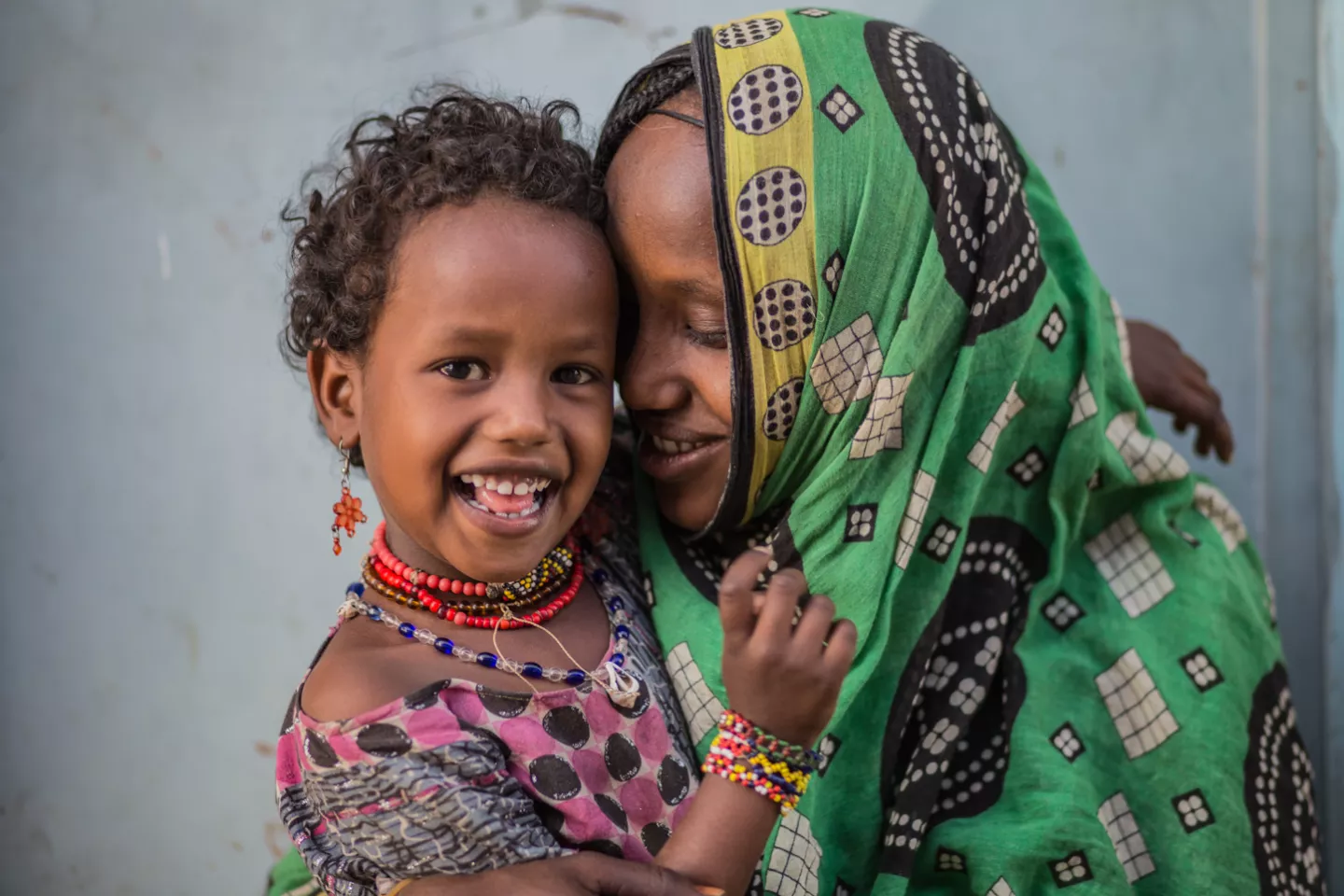
The newest figures from the Integrated Food Security Phase Classification (IPC) suggest Somalia is on the edge of a humanitarian cliff: by July 2026, nearly half of its children under five could face acute malnutrition. Every one of those numbers is a child, a small body fighting hunger with fewer defenses than most of us will ever know.
Yet, numbers alone rarely change us. They are abstractions until we translate them into lived human stakes. This is where journalism, when done with psychological awareness, bridges the gap between data and conscience.
The Somali crisis explodes the neat categories policymakers lean on. Flash flooding, below-average rainfall, high food prices, and ongoing conflict, together these forces have nearly erased the fragile buffers families once relied upon. A political analyst could chart these variables; a cybersecurity strategist would note the fragile systems holding under strain, but the truth is that somewhere between geopolitics and algorithms sits a mother holding her starving child.
One of Somalia’s own aid leaders said it plainly: hunger at this scale is political. Global funding cuts have already shuttered over a quarter of nutrition and health facilities. More than 55,000 children have been cut off from life-saving support since June.
When services vanish, it is rarely the powerful who feel it first. It is the smallest bodies, the children, who are asked to absorb the shock of policy choices made thousands of miles away.
Here lies an emotional paradox. On one hand, we understand Somalia’s crisis as structural, mired in global politics. On the other, humanitarian response is often narrated as charity, something optional. That framing is part of the problem.
What if we rewired how we think about crises like this one? Instead of categorizing aid as generosity, what if we recognized it as a moral debt, a responsibility shaped by: historical imbalances, colonial legacies, and global economic interdependencies?

Evidence shows that when readers are invited into a story as participants, their cognitive load lightens. Instead of drowning in despair, they step into agency, “What can I do? Who can I amplify? How can I pressure leaders?” This mental shift is critical.
To tell the Somali story responsibly, we cannot leave readers shut out behind glass. We must invite them in. We must open loops that engage their moral imagination and close them with actionable options.
Coming from the African Caribbean community, I know our complicated relationship with global aid narratives. Too often, the continent’s suffering is presented to us as spectacle, a drumbeat of devastation that conditions us toward emotional detachment. Technology and media saturation deepen this numbness: scrolling past starvation as though it were another story in an endless feed.
Here’s where community journalism plays a distinct role. Instead of bowing to despair, or cynicism, we hold space to process our emotions together. We admit not knowing all the answers. We grieve collectively, and then, in dialogue, we map ways forward.
For some, that means financial contribution. For others, it means advocacy and using digital platforms responsibly, to amplify Somali voices rather than simply consuming them. For still others, it may mean holding governments accountable for the policies and funding choices that decide whether nearly two million children live or die.
Here is the revelation: the difference between famine and survival is not abstract. It can be as simple as whether a nutrition center has funding to stay open another week. Whether a truck carries fortified food into the south, or whether rations run dry at the last mile.
That thin line is where humanity often proves itself, or fails.
Somalia’s situation is dire, but not hopeless. History shows that when political will aligns with urgency, mass hunger can be averted. The famine of 2011, which killed over 250,000 Somalis, stands as a cautionary reminder of what happens when the world turns too slowly. Today’s data gives us something 2011 did not, foresight. We can decide, right now, whether those numbers become graves, or futures.
The truth is harder, but it is also braver: hunger of this magnitude is not inevitable. It is preventable. What happens next will not be remembered as an act of nature—but an act of choice.
Do not let these numbers slip into background noise. Share this story. Pressure your leaders. Rethink aid as justice, and most importantly, ask yourself: if you do nothing, what story will be told about the world you allowed to exist?
Stay in the loop with exclusive news, stories, and insights—delivered straight to your inbox. No fluff, just real content that matters. Sign up today!