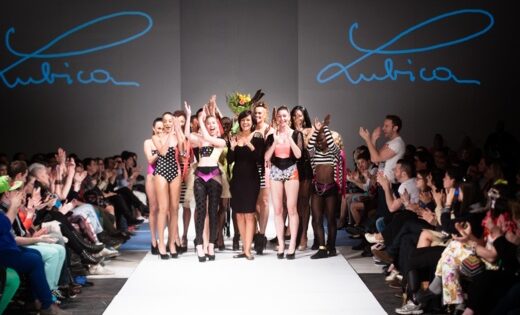



Society has always tried to dictate what the “ideal” body should look like. Decade after decade, the image changes, yet the pressure stays.
In the early 20th century, curvy women were celebrated. Muscular “He-men” chased these women, and the mix of strength and fullness defined attraction. By the 1960s and 70s, “thin as a rail” became the standard. Perfect hair, flawless skin, and cocktail-ready style turned into the symbols of desirability. Everyone wanted to look like the models in magazines: tall, sleek, and seemingly effortless.
Appearances weren’t the only thing shifting. In the 1980s and 90s, men gained points for humour, intellect, and confidence. Yet, women still faced the unforgiving gaze of advertising and marketing. A man’s wit could win him love, but a woman’s worth was judged first by her body. Her inner strength (spirit, grit, kindness) was secondary. The double standard was clear.
Business magnified it. Fashion and beauty companies sold lingerie, perfume, and dresses to highlight curves. Men’s ads focused on power and muscle. Everything came back to profitability. Even rebellion became a brand: sundresses and spectacles for women, jeans and T-shirts for men. Style was marketed as freedom, but it was just another form of control.
Uniformity followed. Hairstyles swung from big and bold to sleek and safe. By the 90s, conformity ruled. Ads told us how to look, and most of us listened. Deep down, people pushed back. Rebellion simmered against sameness.

Then the 2000’s changed everything. Social media cracked open the door to authenticity. Suddenly, celebrities and everyday people shared flaws without shame. Stretch marks, pregnancy photos, acne, and body quirks appeared in feeds worldwide. Gay men and women came out publicly, reclaiming visibility with power. Imperfection became worth celebrating.
The pandemic accelerated this shift. Forced out of routines, people reimagined what mattered. Isolation sparked creativity and reflection. Many discovered flexibility, resilience, and a new lens for self-worth. Connection moved from surface to substance.
For decades, attraction began with looks. Now, it increasingly starts with conversation. Dating apps may invite a swipe, but the real test is dialogue. What drives someone? What makes them laugh, dream, or persevere? Appearance might open a door, but personality keeps it from closing.
Pop culture even reflected this truth. Think of George Costanza from Seinfeld. Hardly the model of physical allure, yet unforgettable when he spoke. His flaws made him human: messy, insecure, searching for belonging. People saw themselves in him, and that recognition mattered more than looks.
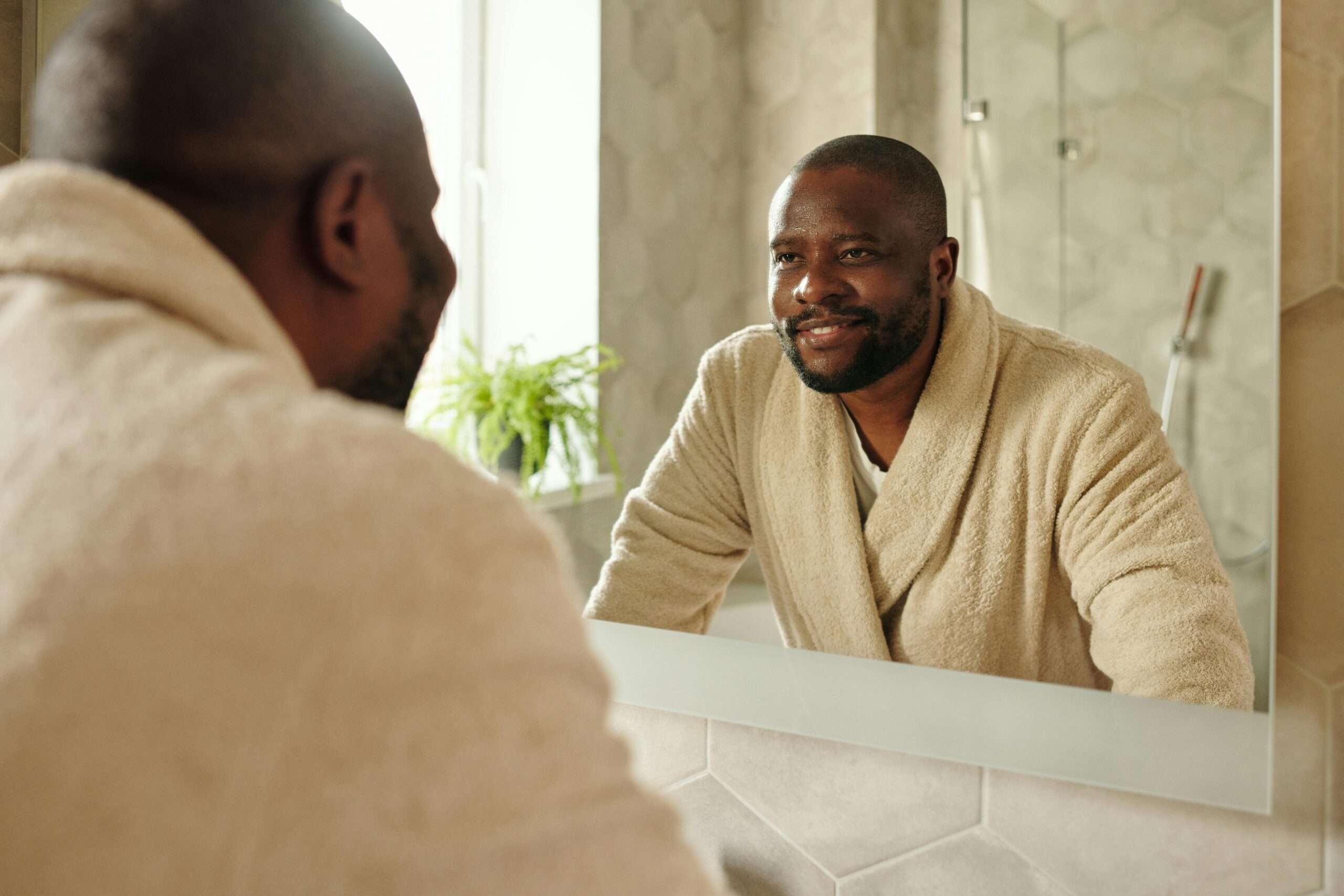
Today, more people embrace self-acceptance. Strength lies in authenticity, not in squeezing into someone else’s definition of beauty. When you recognize your own truth, you free yourself.
Clothing, after all, is just wrapping. The real gift is inside.
Stay in the loop with exclusive news, stories, and insights—delivered straight to your inbox. No fluff, just real content that matters. Sign up today!