

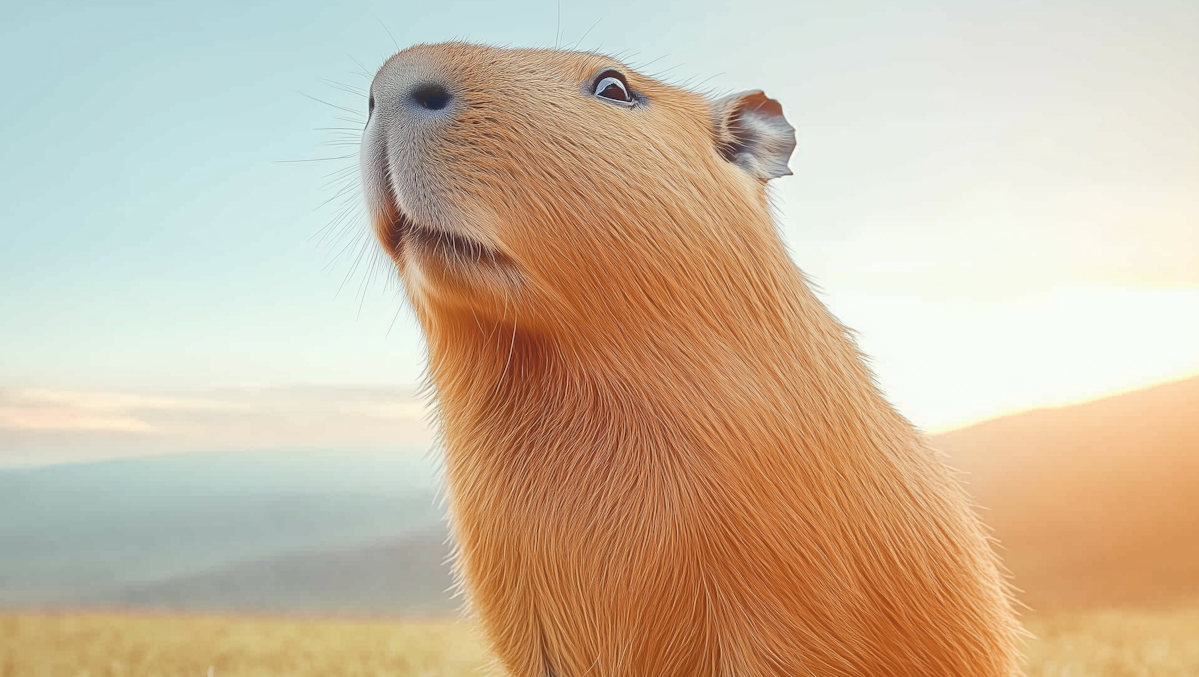

Remember when we used to joke about “Don’t believe everything you see on the internet?” Well, that was cute. Now we have Sora, OpenAI’s new AI video generator that can spin a sentence into a hyper-realistic movie clip. It’s like the universe handed Photoshop and Pixar to your laptop and said, “Good luck, humanity.”
At first glance, Sora is just another leap forward in creative tech. You type “a penguin jogging through Times Square at sunset”, and poof, there it is, feathers glistening in cinematic lighting. Beneath the wow factor sits a quieter, weirder shift: reality is no longer the final authority. We’ve entered the era where imagination and evidence use the same software.
“When everyone can create “reality,” who controls the truth?”
That’s both thrilling and terrifying. On one hand, Sora democratizes creativity. You don’t need a Hollywood budget to make a film anymore, but rather just a clever idea and a decent Wi-Fi connection. Students could bring history to life, small businesses could produce studio-quality ads, and storytellers everywhere could turn daydreams into visuals. It’s a huge win for human imagination.

Here’s the catch: when everyone can create “reality,” who controls the truth? Deepfakes already circulate online, showing public figures saying and doing things they never did. Sora raises the stakes from “That looks fake” to “Wait… is this real?” The technology doesn’t just blur the line between truth and fiction; it erases it.
The real danger isn’t political manipulation or viral hoaxes; it’s fatigue. When every video might be fake, we might stop believing anything. Truth becomes optional, not because we’re deceived, but because we’re exhausted. That’s the real deepfake: the erosion of trust itself.
So, what do we do? We could regulate, watermark, or detect AI content, all necessary steps, but technology will always move faster than policy. The real solution might be cultural: developing a new literacy of seeing. We’ll need to treat video the way we treat rumors, as claims, not proof. In other words, skepticism is about to become a survival skill.
Sora doesn’t make humans obsolete; it holds up a mirror. It shows how badly we crave both wonder and certainty, and how easily we trade one for the other. The challenge isn’t stopping AI from faking reality; it’s learning how to live responsibly in a world where it can.
If reality has become optional, the choice is ours, not Sora’s.
Stay in the loop with exclusive news, stories, and insights—delivered straight to your inbox. No fluff, just real content that matters. Sign up today!