


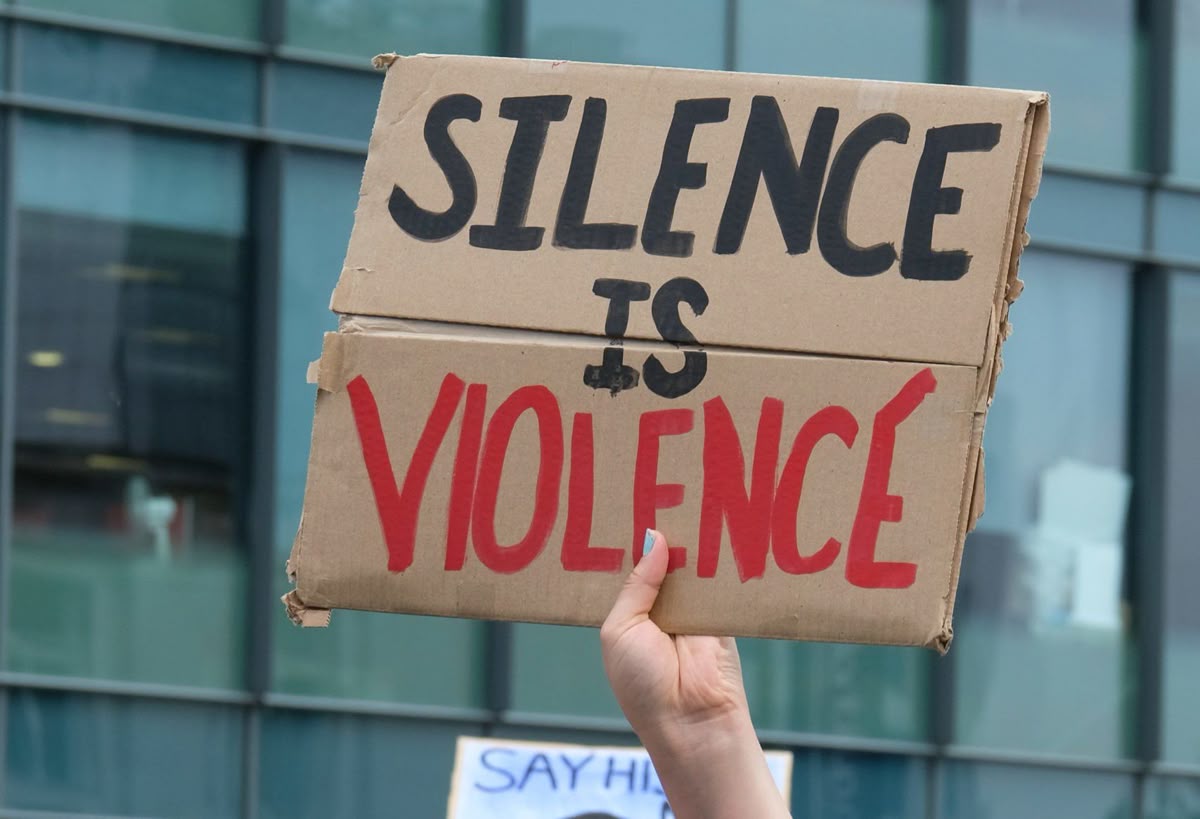

We often mistake silence for stability. We accept the weight of corruption and economic instability, assuming the systems controlling our lives are too robust, too ingrained, to truly falter. This normalization, this collective psychological surrender, is perhaps the greatest power wielded by any administration, but what happens when the people collectively decide the toll of compliance is higher than the risk of defiance?
The recent forced resignation of the Bulgarian government offers a profound, if subtly chilling, answer.
Bulgaria’s prime minister stepped down amidst sustained mass protests, unable to manage public dissatisfaction over corruption and controversial economic strategies. This event, culminating in an anticipated no-confidence vote, was a psychological rupture, a concrete example of power dissolving when public obedience is withdrawn. When citizens unite and refuse to comply with corrupt systems, fundamental change becomes possible.
This dynamic reveals a critical truth about governance: governments and elites rely entirely on public adherence. Their grip loosens the moment citizens withdraw their compliance, whether through grassroots activism, strikes, or widespread protests. It is a powerful lesson in collective agency, framed by observers like David Icke as a victory against elite control and a rejection of traditional top-down governance. It serves as a stark reminder that while those in power may seek to control our destiny, we are often the ones giving that power away every minute of our lives.

This withdrawal of consent is the shift that threatens centralized power structures worldwide.
Yet, this victory in Bulgaria, this temporary reclamation of agency, exists within a larger narrative of escalating global control. The pressure points that caused Bulgaria’s government to fall economic dissatisfaction and accountability demands, are symptoms of systemic instability that some predict will be exploited to accelerate the centralization of global authority.
For marginalized communities, particularly racialized populations like Afro and Indo Caribbean Canadians, understanding these global shifts is a matter of future security. As calls for accountability rise, so too does the push toward systems of heightened surveillance, digital control, and technocratic rule.
We are seeing frameworks, like the UN’s 2030 Agenda (viewed by some as a “Totalitarian Trojan Horse”) that aim to implement Central Bank Digital Currencies (CBDCs), social credit scores, and increased surveillance under the guise of sustainable development. These changes including engineered economic crashes and the expansion of AI into daily life, are predicted to restrict personal autonomy and could disproportionately intensify systemic barriers related to job security, access to credit, and digital privacy for those already vulnerable.
This is the subtle burden; when freedom and economic stability are increasingly conditional, the cost of non-compliance rises dramatically.
To resist this path, we must look to the blueprint laid out by those who challenge authority in the immediate act of protest, and also in the sustained refusal to grant consent. The Bulgarian example inspires us to foster civic engagement, build broad coalitions, and engage in mass non-compliance and peaceful protests to challenge policies linked to concentrated power.
Our clarity, our collective power, and our sustained vigilance are the only tools we have to dismantle the fragile shield of elite control. We must reclaim our agency, realizing that the solution to societal dissatisfaction lies in demanding transparency and accountability and ensuring marginalized voices are central to decision-making processes. We must reject the instinct to look for someone else to blame and instead embrace the power inherent in collective action.
The choice is ours: Will we continue to give away our power, or will we harness the reality that authority, devoid of consent, is merely an empty room?
Stay in the loop with exclusive news, stories, and insights—delivered straight to your inbox. No fluff, just real content that matters. Sign up today!