


Written by Norma Nicholson
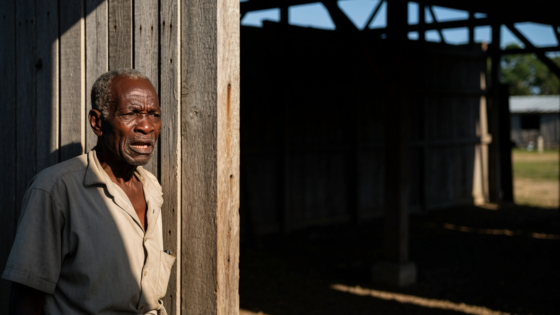
Daniel’s parents waited in the hallway for him to get downstairs to hop a ride with them to school. His mom called upstairs, “Boy, you had better hurry, we need to get going to make a living.” He responded, “What is all the fuss? I am coming.” This was not the best response he could have given to his parents. In the car, his mom said it was disrespectful to respond to them in that way. His dad said, “Son, let’s talk when we get home later.”
As an adult, do you try to forget the details, or even try to erase your adolescent behaviours from memory? These are the transitional phases between childhood and adulthood. It is a unique stage of development. It should be an exciting time in a young person’s life. However, it can be a stressful time for different cultural groups.
Let’s look at this phase of development for all youth. Usually defined as young people between 12 and 25 years of age. This may be defined and used differently across different settings. The Youth Justice System defines a youth as one who is between the ages of 12 and 17 years. Employment training and other opportunities usually use the higher numbers.
Do you remember when you were a teen, how you tested the limits, pushed the boundaries, challenged authority, talked back to adults, were impulsive, reactive, experimented with sex, drugs and alcohol? Did you take risks such as not respecting your curfew, walking and dressing in ways that identified your uniqueness? Hormonal changes, combined with increasing expectations, responsibilities and decision making, often lead to confusion and emotional behaviour. Ultimately, you were also creative, had boundless energy, smart, and resilient. These actions are all part of the adolescent’s development.
Adolescents are similar, yet different. While they share much in common, they also have many differences between and among them. All adolescents are faced with the same developmental tasks, such as establishing an identity and finding a way to achieve a healthy balance between connection and separation from their parents. How they achieve these outcomes depends on many factors. This adjustment period can challenge the entire family dynamic, and parents may often feel that their method of discipline no longer brings desirable results. We have heard numerous perplexed parents who have said things like, “Why did this child turn out so different from his sibling? They both grew up in a loving home.”

In the meantime, the teen is going through a period of rapid change, often occurring simultaneously or in rapid succession. Beginning with puberty, youth undergo major physical changes, their capacities for reasoning and thinking begin to mature, their emotional responses become more intense, and their social world expands as peer groups become more important than parents.
The privilege of being an adolescent has never been afforded to all young people. Society criminalizes normal adolescent behaviours among Black and minority youth more than their white counterparts. The anger develops within them when they are excluded from western notion of childhood innocence, indicating blameless teen behaviours.
Daniel did not learn anything in any of his classes that day. He was worried and anxious about an impending evening discussion with his parents. He remembered hearing that as a teen, the part of his brain that controls advanced thinking, like logical reasoning, planning, and complicated decision making, takes longer to develop and is not fully mature until the early or mid-twenties. He felt depressed and had no idea how to explain that emotion to his parents. He did not want to go to school.
Could Daniel be experiencing racism at school?
References:
Henning, Christine: The Rage of Innocence. How America Criminalizes Black Youth, Penguin Random House, N.Y. 2021
Nicholson, Norma: Uncaged: Freeing Black and Minority Youth from Criminalization. Global Book Publishing, Ontario, 2025.
Stay in the loop with exclusive news, stories, and insights—delivered straight to your inbox. No fluff, just real content that matters. Sign up today!