


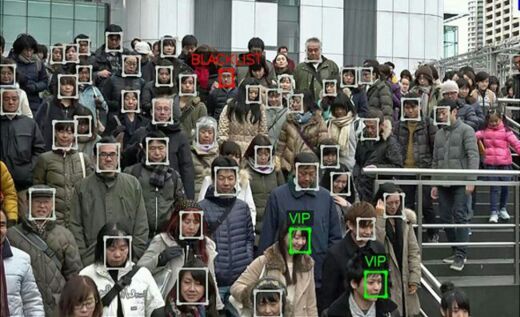

Across the United States, artificial intelligence is transforming surveillance systems, raising a lot of concerns about privacy and civil liberties. In 2026, experts warn that AI-powered camera networks are expanding faster than laws meant to regulate them. While these systems are often presented as tools for safety, critics argue they are creating a large-scale surveillance infrastructure without meaningful limits set in place for them.
AI takes surveillance further
Recent developments in artificial intelligence have made these systems significantly more powerful. Instead of simply recording data, AI can now analyze and connect it across large databases. This allows authorities to quickly identify vehicles and track movements in real time.
Private companies play a major role in this expansion by providing both the technology and access to large data systems. These camera networks often store information in cloud-based databases, where it can be searched and shared between different agencies.
Although these tools are promoted as effective for fighting crime, there is limited research proving they reduce violent crime rates. Some studies suggest they help solve specific cases, such as car theft, but their overall impact remains unclear.
A growing web of data
One of the biggest concerns is how much data is being collected and how it is used. These systems create a large network of location tracking, often without people being aware. Once collected, the data can be stored for long periods and shared across different organizations.
Unlike some regions with strict data protection laws, the United States does not have a single federal law that meaningfully limits how this type of data is collected, stored, or shared. This lack of regulation means that surveillance data can circulate around with the wrong type of people as well.
Experts warn that systems originally designed for traffic monitoring or crime prevention can easily be repurposed for crime or something even worse. A shift in policy or enforcement priorities could allow the same tools to be used for broader monitoring of the public.

Civil liberties at risk
Civil rights groups have raised concerns about how these surveillance systems might be used. There are fears that they could target certain communities, monitor protests, or discourage people from exercising their rights such as protesting.
There have already been examples of data being shared with federal agencies for immigration enforcement. Surveillance tools have also been used during protests, raising concerns about freedom of expression. In some cases, data has even been used in sensitive investigations, increasing worries about how far this technology can reach.
Experts emphasize that without clear safeguards, surveillance systems could be used in ways that go beyond their original purpose. This raises important questions about the ethical use of this.
Push for regulation and resistance
In response to these concerns, some states are beginning to propose laws to regulate surveillance technology. These efforts aim to limit how data can be collected and used, especially in sensitive situations such as healthcare access.
At the same time, grassroots movements are working to raise awareness about the spread of surveillance systems. These groups are mapping camera networks and encouraging communities to demand greater transparency and control.
Balancing safety and freedom
The rise of AI-powered surveillance highlights the challenge of balancing security with privacy. While these systems can help law enforcement respond more quickly, they also create risks when used without proper limits and laws.
As surveillance technology continues to expand, the need for clear laws and ethical guidelines to follow becomes ever more urgent. The decisions made now will shape how this technology is used in the future and how individual freedoms are protected.
Stay in the loop with exclusive news, stories, and insights—delivered straight to your inbox. No fluff, just real content that matters. Sign up today!