


The sizzle of plant-based burgers in Canadian homes masks a quiet revolution in our food systems. Behind the marketing of sustainable, healthy alternatives lies a complex web of investments led by one of the world’s most influential figures: Bill Gates.
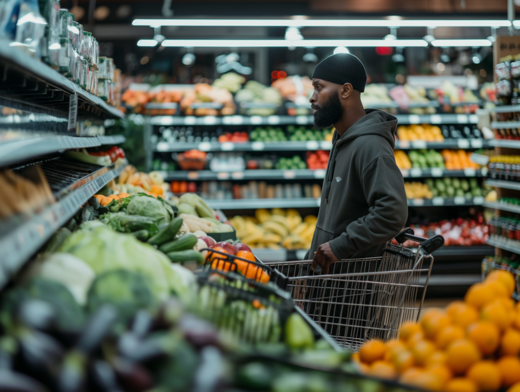
As we navigate increasingly crowded supermarket aisles filled with these products, questions emerge about what we’re truly consuming.
Beyond Meat and Impossible Foods, two Gates-backed companies, promise environmental benefits through their plant-based alternatives. Yet the laboratory-like precision of their manufacturing processes raises concerns. The metallic aftertaste of an Impossible Burger comes from genetically engineered yeast producing heme iron, a substance absent from traditional plant foods. Meanwhile, the excessive sodium levels in these products create a lingering thirst that hints at their ultra-processed nature, despite their green packaging.
The crisp exterior of an Apeel-coated apple gleams unnaturally under fluorescent lights. This invisible coating, designed to extend shelf life and reduce food waste, enters our bodies with limited independent study on its long-term effects. What chemical interactions might occur within our digestive systems over years of consumption? The silence from regulatory bodies on these questions is deafening.
“As we navigate increasingly crowded supermarket aisles filled with these products, questions emerge about what we’re truly consuming.”
In dairy aisles across Canada, Savor’s fake butter products spread smoothly on toast, but the trans fats they contain have been linked to heart disease and dementia. The artificiality of these products contrasts sharply with the simple, wholesome image projected in their marketing materials.
Even more futuristic is Eat Just’s lab-grown meat, developed in sterile bioreactors rather than farms. The sight of chicken cells multiplying in petri dishes represents a radical departure from traditional agriculture. While marketed as ethical and sustainable, the long-term health implications remain largely unknown, as does the wisdom of divorcing food production entirely from natural ecosystems.

Perhaps most concerning is Arkea Bio’s cattle vaccine, designed to reduce methane emissions by altering animals’ digestive processes. The image of technicians injecting cows with substances to modify their biology raises profound questions about our relationship with nature and the potential unintended consequences of such interventions.
These innovations align closely with the UN’s Agenda 2030 Sustainable Development Goals, which Bill Gates actively promotes through his foundation. The connection between these technological solutions and global sustainability objectives seems logical at first glance. However, the implementation reveals troubling power dynamics.
“As these products populate Canadian shelves, we must remain vigilant consumers.”
In rural communities worldwide, farmers report feeling pressured to adopt these technologies. Civil society organizations and farmer groups are increasingly pushing back, advocating for food sovereignty and agroecological approaches that respect traditional knowledge and biodiversity.
The tension between technological innovation and traditional food systems represents a battle for control over what enters our bodies and who makes those decisions. As these products populate Canadian shelves, we must remain vigilant consumers, questioning the broader implications of supporting a food system increasingly dominated by tech investments.
Our responsibility extends beyond personal health choices to the kind of food future we want to create. Will we embrace a vision of food as a technological product to be engineered and patented, or one that honours cultural traditions, ecological wisdom, and democratic control over what we eat? The answer will shape our communities for generations to come.
Stay in the loop with exclusive news, stories, and insights—delivered straight to your inbox. No fluff, just real content that matters. Sign up today!