


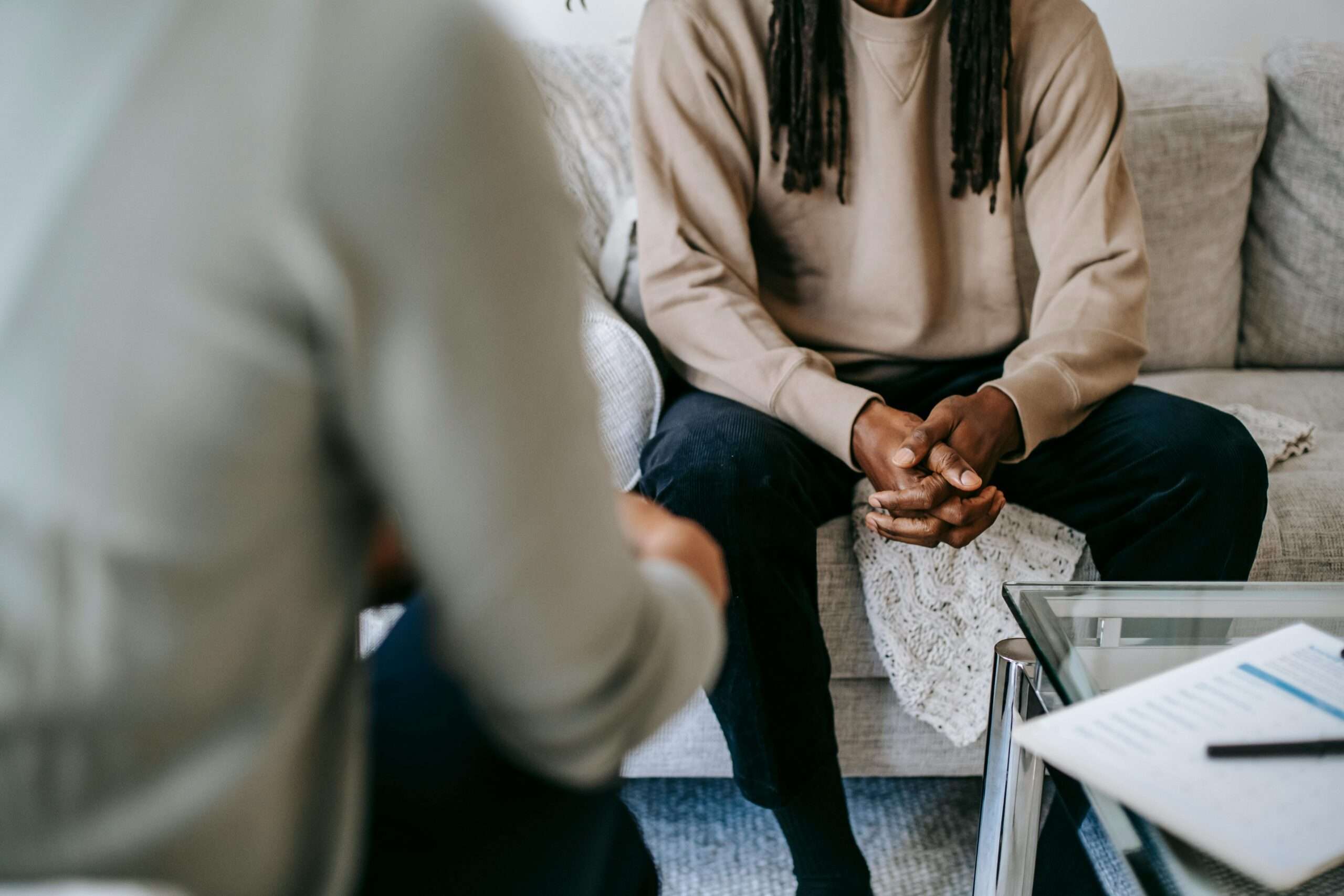

The scene plays out; the angry man, the frightened woman, the silent children. It’s a narrative so deeply embedded in our collective consciousness that we rarely question its validity, but what if I told you this script is incomplete? What if the leading characters sometimes switch roles?
I have witnessed how our preconceived notions about domestic violence have created invisible barriers to healing. The recent release of “The Routledge Handbook of Men’s Victimisations in Intimate Relationships” has validated what many of us in community work have known for years but struggled to articulate: men are not only perpetrators, but often victims themselves.
Let’s sit with that for a moment.
It’s uncomfortable, isn’t it?
That discomfort is precisely why we need this conversation.
The research is staggering. In Canada, current intimate partner violence rates are actually higher among men (2.9%) than women (1.7%). Globally, men represent 25-33% of victims across countries including: Australia, the UK, France, Portugal, and South Korea. Perhaps most startling is that nearly half of all domestic violence is mutual, where both partners engage in abusive behaviour.

For African/Caribbean communities, these statistics carry particular weight. The cultural expectations of Black masculinity, the “strong Black man” who remains stoic in the face of adversity, creates a perfect storm of silence. When I spoke with a Jamaican/Canadian survivor last month, his words still echo in my mind, “I couldn’t tell anyone. How would it sound? A big guy like me, afraid of his wife? They would laugh me out of the community center.”
What I want to ensure is recognized is that I am not shifting attention away from female victims. I know the reality of gender-based violence against women remains devastating and prevalent. Rather, this is about expanding our understanding of violence as a human issue that transcends gender boundaries.
The most compelling evidence comes from research on lesbian couples, who report higher rates of intimate partner violence (44%) than heterosexual women (35%). If male aggression were the sole driver of domestic violence, these numbers wouldn’t exist. Violence, it turns out, is more about: power dynamics, learned behaviours, and broken patterns than inherent gender traits.
So where do we go from here? As a community, we must create spaces where all survivors feel safe coming forward. This means training our: community leaders, healthcare providers, and law enforcement to recognize the signs of abuse regardless of gender. It means challenging the harmful stereotypes that prevent men from seeking help. Most importantly, it means acknowledging that healing begins when we see the full humanity in each other, not just the roles we’ve been assigned.
The movie scene is changing. The narrative is expanding, and in that expansion, there is hope for a future where all victims, regardless of gender, can find the support and validation they deserve.
Stay in the loop with exclusive news, stories, and insights—delivered straight to your inbox. No fluff, just real content that matters. Sign up today!