



Author: Adrian Reece
Canada is facing one of its coldest winters in years. The last time temperatures dipped this severely was in 2019. Now, with Ontario once again gripped by extreme cold, many residents, especially in Toronto, are being forced to re-adjust to conditions they haven’t faced at this scale since before the pandemic.
Canadians are used to winter, but the shift to remote work during the COVID years changed how many people live and move through the city. With fewer daily commutes, the return to full-scale winter travel feels jarring. A recent snowstorm dropped more than 20 inches of snow and contributed to over 200 car accidents in a single day. Toronto has officially returned to full winter mode.
Long-time residents still remember the devastating ice storm that once paralyzed the city. With similar flash-freezing conditions now in play, the risk of exploding trees is back, when moisture inside trunks freezes and expands, causing branches and entire trees to split. That creates serious hazards for both vehicles and pedestrians.
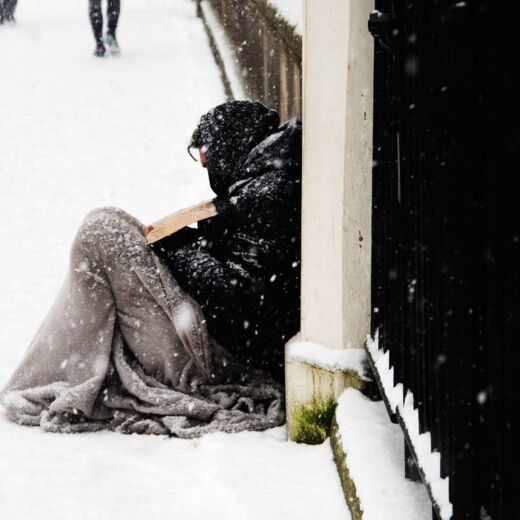
The greatest danger however is not to commuters. It is to people with nowhere to go.
The city’s unhoused population is particularly vulnerable to extreme cold. Prolonged exposure can be fatal. In Toronto, people experiencing homelessness account for a disproportionate share of hypothermia-related deaths and injuries. Early 2026 data already suggests a troubling rise in weather-related fatalities, driven by multiple factors, including harsher conditions and limited shelter capacity.
In 2024, the federal and municipal governments attempted to expand shelter spaces for vulnerable populations. With Toronto’s rapidly growing population and a worsening housing crisis, the need continues to outpace resources. Outreach teams still work daily to connect with people living outside and offer support, but the scale of the crisis demands more sustained investment.

There were once major national programs designed to support people during extreme conditions, both for housing and emergency response. Many of those supports were cut under previous administrations. While responses today are marginally stronger, gaps remain. Entire streets still go unplowed for hours or days, making it difficult for people to reach work, food, or medical care.
We won’t have full data for 2026 until the year ends, but waiting for statistics cannot be an excuse for inaction. With deaths already rising, governments must respond now (urgently and humanely) to protect people from conditions that can kill within hours.
Historically, institutions like Toronto Community Housing played a central role in providing shelter, food, and medical access. Today, homelessness is visible across downtown and beyond. Thousands of people walk past those living outside every day on their way to work, or social events. It’s seen, but often not truly acknowledged.
As of October 2024, more than 15,000 people were experiencing homelessness in Toronto. That number doubled from roughly 7,000 in April 2021. The surge reflects a city under economic strain. Housing costs, stagnant wages, and systemic barriers have pushed more people out of stability and into survival mode.
The housing crisis did not just lead to homelessness, it magnified it, and winter, in Canada, makes that crisis impossible to ignore.
Stay in the loop with exclusive news, stories, and insights—delivered straight to your inbox. No fluff, just real content that matters. Sign up today!