


When over 400 international delegates arrived at Victoria Park in Kingstown from October 2nd to 5th, 2025 for the second annual Cannabliss SVG 2025, they came to witness an exciting shift in: healthcare, agriculture, tourism, and economic development in Saint Vincent and the Grenadines, marking a significant moment for the Caribbean, which hasn’t been seen in decades.
The numbers and conversations would have been unimaginable to our grandparents. Some sources have projected that the Caribbean medical cannabis market will reach US$303.60 million in 2024 and is expected to reach US$326.20 million by 2029. However, here’s what those figures really mean: jobs for our relatives back home, research opportunities at Caribbean universities, and, most importantly, accessible treatment options for chronic medical conditions that have long plagued our communities, like: chronic pain conditions, cancer-related issues, glaucoma, arthritis, and agitation of Alzheimer’s disease.
Dr. Jerrol Thompson, CEO of Saint Vincent’s Medicinal Cannabis Authority, puts it plainly: “Our industry has already attracted more than EC$60 million in private investment, created hundreds of jobs, and positioned SVG as a global leader in medicinal cannabis.” That’s Caribbean innovation, rooted in our soil, governed by our laws, and benefiting our people.
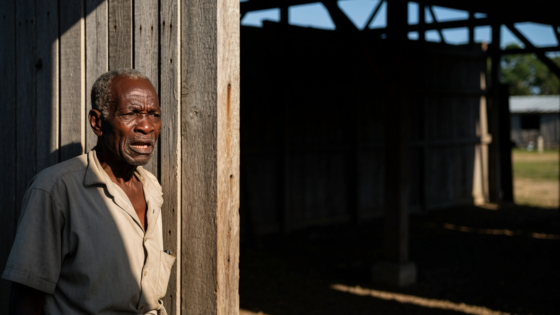
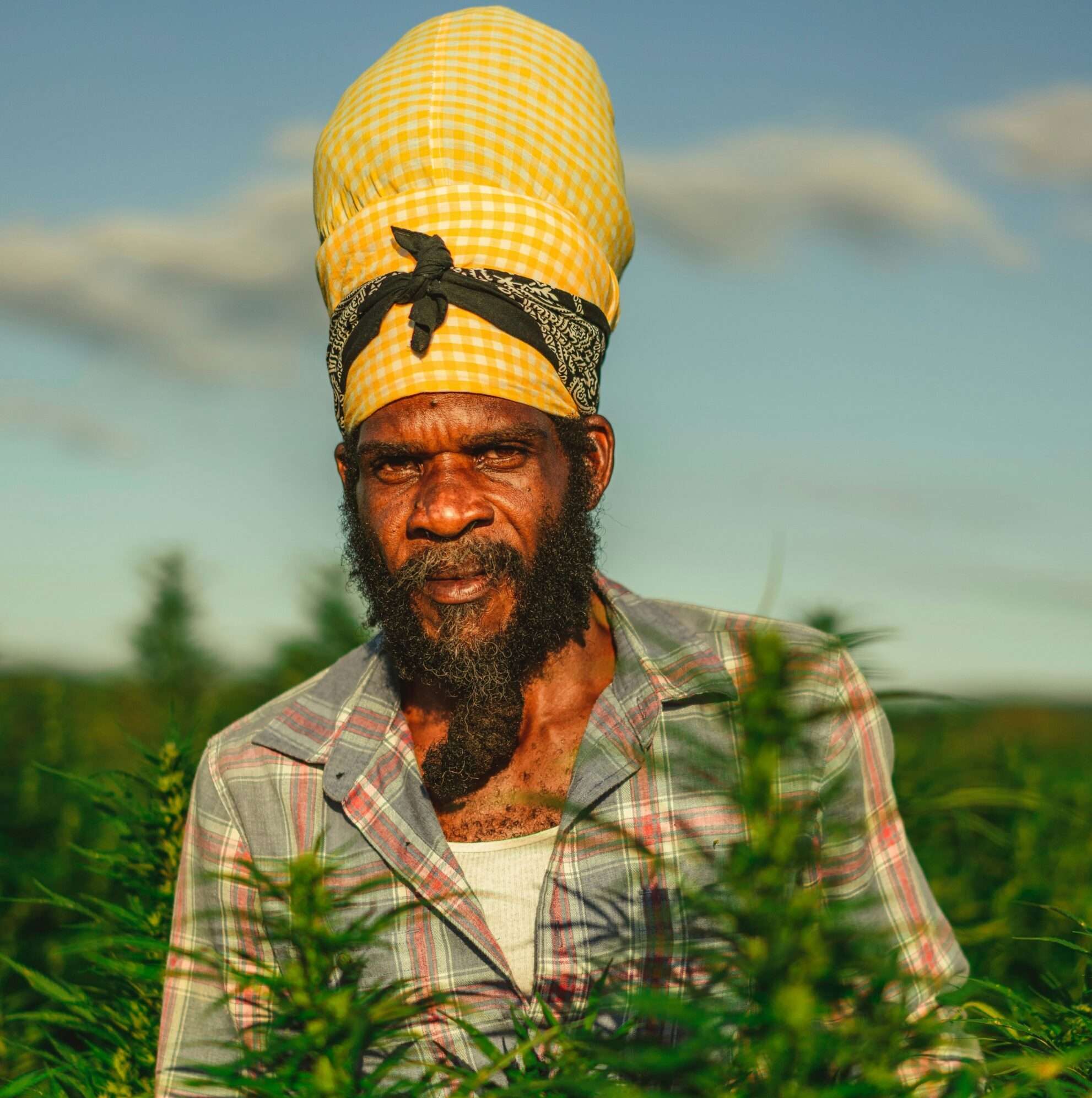
What makes Cannabliss stand out from other trade shows is its intentional blend of: culture, science, and social justice. The festival features a Traditional Cultivators’ Village where Rastafari farmers, who have understood cannabis’s medicinal properties for generations, from the learnings dating back to ganja through the transatlantic slave trade and Indian indentured servants, showcase their expertise alongside pharmaceutical researchers. It’s a long-overdue recognition: the same plant that led to discriminatory enforcement and broken families is now being celebrated as a cornerstone of public health strategy, opening up opportunities for transformative justice in the Caribbean region.
Make no mistake, the foundations of this shift are about healthcare transformation in the region. The global medical cannabis market is projected to grow from USD 24.9 billion in 2024 to an expected USD 159.2 billion by 2033—a staggering 22.9% compound annual growth rate. Caribbean nations are defining their roles in this revolution as: medical patients, active economic interest holders, and aspiring to be major contributors.

Jamaica, which issued 166 cannabis licenses by December 2024, has built a medical cannabis market valued at US$37.44 million (2023), projected to reach US$73.7 million by 2028. Nearly every English-speaking Caribbean nation has now decriminalized, or legalized medical cannabis. Saint Vincent and the Grenadines was a pioneer in the region, creating what Prime Minister Ralph Gonsalves calls the world’s most comprehensive laws for medicinal cannabis.
For the Canadian Caribbean diaspora, this matters. Our families back home experience disproportionately from: chronic pain, cancer-related symptoms, and mental health conditions, precisely the areas where medical cannabis shows the most promise. A healthcare system strengthened by a thriving medical cannabis industry means better treatment options, tapping into our cultural medicinal knowledge, more robust research infrastructure, and reduced dependency on expensive pharmaceutical imports.
The Latin America and Caribbean hemp-derived CBD market alone is projected to surge to US $524.39 million by 2030. That’s an 18.4% annual growth rate, creating opportunities across the value chain back home: cultivation, processing, research, distribution, and medical training.
Challenges remain. International banking restrictions hamper investment. Traditional cultivators continue to struggle with transitioning into the formal economy. Export markets require compliance with stringent European standards. These insurmountable obstacles continue to be the growing pains of an industry finding its footing.
At Cannabliss, the convergence of traditional knowledge, cutting-edge research, cultural celebration, and economic development represents something larger; a movement. The Caribbean is asserting its right to define its own path forward, leveraging its natural advantages (a perfect climate and generations of cultivation expertise) while building the regulatory frameworks and research institutions that command global respect.
Agriculture Minister Saboto Caesar announced that Cannabliss will become an annual fixture, joining Carnival and other cultural touchstones on the regional calendar. That commitment signals confidence: this is a strategic pillar of Caribbean economic, and healthcare development.
For those of us in the diaspora, watching from: Toronto, Montreal, Vancouver, or London (UK), this green revolution offers something precious: proof that innovation, tradition, and progress can coexist in Caribbean hands. There is no question that medical cannabis will transform Caribbean healthcare. It already has. The question is whether we’ll support it, invest in it, and ensure the profits stay in Caribbean pockets.
Stay in the loop with exclusive news, stories, and insights—delivered straight to your inbox. No fluff, just real content that matters. Sign up today!