


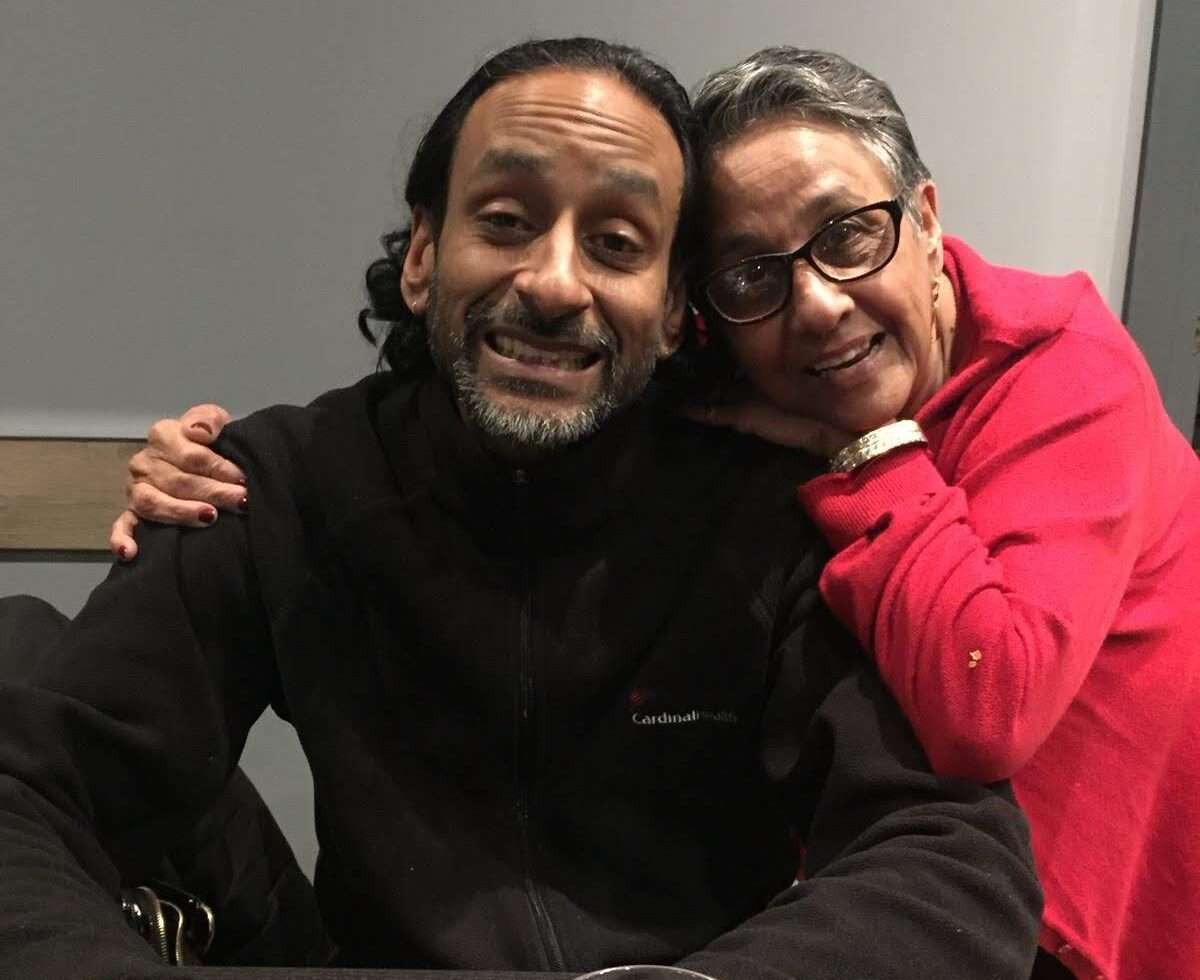

This article is dedicated to the loving memory of my mother, Chandra Diptee Seurattan.
It’s strange how a secret can feel heavier than a burden, and how its release can lead to a connection you never thought possible. I remember the first time I smoked a joint. I was 17, with friends in the park behind their house, giggling more than inhaling. It was a foolish, clumsy night, but it began a new part of my life, a part I kept hidden from my mother, Chandra.
Chandra was a student who had immigrated to Toronto from Trinidad and Tobago, a woman with high morals and strict values. For her, “ganja” was a dirty word, associated with the worst kind of people. It was a line in the sand, and I knew I couldn’t cross it in her eyes. As I grew into my early twenties, my cannabis use became more regular. I built a career, first as a corporate trainer, and later as an entrepreneur, a cannabis journalist, and now a director at a consultation firm. The secrecy, however, never went away. It created a chasm between us. I’d be at her house for dinner, and she’d make a passing comment about “Those people who smoke,” and my stomach would clench. The unspoken accusation hung in the air, a ghost at the dinner table.
In 2018, everything changed. Canada legalized recreational cannabis. It was a seismic shift, but in my family, we tiptoed around it like a landmine. As a grown man with a family of quickly growing twins, and now a cannabis professional, I was tired of the lies and the shame. I wanted her to know the real me, not the carefully constructed version I’d presented for years. The conversation didn’t happen in a single, dramatic moment. It was a slow, deliberate process. I started by leaving copies of my articles on her kitchen table when I visited. I was planting seeds, hoping they would one day grow.
The real breakthrough came a few months later. My mother had been complaining about her chronic wrist issues from her long career at the bank. She’d tried everything; from physiotherapy to painkillers, but nothing seemed to work. One evening, after she’d had a particularly bad day, she called me, her voice tight with pain. That’s when I saw my opportunity.

“Bird (my pet name for her),” I said gently, “I know you’re hurting. I’ve been reading a lot about how cannabis can help with chronic pain. It’s not like the stuff from back in the day; they have creams and oils you don’t even have to smoke.”
Silence. I thought I had ruined everything.
“Sean,” she said, her voice softer now. “You actually think it will help?”
The moment of truth. “Yes, Bird. I do. But everyone is different. The worst that could happen is that it doesn’t work for you.”
That night, we talked for hours and even more over the next few days. I explained my business, my journalism, and the health benefits of cannabis. She was still skeptical, but she was listening. A few more weeks later, she asked me to get her a cannabis-infused cream for her wrists. I was shocked and thrilled. The next morning after trying it, she called me, her voice full of wonder. “Son,” she said, “the pain is not gone, but it’s much better. I can fully open my hands!”
That cream was the first step, and it led to an incredible bond. Over time, her perspective shifted completely. She started reading every one of my articles, following my business, and asking me real questions, not just accusatory ones. The ultimate show of her pride was the scrapbook she created, a beautiful collection of my articles and business milestones. It was her way of saying she didn’t just accept me; she was proud of me.
My mother passed away recently, but in the final years of her life, our relationship was closer than ever, built on a foundation of honesty and mutual respect. The chasm is gone, and in its place is a bridge, built one honest conversation at a time. That bridge connected a Trinidadian mother and her Canadian son, who finally found a way to understand each other. Her scrapbook sits on my desk now, a permanent reminder of her incredible journey to acceptance, and the love she had for her son.
Stay in the loop with exclusive news, stories, and insights—delivered straight to your inbox. No fluff, just real content that matters. Sign up today!