


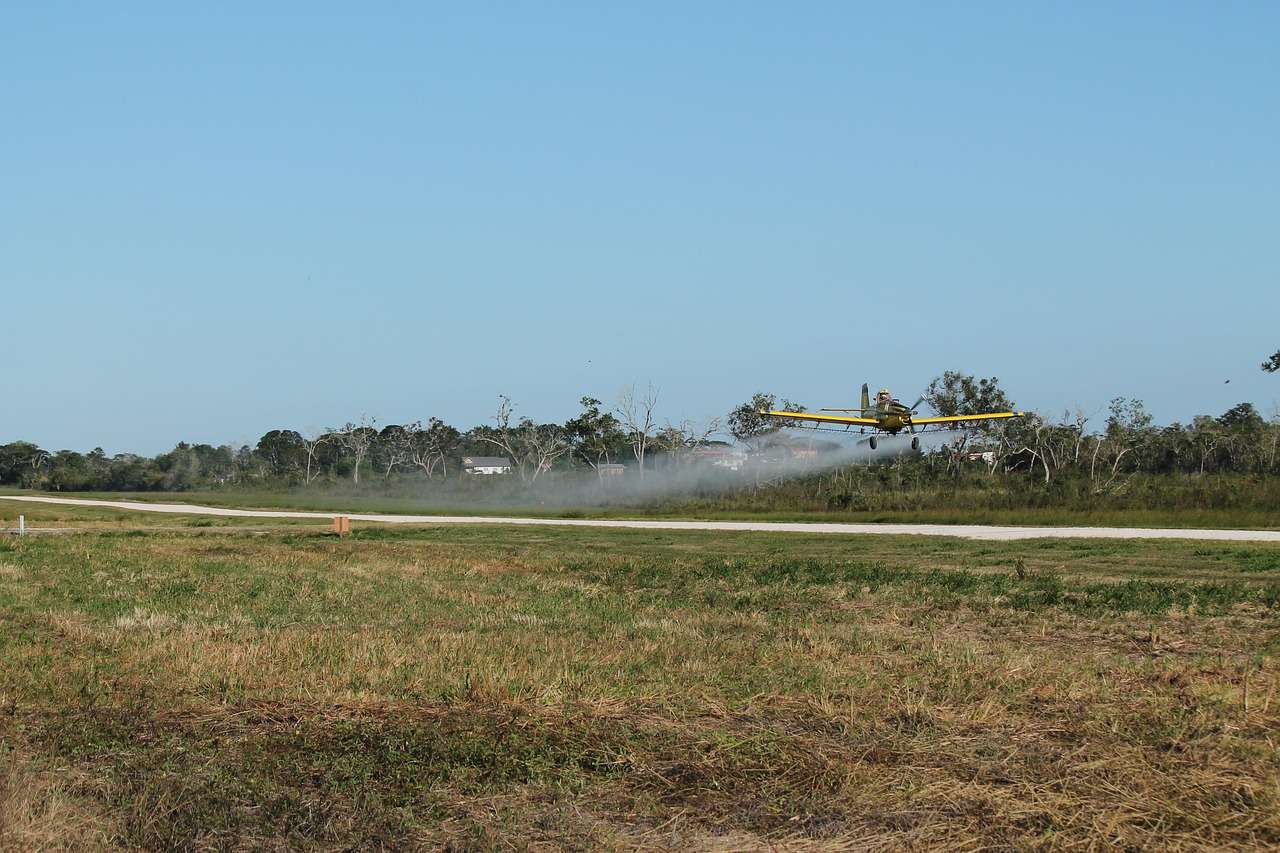

Every year in Canada, nearly 50 million kilograms of glyphosate are sprayed on our crops, forests, and Crown lands. Farmers use it, forestry companies rely on it, and for decades, regulators have reassured us that it’s “Safe when used as directed.” Yet, if that were the whole story, we wouldn’t still be debating whether the world’s most popular weed killer is: harming our health, contaminating our food supply, or threatening Indigenous lands.
So, here is the question no one wants to ask out loud; what if glyphosate has become too big to fail?
Glyphosate works by disrupting a plant enzyme essential for growth. It was introduced in 1974 under the trade name Roundup and became the backbone of modern industrial farming.
Since the World Health Organization’s International Agency for Research on Cancer labeled glyphosate “probably carcinogenic” in 2015, the debate has shifted. Some studies connect glyphosate exposure to cancer, liver damage, and even neurodevelopmental issues in children. Others, including Canada’s pest management regulators, argue the levels used in agriculture are too low to cause concern.
Caught in the middle are communities: farmers who depend on it, families who unknowingly consume it, and First Nations whose lands are directly sprayed. Science is rarely black and white, and glyphosate is the perfect example of that murkiness.
Short-term exposure often means respiratory irritation, skin rashes, nausea, or dizziness. Cases of deliberate ingestion, tragically, have led to fatalities in some countries. Long-term exposure raises thornier concerns. Researchers have reported links to liver inflammation, metabolic disorders, and possible neurotoxicity. Early findings suggest glyphosate can cross the blood-brain barrier, increasing risks of developmental disorders though officials counter the evidence is still inconclusive.
Widespread detection tells its own story; glyphosate has been found in humans: urine, blood, and even breast milk, proof that it’s present in our bodies, whether regulators accept the health risks or not. Here in Ontario, forests in the North are routinely sprayed, raising alarm for Indigenous communities who say it threatens wildlife habitats, traditional plants, and their sovereignty over land use.
Why do scientists, governments, and advocacy groups look at the same data and walk away with different conclusions? Well, because this is about: politics, economics, and public trust. Glyphosate holds a $10+ billion global market. Its removal would: drive up farming costs, reshape agriculture, and require massive new investments in alternatives like: AI weeding robots, natural sprays, or regenerative farming practices.
For regulators under pressure to “balance” public health with agricultural competitiveness, siding with industry often feels easier than navigating uncertainty.

Let’s take the time to name the emotional truth here; when science is uncertain, communities feel like human test subjects, and Canadians aren’t comfortable being the control group in someone else’s experiment. The deeper issue we face is trust:
- Communities deserve to know what chemicals are sprayed on their air, water, and food.
- Indigenous nations deserve a say in land management decisions that affect their hunting grounds and traditional medicine plants.
- Consumers deserve honest science, not studies funded and filtered through chemical corporations.
The debate over glyphosate is less about weeds and more about democracy. Canada doesn’t need simplistic answers; it needs courageous transparency. That means updating risk assessments with current science, not old industry-funded studies. It means exploring safer alternatives with real investment, not dismissing them as impractical, and it means expanding regulations beyond “Acceptable daily intake” to reflect cumulative exposure and vulnerable populations like children and pregnant women.
The final piece lies with the public. What do we really know about glyphosate, and what is the government keeping from us? Until that question is answered with full honesty, public trust will keep eroding.
We need the truth. If glyphosate is truly safe, let transparent, independent testing show it. If it isn’t, let’s invest now in alternatives before communities pay the price.
What do you think? Should Ontario and Canada continue to rely on glyphosate, or should governments open the door to safer, more transparent solutions? What’s the piece of this story you think isn’t being told?
Stay in the loop with exclusive news, stories, and insights—delivered straight to your inbox. No fluff, just real content that matters. Sign up today!