


I was 44 when I met Mansa Musa. Not in the flesh, of course, but through a 3-minute and 55-second YouTube video that flipped a switch in me I didn’t even know was off. His name had never once appeared in my textbooks. Not during elementary school. Not in high school. Not even during Black History Month in all my years of Canadian education.
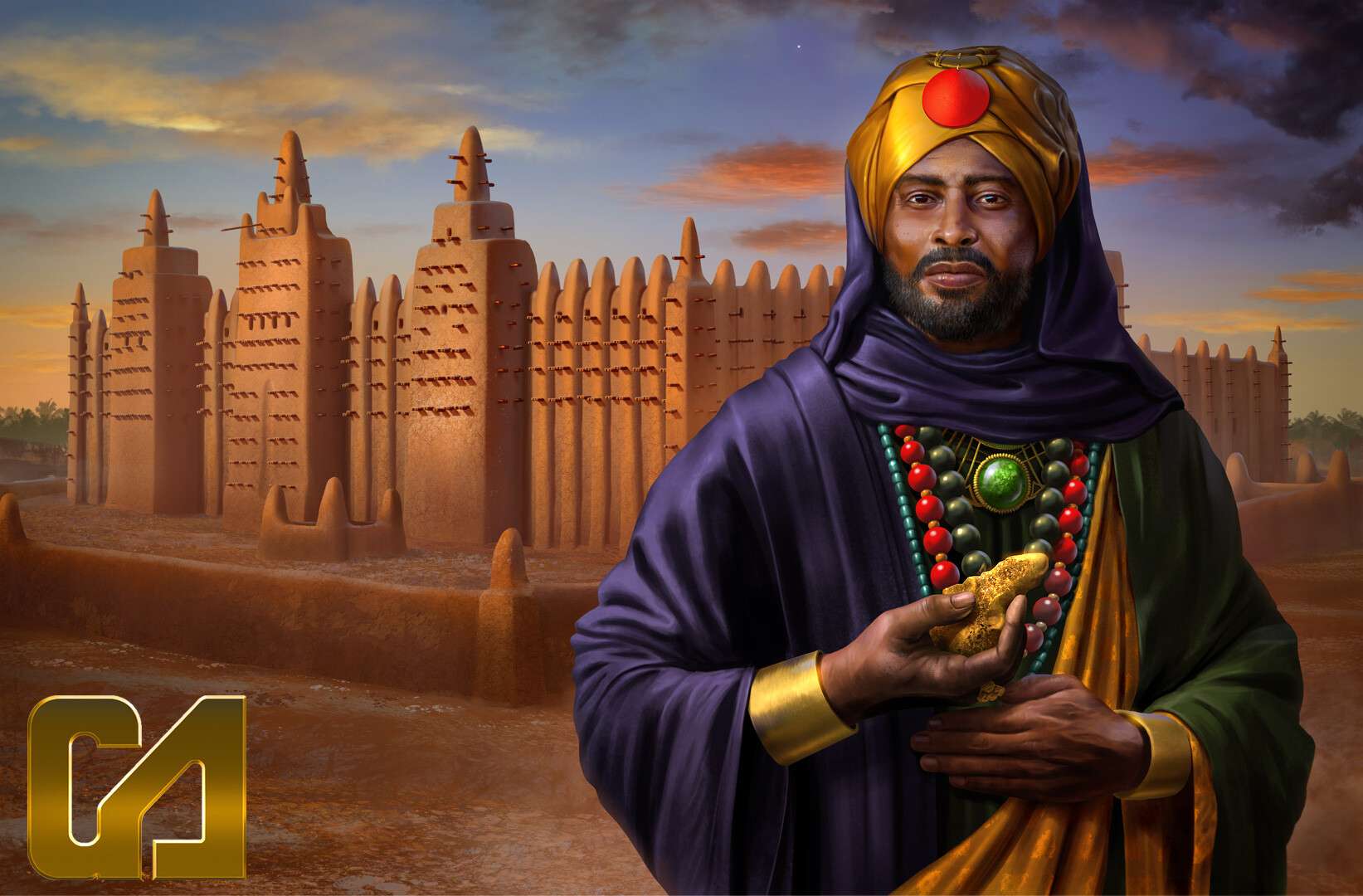
Yet, Mansa Musa is arguably the wealthiest person in history. This 14th-century West African emperor ruled over one of the most prosperous and sophisticated empires the world has ever seen. A man whose generosity on his 1324 pilgrimage to Mecca caused the price of gold to plummet. A devout Muslim, a patron of education, and the builder of the legendary Sankore University in Timbuktu.
How had I never heard of him?
I’ll never forget where I was when I finally did. I attended a Transitional Year Program (TYP) seminar on financial literacy at the University of Toronto. TYP is designed to center the voices and lived experiences of: Black, Indigenous, and marginalized students. Our facilitator played a short video titled “Mansa Musa: The Richest Man Who Ever Lived.” (https://youtu.be/O3YJMaL55TM?si=fCa4j5Ow0HY6DdZ6)
By the end of it, I was crying. Not because the story was sad, but because it was mine, and I’d been robbed of it. TYP didn’t just teach financial literacy that day; it gifted me a legacy. In less than four minutes, the seminar offered something no institution ever had: cultural relevance, representation, and truth.
Why didn’t I grow up knowing this?
Why did I spend decades thinking greatness skipped over my people?
This isn’t just about one figure. It’s about what I now understand as cultural amnesia, the intentional erasure of Black brilliance from our collective consciousness. When you never see yourself in stories of excellence, you internalize the belief that you don’t come from it. When you finally do, it’s like tasting the truth after a lifetime of crumbs.

That video made me grieve for every Black and Caribbean child currently sitting in a classroom being fed a flattened version of history. One that begins with slavery and ends with Martin Luther King. We are so much more than our suffering.
Imagine if I’d learned about Mansa Musa in grade five. Imagine what it would’ve meant to a little girl like me, a dreamer without a blueprint for: Black power, leadership, or prosperity. What if, instead of studying colonizers, we were taught about the empires of: Kush, Ghana, Mali, and Songhai? What if every Caribbean classroom placed those alongside Greece and Rome?
The possibilities are endless.
That night, I showed the video to my children. My youngest turned to me and asked, “Wait. We were kings?” I said, “Yes, boo. We still are.”
This is why culturally responsive education matters. This is why representation isn’t just nice, it’s necessary. Someone reading this still hasn’t met Mansa Musa, and they need to. Not just to know history, but to imagine possibilities.
We don’t need this information tucked into February assemblies. We need it embedded into the curriculum: in social studies, geography, art, and economics. The exclusion of Black excellence is a design, and our resistance lies in remembrance.
My academic comeback began at 44 through a decolonized program rooted in access and truth. Through TYP, I’ve been piecing together the fragments of a self that a formal education never offered me.
So, educators, add Mansa Musa to your lesson plans. To parents: show your kids that video tonight. To late bloomers like me: it’s never too late to learn who you are, and to Mansa Musa, thank you for showing me that my roots are regal, my story is powerful, and my Blackness is abundant.
Knowledge is power. I intend to pass it on.
Stay in the loop with exclusive news, stories, and insights—delivered straight to your inbox. No fluff, just real content that matters. Sign up today!