


The snow falling on Toronto’s streets feels different today. Each flake seems to carry the weight of connection, of understanding, of responsibility. As Hurricane Melissa ravages Jamaica, leaving communities in distress and families disconnected, Toronto’s response has been immediate and deeply personal.
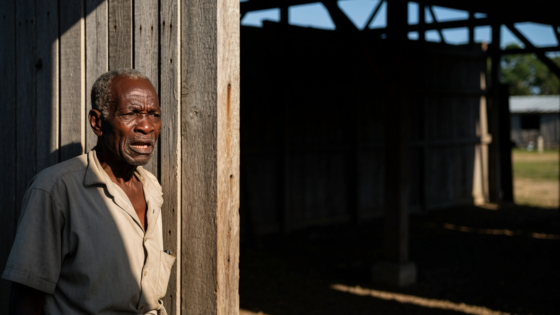
“The area of Jamaica where I was born has been decimated, and some of my family members are cut off from communication,” shares Councillor Michael Thompson, his voice carrying the raw edge of worry that so many Torontonians with Caribbean ties feel today. His words hang in the air, a reminder that disaster is never just about geography.
In a city where nearly seven percent of residents claim Jamaican heritage, the hurricane’s impact hits close to home. Mayor Olivia Chow captures this sentiment perfectly, “Toronto is home to one of the largest Jamaican diaspora communities in the world, and we stand with everyone affected.”
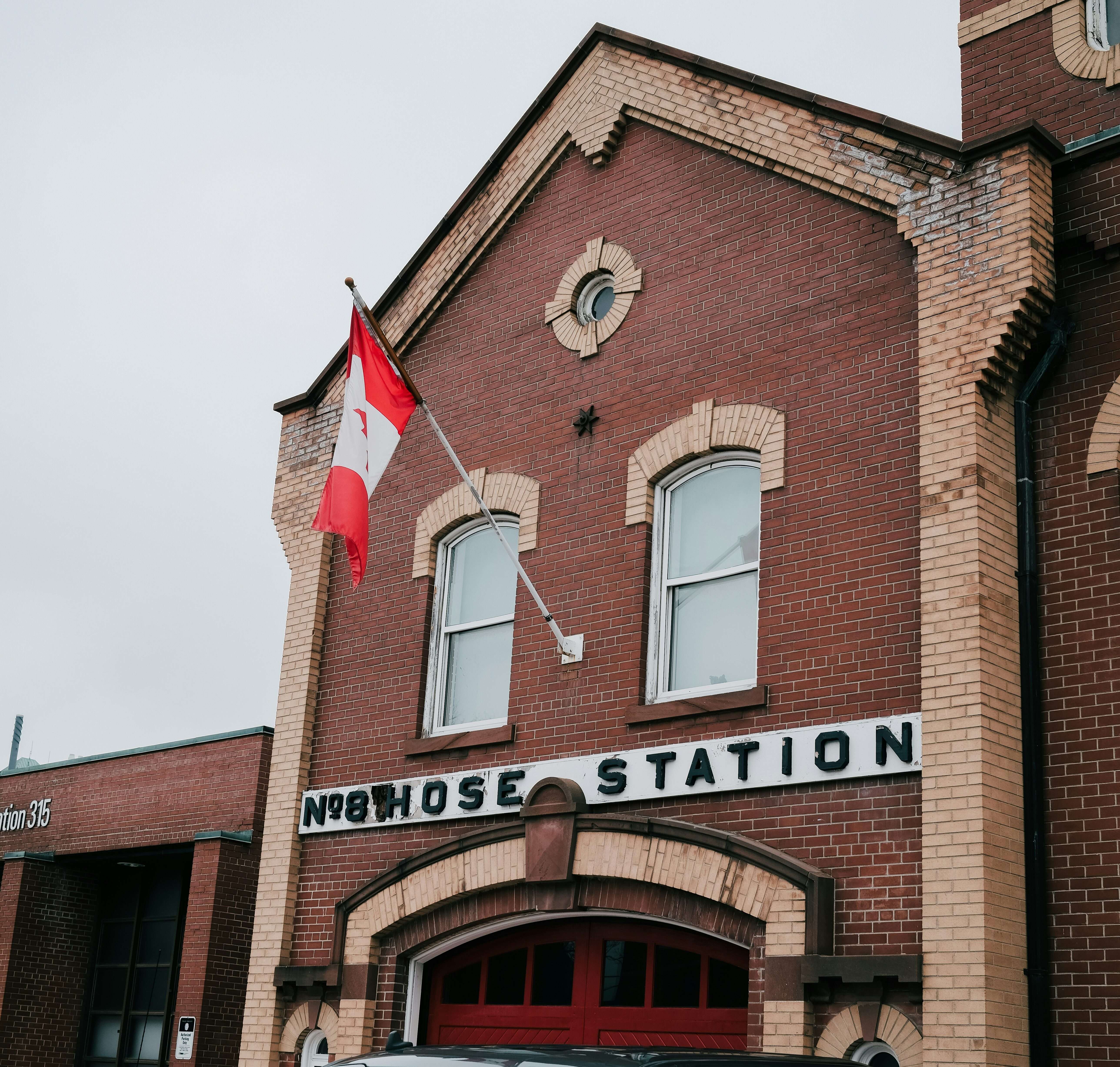
The response has been swift and structured. Twelve fire stations across Toronto have transformed into collection points, their familiar red doors now symbols of hope.
Fire Station 133 (1505 Lawrence Ave. W., North York, ON M6L 1A8)
Fire Station 142 (2753 Jane St., North York, ON M3N 2H6)
Fire Station 212 (8500 Sheppard Ave. E., Scarborough, ON M1B 5R4)
Fire Station 221 (2575 Eglinton Ave. E., Scarborough, ON M1K 2R8)
Fire Station 232 (1550 Midland Ave., Scarborough, ON M1P 3A6)
Fire Station 234 (40 Coronation Dr., Toronto, ON M1C 2R5)
Fire Station 242 (2733 Brimley Rd., Scarborough, ON M1V 1T4)
Fire Station 315 (132 Bellevue Ave., Toronto, ON M5T 2N9)
Fire Station 341 (555 Oakwood Ave., York, ON M6E 2X4)
Fire Station 411 (75 Toryork Dr., North York, ON M9L 1X9)
Fire Station 413 (1549 Albion Rd., Etobicoke, ON M9W 5T6)
Fire Station 442 (2015 Lawrence Ave. W., York, ON M9N 3V5)

The requested items tell a story of necessity: bottled water, canned goods, baby formula, hygiene supplies. Each item represents a fundamental human need that has been disrupted thousands of kilometers away.
What makes this effort remarkable is its community-rooted approach. Rather than a top-down government initiative, the city has partnered with the Jamaican Canadian Association, ensuring that aid reaches those most in need. It’s a model of diaspora-led support that acknowledges local expertise while leveraging municipal resources.
“The needs are urgent,” acknowledges Jamaica’s Consul-General Kurt Davis, his words a reminder that while the storm may have passed, the crisis has just begun. The road ahead is long, as David Betty, President of the Jamaican Canadian Association, emphasizes: “Recovery is a marathon, not a sprint.”
Even local businesses like Bedessee, a Scarborough company that imports Caribbean foods, are stepping up, sending massive amounts of non-perishable foods and hygiene products. “Together, we stand with Jamaica,” says Rayman Bedessee, his words echoing the sentiment of unity that defines this moment.
As Torontonians knock on fire station doors, arms full of supplies, they are reminding us that in times of crisis, community knows no borders.
Stay in the loop with exclusive news, stories, and insights—delivered straight to your inbox. No fluff, just real content that matters. Sign up today!