



BY STEVEN KASZAB
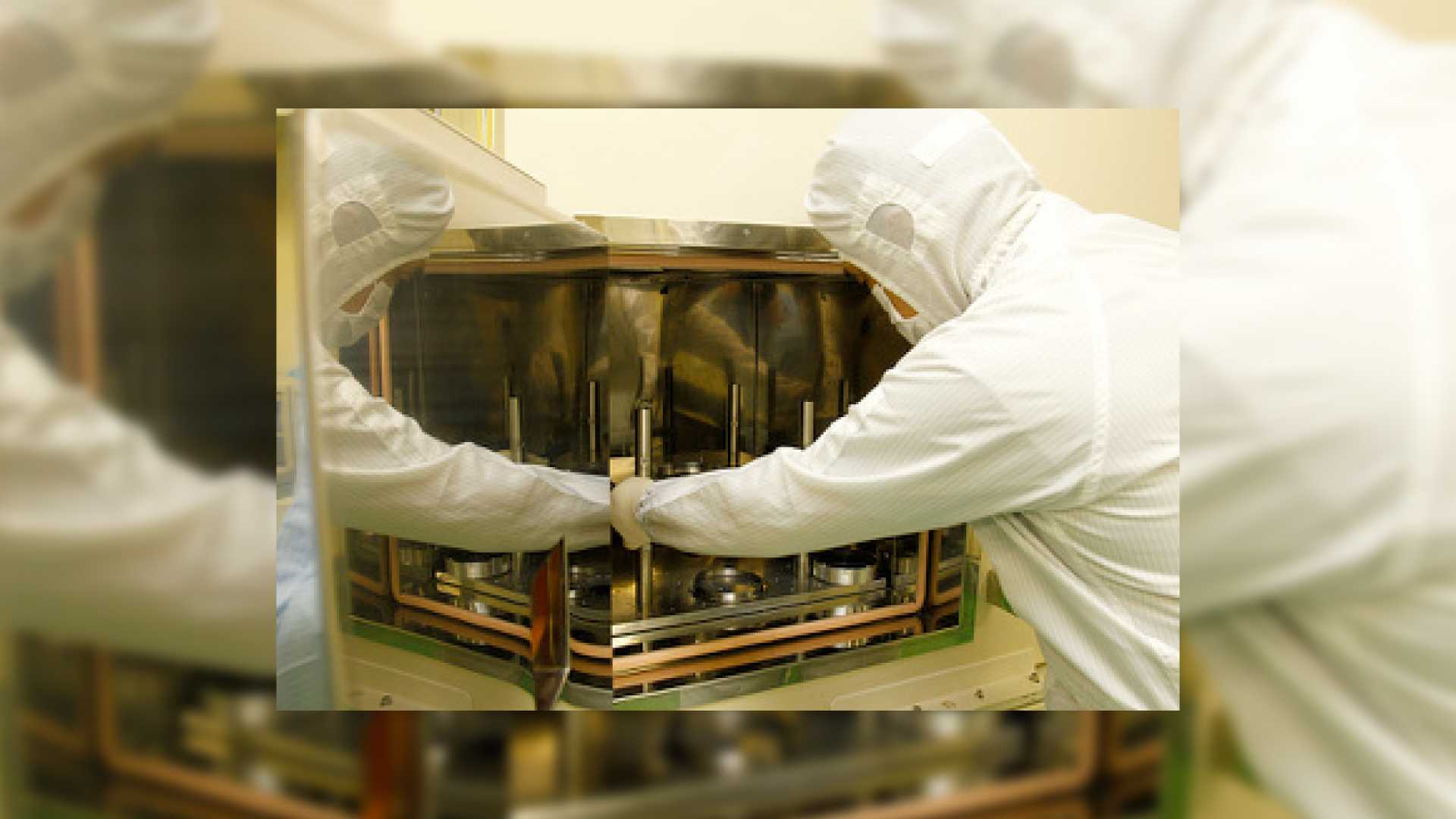
The Japanese Aerospace Exploration Agency allied with NASA and Japan’s Aeronautics and Space Administration have announced the world’s first wooden satellite will be launched into space this summer. With thousands of metal satellites floating around in space a concern for space safety has led to this ingenious test.
While many old, outdated and non-functioning satellites simply float about in space, many burn up when entering a planet’s atmosphere. The problem aerospace technologists are having is that there are so many satellites up there, the chance of one hitting an operational satellite is very possible. Also, interplanetary travel is becoming threatened by these floating disaster probes, so something needed to be done for the safety of astronauts and multi-million-dollar satellites.

A wooden satellite will burn up should it eventually enter a planet’s atmosphere. LignoSat, the wooden satellite will be made from wood from the magnolia tree. Further action has been made with regards to these dead floating satellites. There is the idea of placing small charges into them, causing an explosion that will disintegrate the satellites into much smaller parts. Many satellites are being fabricated using environmentally friendly materials that will dissolve over time. The magnolia tree’s composition has shown itself durable to the harsh vacuum of space, is highly workable, dimensionally stable, and has the strength to endure space instability.
The Aerospace Industry has injected a surprising 13 trillion dollars into the global market, often using artificial materials in their designs and projects. The introduction of a carbon form material is both exciting and practical. Artificial items in space will probably exist forever, but a carbon made item like LignoSat will initiate further use in the construction of space vehicles, encampment devices, and interstellar drones to name a few.
With hope this experiment will be successful, and it is leading the aerospace industry in an enviro-clinical direction, by making things intended for going into space environmentally feasible.
Stay in the loop with exclusive news, stories, and insights—delivered straight to your inbox. No fluff, just real content that matters. Sign up today!