



Ontario’s thaw-and-freeze winters make ice dams easy to miss, until they’re costing thousands in repairs.
It usually starts the same way.
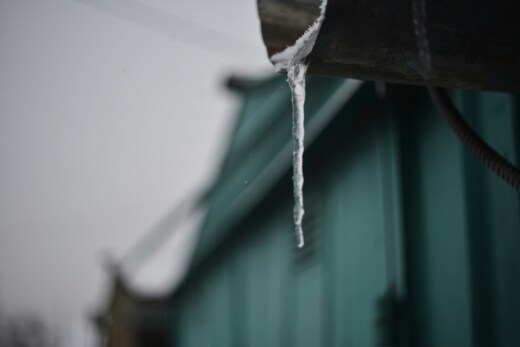
You’re enjoying one of those peculiar winter days, above zero, the sun peeking through, snow slowly melting off the roof. It feels like a little break. Then the temperature drops overnight. The next morning, you notice thick icicles hanging from the eaves. Maybe the gutters seem heavier than usual. Everything appears frozen in place.
That’s when the trouble begins. With the constant thaw-and-freeze cycles we have experienced this winter, ice damming has quietly returned to roofs across Ontario. While it may look harmless at first (almost picturesque) it’s one of the most destructive winter problems a homeowner can face if neglected.
So, what exactly is an ice dam?
An ice dam is precisely what it sounds like: a wall of ice forming along the edge of your roof. Snow accumulates on your roof. Warmer daytime temperatures, or heat escaping from inside your home, cause that snow to melt. The water flows down the roof toward the eaves, which are colder because they extend beyond the heated part of the house. When the water reaches that colder edge, it refreezes.
Repeat that process a few times (melt during the day, freeze at night) and suddenly you have a solid ridge of ice. That ridge blocks new meltwater from draining off the roof. With nowhere else to go, the water backs up under the shingles. Water, as we all know, always finds a way in.
Why ice dams really form
Many homeowners assume ice dams are simply caused by a cold winter. Ironically, they are often caused by heat. Warm air escaping into the attic, through poor insulation, unsealed light fixtures, vents, or attic hatches, warms the underside of the roof. This warmth melts the snow from below, even when it’s freezing outside. The meltwater flows downward, hits the colder eaves, refreezes, and the cycle repeats. In other words, ice dams often result from what’s happening inside your house, not just outside.
The damage you don’t see—until you do
Ice dams are not just an exterior problem. Once water backs up behind that ridge of ice, it can seep under shingles and into areas where it shouldn’t go; attics, insulation, ceilings, and walls. Homeowners often first notice yellow stains on the ceiling, peeling paint, or dripping water near exterior walls.
By the time that occurs, moisture might already be saturating insulation, decreasing its effectiveness, and gradually rotting wood framing and roof sheathing. If left long enough, it can cause mold growth and structural damage.
Outside, the weight of ice can tear gutters off the house, damage fascia boards, and pose serious safety risks when heavy chunks break loose and fall. What starts as a winter nuisance can quickly turn into thousands of dollars in repairs.

What to do when you see ice dams forming
If ice dams are already present, caution is critical. Removing snow from the lower portion of the roof using a roof rake can help reduce the amount of meltwater feeding the dam. Some homeowners use calcium chloride ice melt placed in fabric socks or pantyhose and laid across the ice to create channels for water to escape.
On milder days, gentle flowing warm water can help speed up melting, but aggressive techniques are risky. Hammers, chisels, and saws can harm shingles and weaken your roof.
The safest option is professional steam removal, which melts ice safely without damaging roofing materials. This is not a DIY weekend project. Roofs can be slippery, ice is unpredictable, and falling can be serious. Hiring a professional is the smart, and safer, choice.
The true solution is long-term
Ice damming is a recurring problem unless you address the root cause.
Proper attic insulation keeps heat where it belongs, inside your home. Sealing air leaks around vents, light fixtures, and chimneys prevent warm air from escaping upwards. Good attic ventilation helps maintain an even roof temperature, reducing melting and refreezing.
These improvements don’t just protect your roof; they lower heating bills and improve overall home comfort.
Ice damming is one of those winter problems that rarely resolve on their own. In fact, it usually worsens. Being proactive now can save you money, stress, and surprise repairs later. More importantly, it turns a recurring winter headache into a one-time fix.
In a season full of unpredictability, preventing ice dams on your home is something you can control, and your roof, your wallet, and your peace of mind will thank you for it.
Stay in the loop with exclusive news, stories, and insights—delivered straight to your inbox. No fluff, just real content that matters. Sign up today!