The scent of damp earth and broken timber hangs heavy in the air as residents of St Elizabeth and Westmoreland begin the painstaking work of rebuilding after Hurricane Melissa’s wrath. For Canadians watching from afar, this Caribbean nation’s response offers powerful lessons in community resilience.
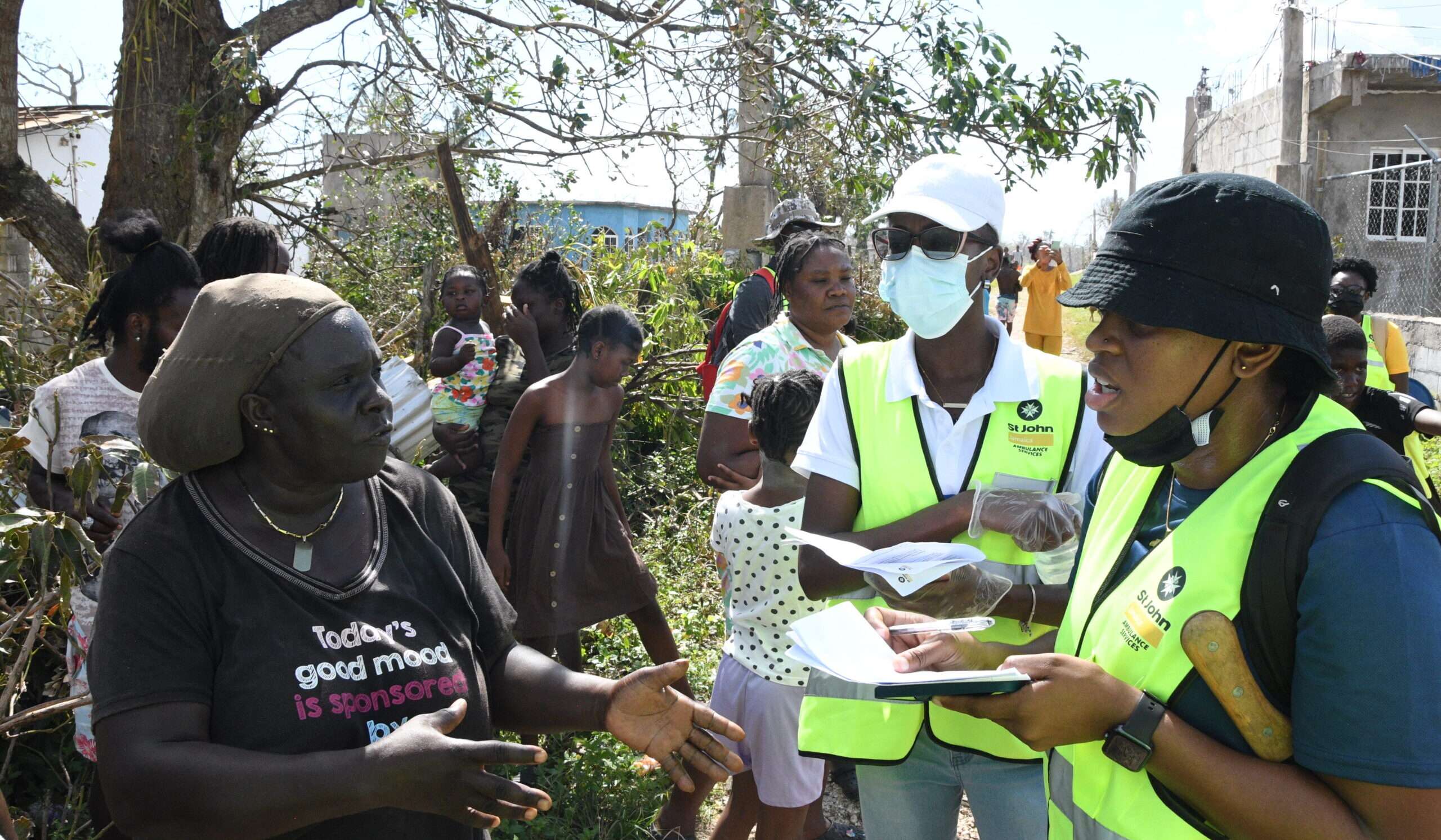
More than 250 volunteers, mobilized by St John’s Ambulance Jamaica and the JN Foundation, delivered first aid to nearly 800 residents over the weekend. Their work, transported by the Jamaica Automobile Association and supported by Starlink internet connectivity, represents the kind of grassroots emergency response that Canadian communities might want to study as climate-related disasters increase globally.
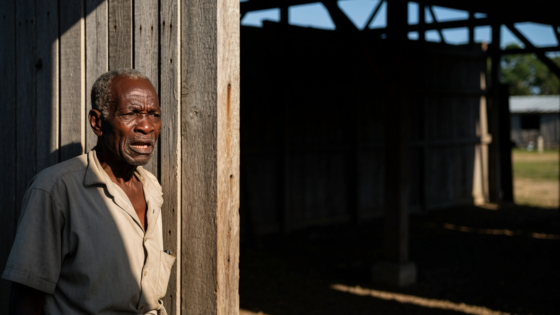
The personal stories emerging from the wreckage reveal both vulnerability and extraordinary strength. Vincent Wilson, an elderly diabetic from Barton Wharf, was rescued from a collapsed closet by neighbours who risked their own safety during the violent winds. Now staying with his rescuers, he has lost his blood pressure and diabetes medications, a reminder of how quickly chronic health conditions can become life-threatening in disaster zones.
Men like Ramorio Solomon, Romeo Wright, and Norris Campbell continued working through injuries that would sideline most of us. Solomon’s motorcycle accident left visible “cherries” on his arm and leg. Wright injured his chest while carrying his elderly mother-in-law from her roofless home. Campbell nearly severed his finger when hurricane winds slammed a door shut. Yet all pressed on, helping neighbors before tending to their own wounds.
This spirit of collective responsibility speaks to a fundamental truth about human resilience that Canadians would do well to embrace. As our own communities face increasing climate challenges, the Jamaican model of community-first response offers valuable insights.
Duane Ellis, CEO of St John Ambulance, noted that volunteers’ information gathering will help coordinate targeted assistance with health authorities. This data-driven approach to recovery, combined with the emphasis on preserving survivors’ dignity, represents a holistic model of disaster response that balances immediate needs with long-term recovery.
For Canadians, particularly those with Caribbean connections, Hurricane Melissa’s aftermath is a call to examine our own emergency preparedness and community bonds. In a world of increasing climate uncertainty, the Jamaican response demonstrates that our greatest resource is always each other.