


As Tropical Storm Melissa approaches Jamaica’s shores, most travelers would worry about canceled vacations, or safety concerns, but what if we told you this storm reveals something extraordinary about Jamaica’s tourism industry that has nothing to do with palm trees, or beaches?
Jamaica is demonstrating a masterclass in crisis management that transforms potential disaster into a showcase of institutional strength. The island’s tourism sector is revealing the psychological architecture of resilience that keeps visitors returning even after nature’s fury.
“We have learnt from experience that preparedness is the foundation of recovery,” states Minister of Tourism, Hon. Edmund Bartlett, whose words carry the weight of someone who understands that in crisis communication, transparency builds trust faster than any marketing campaign.
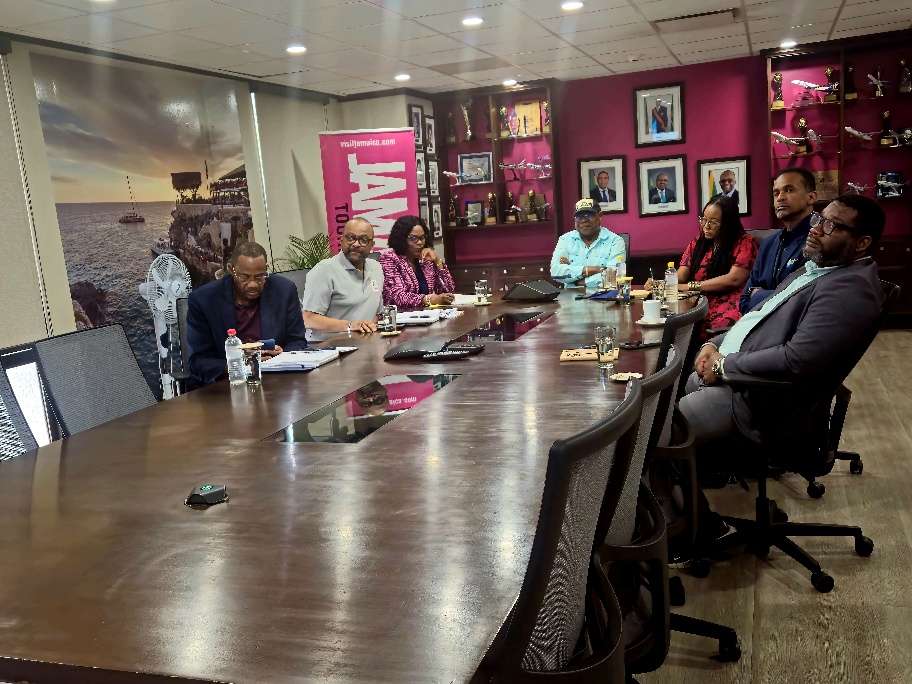
What’s happening behind the scenes? Jamaica’s Tourism Emergency Operations Centre (TEOC) is a psychological safety net, coordinating with national emergency agencies to create a seamless response system that speaks to both visitors’ and locals’ need for security.
The TEOC’s activation demonstrates a sophisticated understanding of how information flows during crises. By chunking complex disaster management into clear, actionable protocols, Jamaica reduces cognitive load for everyone involved, from hotel managers to tourists themselves. This cognitive ease creates psychological space for rational decision-making when emotions might otherwise run high.
This isn’t Jamaica’s first dance with disaster. That experience shows in how the industry has transformed past challenges into sophisticated protocols. Hoteliers, attraction operators, and transportation providers move with practiced precision, their internal preparedness plans reflecting years of collective learning. This social proof, visible evidence of competence, builds authority that requires no advertisement.

The psychological impact of such visible competence cannot be overstated. When travelers see calm, coordinated action rather than panic, their anxiety transforms into confidence. This emotional alchemy (turning fear into trust) is Jamaica’s secret weapon, a narrative transportation that shifts visitors from worried observers to confident participants in the island’s tourism story.
As the storm approaches, Jamaica’s tourism stakeholders remain “calm, vigilant and united,” projecting an image of control that resonates with visitors’ deepest need for safety. They are managing perception, emotions, and ultimately, the narrative that will define Jamaica’s tourism story long after Melissa passes.
In a world where climate uncertainty threatens travel destinations worldwide, Jamaica is demonstrating that resilience is about building forward, stronger, and wiser than before. That’s a lesson that extends far beyond tourism, into how communities everywhere might face their gathering storms with both practical preparedness, and psychological readiness.
Stay in the loop with exclusive news, stories, and insights—delivered straight to your inbox. No fluff, just real content that matters. Sign up today!