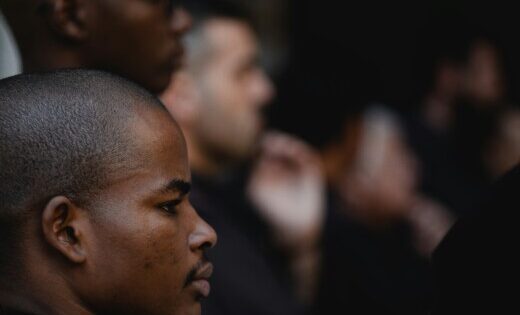


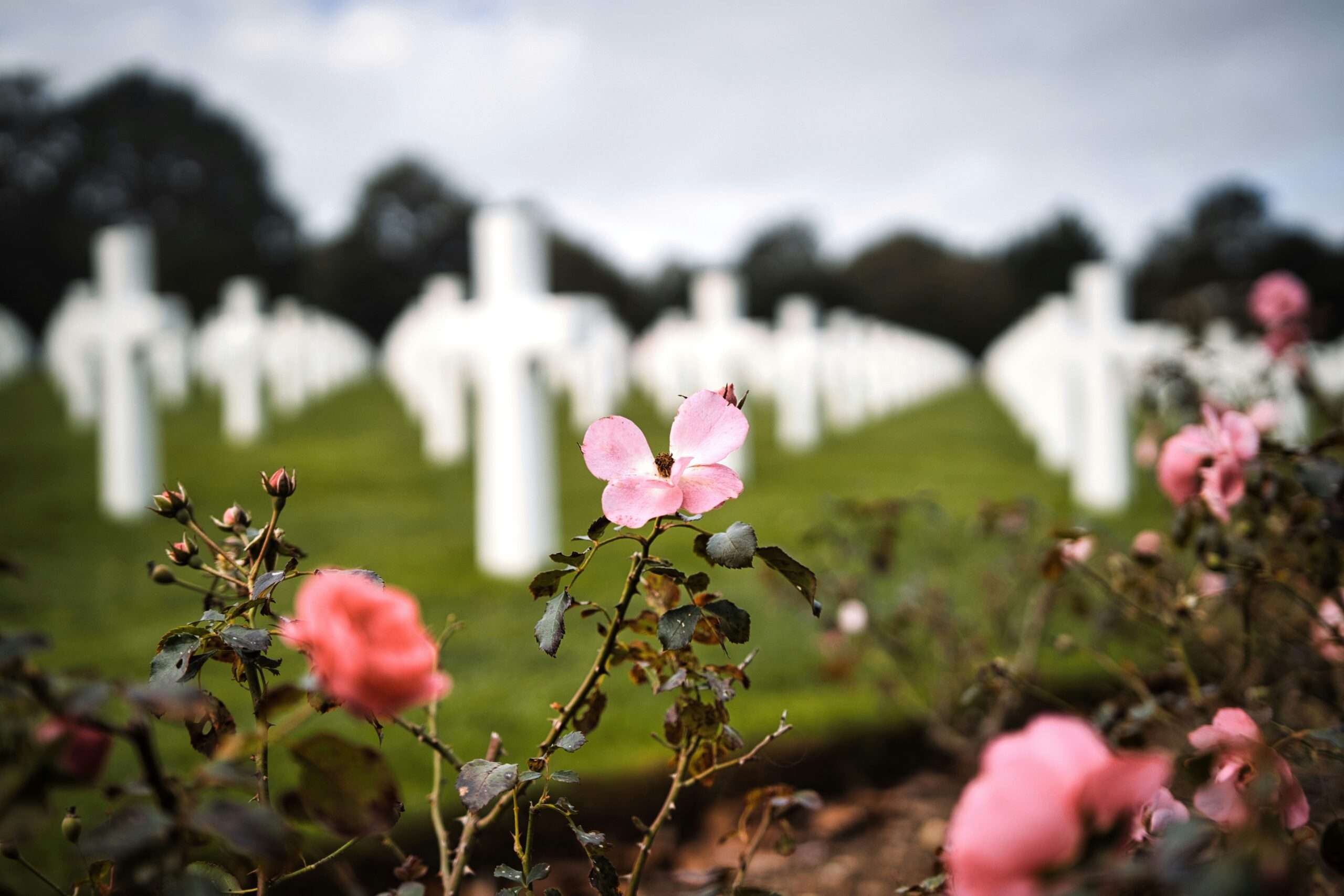

At the Netherlands American Cemetery and Memorial in Margraten, the haunting silence left by the removal of two panels honoring Black American soldiers in World War II speaks volumes about the ongoing struggle over memory, recognition, and respect. These panels, added in September 2024 to acknowledge the dual fight Black soldiers faced (against fascism abroad and racism at home) were quietly removed in early 2025, igniting outrage across continents.
The panels’ absence is a rupture in the narrative of sacrifice and valour. One displayed the broader history of Black American military contributions, highlighting their double victory campaign, while the other told the heartrending story of George H. Pruitt, a soldier who drowned while heroically saving a comrade. Their removal came shortly after the termination of diversity, equity, and inclusion (DEI) initiatives under an executive order, a detail that local historians and advocates link to an ideological push to erase uncomfortable truths about American history.
Witness the bitter irony recounted by Janice Wiggins, widow of 1st Sgt. Jefferson Wiggins of the 960th Quartermaster Service Company. Her husband was among 172 Black servicemen buried in Margraten, men tasked with burying fallen soldiers, ironic labour performed under segregation, forbidden even to share space with those they laid to rest. She lamented, “I find it difficult, even now, to read in the paper that soldiers ‘gave their lives’ … their lives were taken away.” This painful truth, once made visible through the removed panels, now feels abruptly silenced.
“We would greatly appreciate it if the story of the Black Liberators, like the 172 Black Liberators buried in Margraten, could be given permanent attention.”
Community leaders and Dutch officials have responded with palpable urgency and disappointment. Alain Krijnen, mayor of Eijsden-Margraten, expressed his plea with a tone that carries the weight of shared history and responsibility, “We would greatly appreciate it if the story of the Black Liberators, like the 172 Black Liberators buried in Margraten, could be given permanent attention.” His words bridge transatlantic respect and demand accountability from the American Battle Monuments Commission (ABMC), charged with cemetery stewardship.
The removal reportedly followed a complaint by the Heritage Foundation, aligning with a broader rollback of DEI programs in the U.S. The ABMC’s chief diversity officer was placed on administrative leave amid this controversy, signaling a chilling environment for acknowledgment of Black veterans’ pivotal role. This act has reopened wounds about who gets to tell history and whose sacrifices are memorialized.
This incident reveals the sharp tension between honouring a diverse past and the political forces that seek to simplify and sanitize it. It underscores a community’s fight to ensure Black veterans are not footnotes, but central to the collective memory of WWII’s fight for freedom.
The removed displays were not just historical plaques; they were open loops inviting visitors to grapple with complex legacies of courage and discrimination inviting empathy, reflection, and acknowledgment. Their loss is a call to action, a reminder that truth, no matter how uncomfortable, must remain visible.

In the shadows of these removed panels, the voices of Black WWII soldiers echo with a renewed insistence on remembrance. Their story is part of history, and a present demand for justice and dignity, one that must be told fully and honestly.
“Here we all were, this group of Black Americans having to deal with these bodies of White Americans… The stark reality was we had to bury those soldiers although we couldn’t sit in the same room with them when they were alive,” said Sergeant Wiggins. This statement presses us to reckon not only with past injustices but with how we choose to honour, or erase the complex truths of that history.
The efforts by Dutch politicians, historians, and communities to restore these panels, or erect new memorials are a testament to resilience and a pledge that the Black Liberators’ story will not be hidden, muted, or forgotten.
This removal is a painful episode, and also a moment of powerful communal reflection and resistance, a reminder that history is alive and contested, and that the fight to tell it fully is as vital as the battles these soldiers fought.
Stay in the loop with exclusive news, stories, and insights—delivered straight to your inbox. No fluff, just real content that matters. Sign up today!