


BY SIMONE J. SMITH
“Plants do not have an ego, they are there to heal.”
It was the “War on Drugs,” that created decades of prohibition and stigma surrounding medicinal plants, and holistic treatments that have been used by cultures worldwide. We have finally entered a new age of psychedelic research, one that has incredible potential for the treatment of mental and physical health and enhancing the quality of life for millions of people around the world.
The stigma on certain psychedelics and plants was introduced to many Caribbean islands via colonialism. What many of us may not realize is that the Caribbean region is more than just a sun and sand holiday destination. The region is also considered to be one of thirty-four biodiversity hotspots in the world and is certainly a ‘hotspot’ for medicinal plants.
The medicinal use of many Caribbean herbs is wrapped up in our folklore and oral tradition. Large quantities of plants were brought to the region through slavery. One of the most stigmatized plants is the cannabis plant, and for decades, marijuana has had a negative stigma attached to it. Lawmakers have come down on marijuana producers and users with the same might and force as they have with other narcotics like cocaine and heroin.
The knowledge of our ancestors can never be taken away from us, even though many have tried to eradicate it or even borrow it, selling back to us flawed and incomplete. We are now in a relearning, and rediscovering era. It will take some time to rediscover the power and beauty of plant medicine, but there is a movement that is set to assist with this relearning process.
World Psychedelics Day launches Sunday, June 20th, 2021, celebrating a new era of rational and informed perspectives on modern day psychedelics and traditional psychoactive plant medicines. This annual event honours the breakthroughs in scientific and therapeutic psychedelic research and traditional Indigenous practices that have culminated in the current “Psychedelic Renaissance.”

This year’s virtual event, produced by the Psychedelics Awareness Foundation*, a Canadian non-profit organization of artists, journalists, university students, parents and business people, seeks to redress this by teaming up with thought leaders in the space to educate, enlighten, and inspire people worldwide about the untapped potential of psychedelics.
The virtual event will include: digital and traditional media, online discussions with renowned experts, public art projects, documentaries, and music. Now being referred to as 6·20, the day will spark open, engaging conversations, featuring a line-up of fascinating topics covering:
- Breakthroughs in scientific research and clinical trials, particularly in mental health
- Global legalization and decriminalization milestones
- Harm reduction and the ethics of psychedelic-assisted therapy
- The applications of psychedelic-assisted therapy
- Anticipated adoption of psychedelics in the pharmaceutical industry
- Environmental protection of psychoactive plants used in Indigenous people’s practices
- Potential of psychedelic molecules to cure diseases
- Psychedelics role in treating mental illness in the emerging post-pandemic world
I had an opportunity to sit down and dialogue with Kim Haxton, the Director of the Psychedelics Awareness Foundation. She is Potowatomi from the Wasauksing First Nation with twenty years of experience with Indigenous healers from around the world. “As psychedelics go mainstream,” Kim notes, “It is crucial that issues of sustainability and reciprocity be front and centre, in order to protect environmentally threatened psychoactive plants such as Peyote, and the Indigenous cultures that use them as part of their traditional practices.”
I had caught Kim at the very end of her day, and I could tell she was tired. I appreciated that she took the time to sit down and share stories with me about her experiences with psychedelics, and her travels around the world.
“There is a colonized belief about plant medicine,” Kim shares. “There is also a lot of fear around plant medicine. There was a time when people had a relationship with the natural world, and medicine was used to commune with God.
Throughout my travels to the Caribbean and South America, I learned so much about the spiritual relationship that cultures have with plants, and how it can be used to elevate the consciousness of the science community. It is time that we move from fear to freedom when it comes to understanding the natural world, and World Psychedelic Day is a perfect opportunity for people around the world to learn about the miracle of plants.”
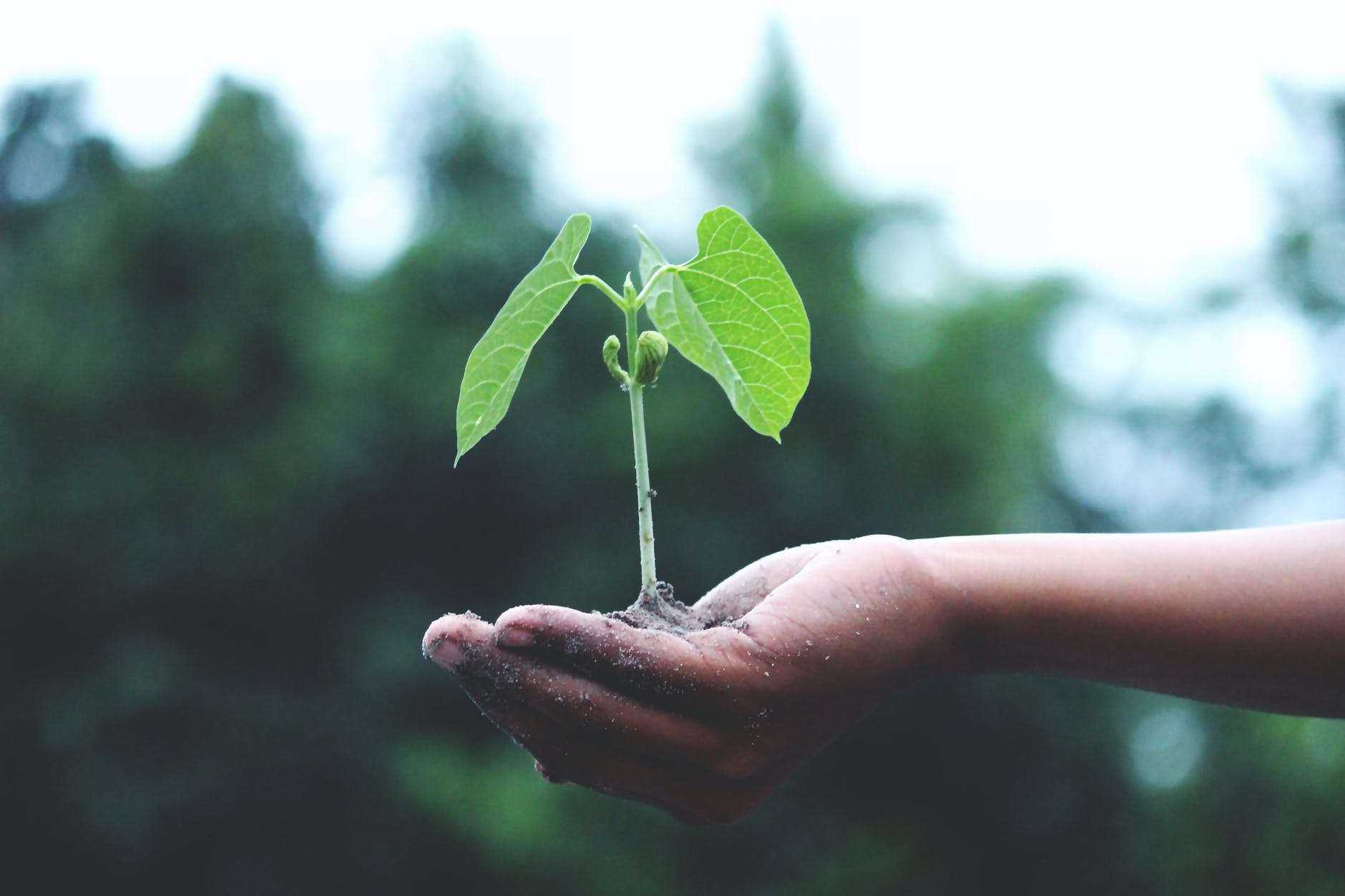
World Psychedelics Day 6·20, 2021 plants the seeds for an annual, global day of discussion and celebration dedicated to building awareness of, and respect for, the therapeutic and life-enhancing potential of synthetic psychedelics and traditional psychoactive plant medicines.
The vision is a time when synthetic and naturally occurring psychedelic medicines are better understood, made safely and legally available, and are appreciated for all their beneficial, wondrous, and sacred uses.
Stay in the loop with exclusive news, stories, and insights—delivered straight to your inbox. No fluff, just real content that matters. Sign up today!