


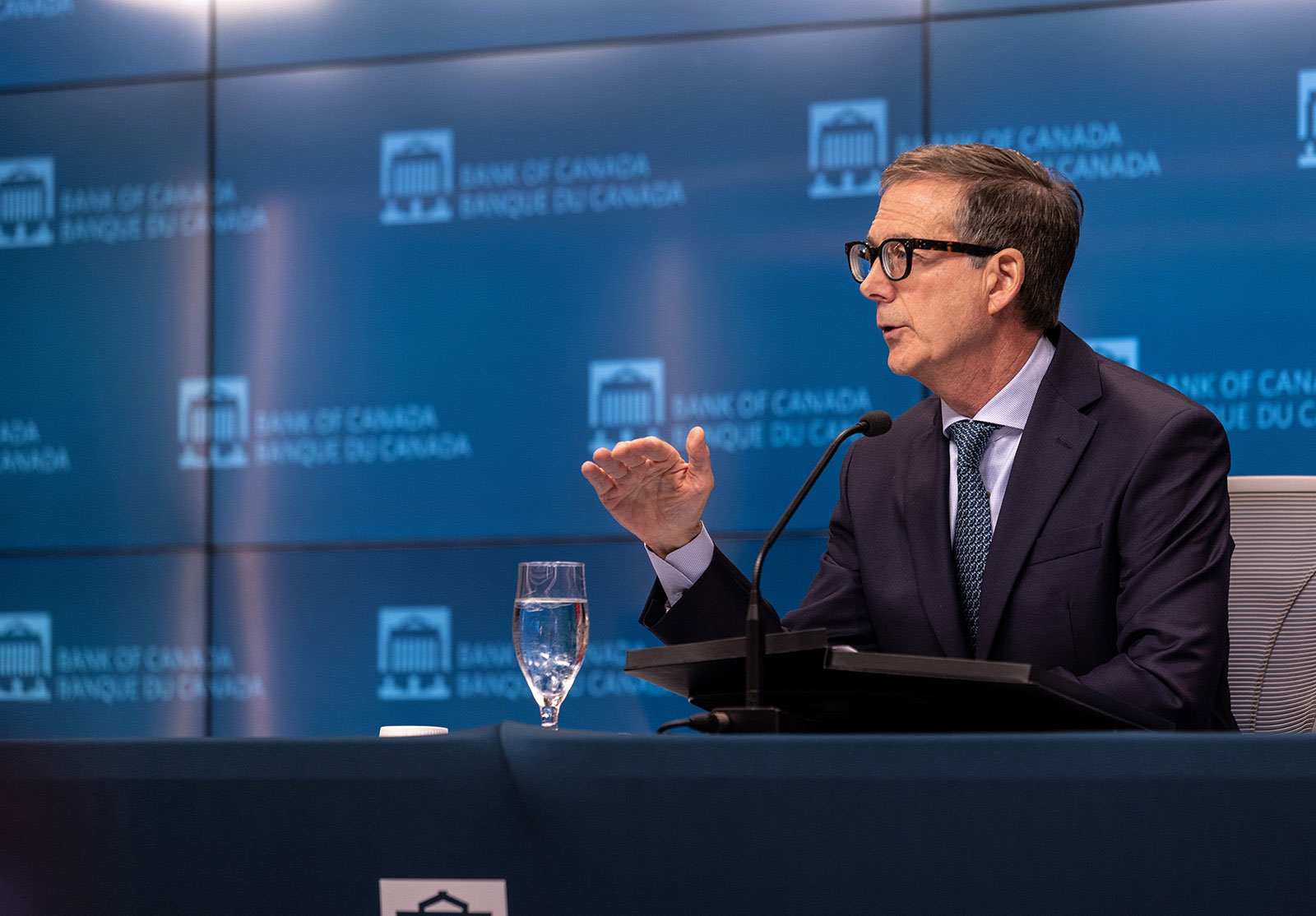

Last week, the Governor of the Bank of Canada, Tiff Macklem, delivered a chilling directive; unless significant structural changes occur, Canadians must brace for a period where our standard of living will decline. While the Bank’s analysis suggests the current economic situation that is marked by stagnant incomes and persistently high costs for essentials like housing and groceries, is precarious, Macklem stressed that forcing prices down would risk a severe recession. The stated solution? Structural reforms focused on increasing national productivity.
For many Canadians, particularly those standing at the intersection of social justice and economic struggle, this official warning lands as a devastating validation of an existing reality. It provokes the truly unasked question: Why are the guardians of the economic structure only now issuing an urgent warning about a decline that has already been meticulously engineered and deeply felt by the most vulnerable among us?
There is a framework for analyzing power that often centers on how dominant institutions manage public perception, turning systemic failures into individual burdens. The call for increased national “productivity” serves as a prime example of this subtle psychological redirection. When income has already been stagnant while the cost of everything has relentlessly increased, standard of living has already declined. Yet we are told that the way out requires workers to somehow be more productive, to split their efforts across two or three part-time jobs, to solve a problem rooted in corporate refusal to raise wages or reinvest profits.
This narrative demands that we as Canadians must accept that the system is broken
This narrative demands that we as Canadians must accept that the system is broken and accept that the fix depends on you producing more within the broken system. The official messaging stresses that unless we change things like productivity, our income will be lower than it otherwise would have been. This focus successfully obscures the root cause: the “incessant thirst of the owning class to increase profits and their own wealth,” leading to practices like paying workers less and engaging in real estate speculation.
When a central authority frames the solution as complex structural adjustments beyond its control (like improving productivity and competitiveness) it subtly outsources the responsibility for hardship onto the populace while shielding those who benefit from the status quo. We must look at who benefits when hope is outsourced.

To understand the resonance of this warning, we must zoom in on the specific details of systemic inequity. For Afro/Indo Caribbeans and other racialized communities, this economic downturn is an intensification of entrenched barriers.
Systemic racism in Canada’s institutions, from education to employment, limits economic inclusion and social mobility. The data paints a clear, painful portrait: Afro/Indo Caribbean Canadians face higher poverty rates, lower property ownership, and less intergenerational wealth. Even when controlling for education, the income gap is staggering; African Caribbean Canadians with a bachelor’s degree, or higher earned a median income of $50,000 in 2020, significantly less than the $70,000 earned by non-racialized counterparts. They are twice as likely to be employed in roles requiring only a high school education, despite high post-secondary attainment.
For these communities, a national trend toward a lower standard of living means the exacerbation of these existing disparities, making the fight for economic security even harder. The pressure felt by the general population: managing high debt and adapting to slower income growth, is compounded by the persistent weight of systemic anti-African racism in hiring, promotion, and access to capital for entrepreneurs.
If we reject the subtle tactic of blaming lack of productivity, the unasked question reveals its answer: The current economic trajectory is designed to protect the wealth accumulated at the top, and the working class, particularly racialized workers, are being asked to absorb the failure.
The solution, therefore, is not to simply accept the inevitability of scarcity.
The solution, therefore, is not to simply accept the inevitability of scarcity. We have to shift the focus from individual performance to dismantling the structures of extraction. The only meaningful reversal of declining standards is improving the material conditions of the working class. This involves targeted policies that incentivize the hiring and promotion of Afro/Indo Canadians, dedicated funding streams for entrepreneurs, and accessible wrap-around supports that address systemic barriers in housing and childcare.
We must recognize that advancing prosperity is fundamental to the nation’s prosperity and sustainability. By meticulously observing and naming the authentic actions of power structures, we refuse the narrative of passive acceptance and begin the work of demanding equitable, profound change.
Stay in the loop with exclusive news, stories, and insights—delivered straight to your inbox. No fluff, just real content that matters. Sign up today!