


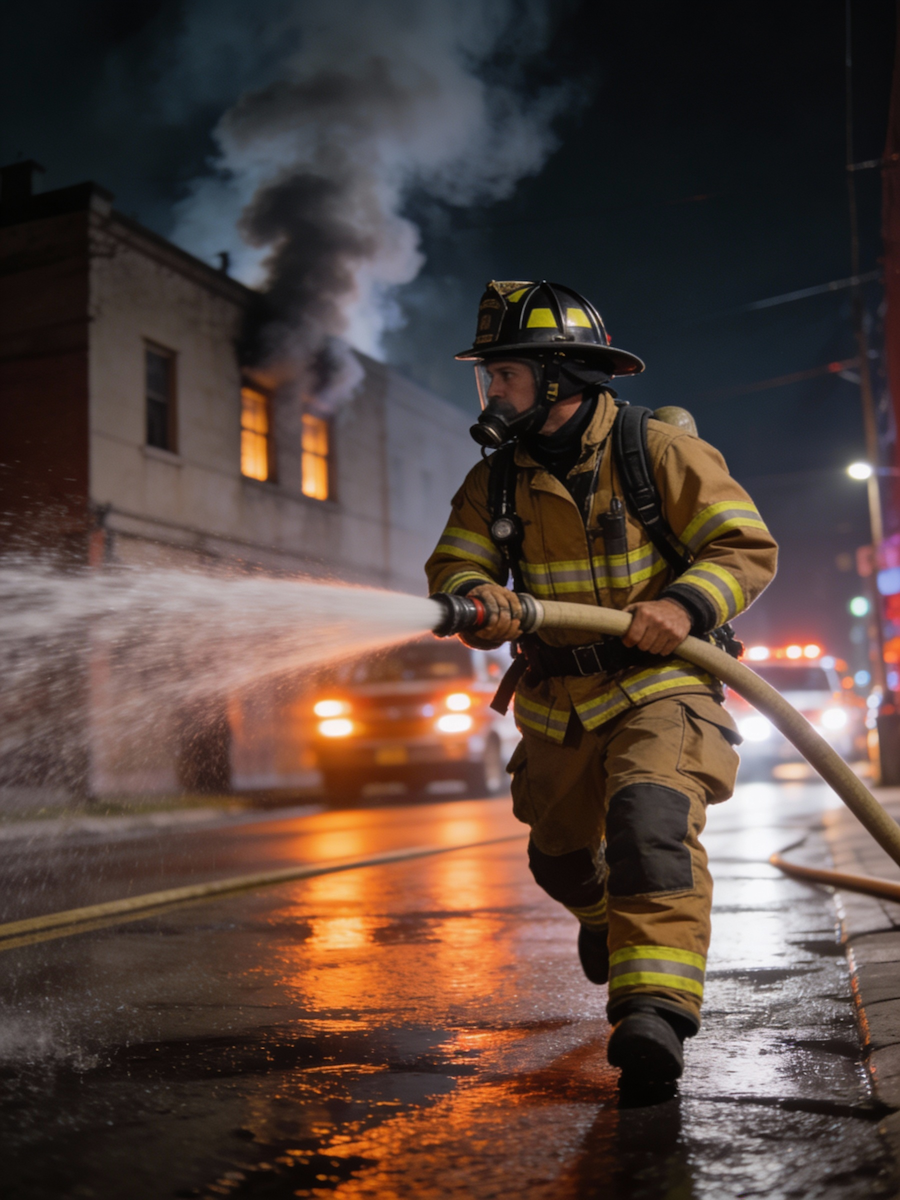

Over the years, whether through real estate work, community conversations, or hearing about tragedies like the Brampton fire on Banas Way, one thing has become painfully clear: fires in rental homes rarely happen out of nowhere. They almost always connect back to something someone overlooked: a tenant, a landlord, or both.
I once entered a basement apartment where the smoke alarm was on the kitchen counter, with the battery removed. When I asked the tenant why, he shrugged and said it “Beeped too much.”
That “beeping” was the alarm begging for life.
Smoke alarms need testing, replacing, and checking after each tenancy change. Regular maintenance helps prevent missed hazards and can save lives, encouraging everyone to take safety seriously. Always perform an annual check. Plan around a specific time, such as daylight-saving time.
Escape routes are vital, but people only notice them during an emergency
I’ve seen basement bedrooms with windows too small for a child to squeeze through, hallways blocked with storage, and doors jammed behind furniture. In reality, basement units must have proper, accessible escape routes, such as windows that open easily without keys, egress sizes large enough for an adult, and clear, unobstructed paths to the outside, including a well-lit stairway free of clutter. Ignoring these basic requirements puts everyone at risk.
A home tells the truth, even when people don’t
I’ve heard landlords swear they “had no idea” the home was overcrowded yet, the overflowing garbage bins and the number of cars parked on the driveway told a different story. I’ve listened to tenants claim that they have working fire alarms, but the ceiling reveals only dangling wires. It’s best to hire an electrician to install a hard-wired smoke alarm on all levels and to conduct a safety check on the electrical circuit at the same time.
Routine maintenance isn’t optional, it’s an essential habit
The best landlords I’ve encountered conduct quarterly walkthroughs, test fire alarms, keep photo records, and use tenant-signed checklists. Tenants should report any broken alarms, keep exits clear, and follow occupancy rules. Clearly define shared responsibilities and practical safety measures to encourage cooperation and improve overall fire prevention.

The blunt truth: overcrowding can be deadly
In tragedies like the Banas Way fire, you see the results of too many people living in cramped spaces, inadequate oversight, and a system in which inspectors must ask for permission to enter. When an inspector cannot access a suite, and there’s no follow-up, the risk increases.
I’ve entered homes where eight, ten, and sometimes twelve people live in spaces designed for four. When a fire strikes such overcrowded homes, escape routes disappear. The house turns into a maze of mattresses, cords, heaters, and clutter. People (especially children, seniors, and those in basements) don’t stand a chance.
Fires don’t care who’s responsible, they take advantage of the gaps
It only takes one weak link to start a fire: a landlord ignoring codes, a tenant disabling alarms, inspectors lacking authority, a clogged inspection system, overcrowding, hoarding, or neglected maintenance.
Even responsible landlords face a tough fight
Recently, I dealt with a tenant who transformed the entire house into a department store; piles of used clothing, clutter, and merchandise stacked wall-to-wall. It wasn’t just unsightly; it was a fire hazard.
I filed a complaint with the Landlord and Tenant Board, which took nine months to schedule a hearing. This prolonged process highlights systemic barriers that delay urgent safety interventions, stressing the need for more efficient enforcement mechanisms.
Fire prevention in rental housing isn’t about one action; it’s made up of many small responsibilities shared among authorities, landlords, and tenants. Working together can help create safer homes for everyone.
Stay in the loop with exclusive news, stories, and insights—delivered straight to your inbox. No fluff, just real content that matters. Sign up today!