


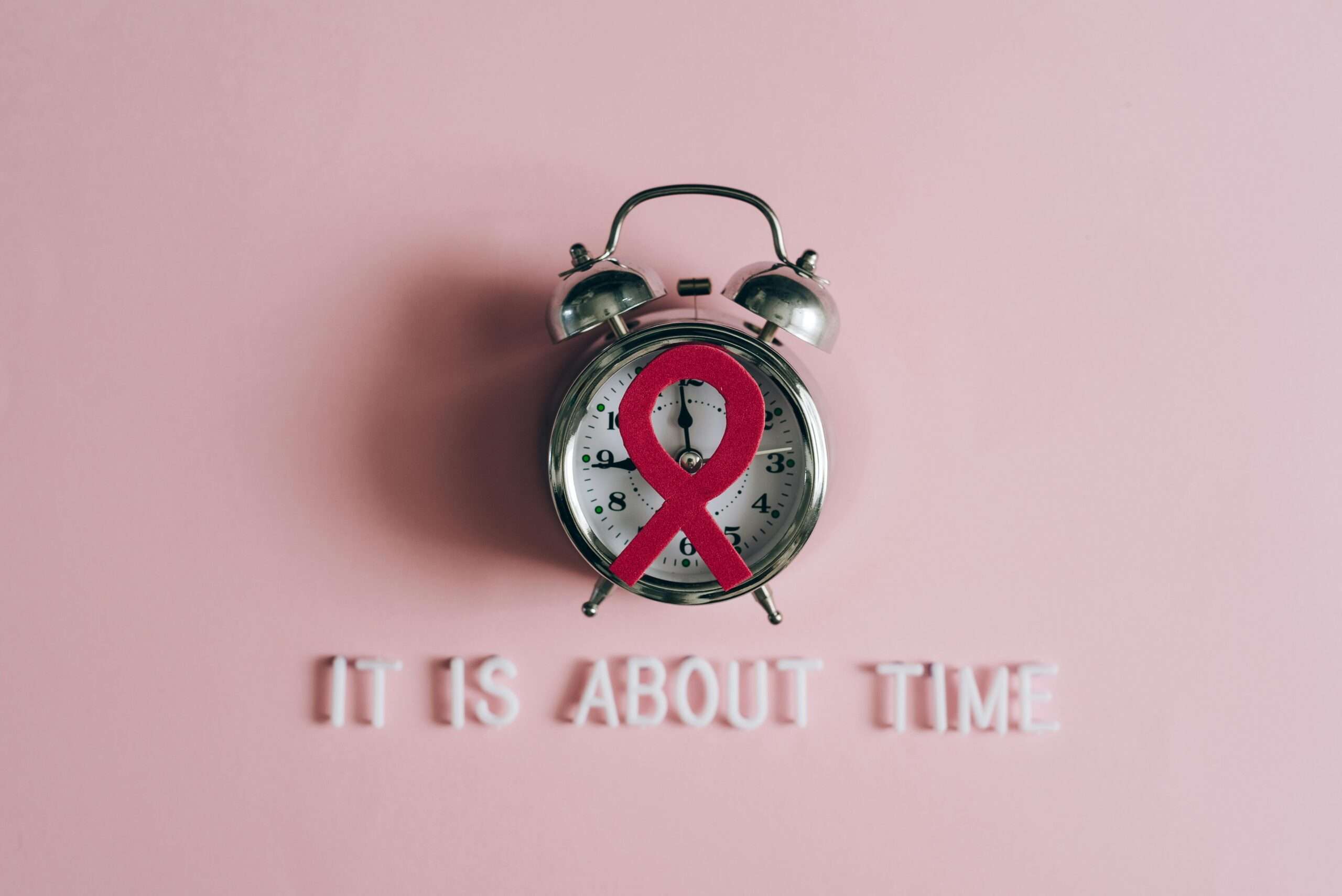

HIV, the human immunodeficiency virus, once terrified the world. In the 1980s, it devastated hospitals as: gay men, women, and drug users fought for their lives. Back then, the crisis filled headlines. Today, it barely makes the news, but HIV never disappeared. It remains a global threat, and in parts of Canada, including Northern Ontario, it’s on the rise again. Between 2013 and 2021, the Kenora region reported eight new cases, a number that has continued to climb. Small in appearance, yes, but each case signals much larger issues: addiction, poverty, and underfunded testing programs.
Condom campaigns and needle distribution saved lives. Yet, growing drug use and worsening poverty have left vulnerable communities exposed.
In 2020 alone, Canada reported 1,639 new HIV diagnoses. Men accounted for 71.4% of cases, while women made up 28.6%. The COVID-19 pandemic made accurate counts even harder, as healthcare services for at-risk populations were disrupted.
Reported exposures in 2020, Canada (males):
- 8%: Male-to-male sexual contact
- 8%: Injection drug use
- 3%: Both male-to-male sexual contact and drug use
- 8%: Heterosexual contact
Reported exposures in 2020, Canada (females):
- 8%: Heterosexual contact
- 7%: Injection drug use

Age patterns remain steady. The majority of new cases occurred in people aged 20 to 39. Even more troubling, over 250 infants were exposed to HIV during pregnancy between 2020 and 2023. Nearly all HIV-positive mothers received antiretroviral therapy, proving that treatment works, but access and awareness remain uneven.
In 2018, 62,050 Canadians lived with HIV. One in four were women, and half identified as gay, or bisexual men. Among the most alarming statistics: one in eight people with HIV don’t know their status. Unaware of their condition, they can unknowingly spread the virus.
Indigenous communities face disproportionate risk. Though they represent only 4.9% of Canada’s population, they account for 14% of new infections. Poverty and systemic barriers fuel this inequity.
The good news? By 2021, 86% of Canadians living with HIV knew their status. Of those diagnosed, 84% were on treatment, and 92% of those had achieved viral suppression. That means the virus was no longer detectable in their blood, a victory of modern medicine. Still, progress slows without consistent funding, education, and prevention.
You can’t rely on silence, or assumptions. The only way to know your HIV status, or your partner’s, is through testing.
Here’s what you can do now:
- Get tested with your partner. Knowledge saves lives.
- Practice safer sex. Condoms, barriers, and lubricants reduce risk when used correctly.
- Never share equipment. Anything that punctures the skin—needles, syringes, or tools—can transmit HIV.
While Canada wrestles with rising numbers, the global picture is even more sobering. Between 2020 and 2024, more than 1.3 million people were newly infected in Africa and the Caribbean. At the same time, international funding, especially from the United States, has declined. Without sustained support, treatment shortages will mean: more pain, more suffering, and more preventable deaths.
HIV doesn’t just affect the individual. It: strains healthcare systems, tears families apart, and alters communities. The lesson is simple: health responsibility starts with each of us.
The past decade proved one undeniable truth; you are responsible for protecting your own health. Pay attention to what you consume, how you behave, and who you trust. Viruses evolve, but so can our defenses.
Education and vigilance remain our most powerful tools. In a world where sharing needles, or ignoring testing can spark outbreaks, sometimes the bravest choice is refusing to share.
Stay in the loop with exclusive news, stories, and insights—delivered straight to your inbox. No fluff, just real content that matters. Sign up today!