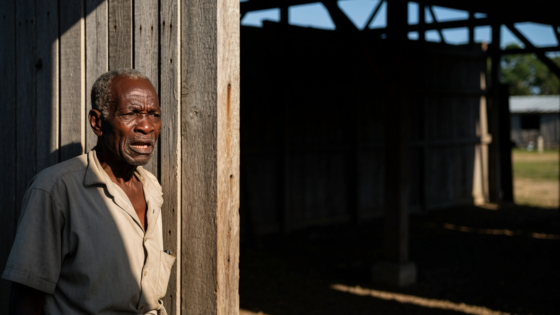




In the sterile language of statistics, gun violence is measured in fatalities, injuries, and crime rates. Behind every headline is a mother who can no longer sleep, a sister who avoids certain streets, a daughter who jumps at sudden sounds. Last month’s Through HER Eyes exhibition at Worth Gallery didn’t just display art, it unveiled the invisible epidemic of trauma that Black women carry long after the news cameras leave.
Hosted by DevelopMe Youth as part of their Young, Black & Resilient program, this four-day showcase centered the experiences rarely captured in public discourse: the emotional, social, and economic devastation that gun violence inflicts on Black women in urban communities.
The weight of invisible grief
Research reveals the staggering burden Black mothers bear. In 2016, gun violence became the leading cause of death for Black adolescents in the United States, occurring at rates 3.7 times higher than their white counterparts. Yet, while we count the bodies, we rarely count the bereaved.
Studies show that Black mothers who lose children to gun homicide experience profound social isolation, with grief processes that often leave them feeling abandoned by support systems. The trauma doesn’t end with burial; it transforms their relationship to space itself. Neighbourhoods become minefields of memory, where corner stores and bus stops trigger flashbacks to loss.
“The areas where violent incidents occur often become triggers for trauma,” explains researcher Alisa Shockley, whose work examines how Black women navigate environments marked by violence. Living in these spaces “intensifies the struggle to feel safe, compounding the trauma experienced by victims and co-victims.”
When survival becomes strategy
For young Black women, gun violence shapes daily existence in ways that extend far beyond direct victimization. Research documents how Black girls develop “situated survival strategies” restricting their movements, avoiding certain spaces, and maintaining hypervigilance even within their own neighbourhoods.
These aren’t just personal choices, they’re adaptations to structural violence. The same policies that created hyper-segregated communities through redlining now trap residents in cycles of poverty, disinvestment, and heightened exposure to violence. Black women, particularly mothers, find themselves “rooted” in areas where mobility becomes a luxury they cannot afford.
The economic implications are devastating. Exposure to community gun violence correlates with increased depression and chronic stress among mothers in disadvantaged urban areas, conditions that affect work capacity, healthcare costs, and family stability across generations.

The power of reclaimed narratives
Yet Through HER Eyes wasn’t just about documenting trauma, it was about transformation. The exhibition showcased how Black women refuse to be defined solely by their suffering. Research consistently shows that: social support, positive cognitive appraisal, and faith-based coping can significantly reduce trauma symptoms and foster what psychologists call “post-traumatic growth”.
This aligns with a broader truth often overlooked in policy discussions: Black women have always been at the forefront of anti-violence advocacy. Organizations like Black Lives Matter, Mothers of the Movement, and countless local groups were founded and led by Black mothers who transformed their grief into action. As researcher Arionne Nettles argues, Black mothers are the “real experts” on gun violence, advocating for policy change, organizing community responses, and supporting other grieving families.
Beyond individual healing
What makes DevelopMe Youth’s approach particularly powerful is its recognition that trauma in Black communities isn’t just individual, it’s collective and structural. The organization understands that healing requires more than therapy; it demands spaces where young Black women can reclaim their narratives and envision futures beyond survival.
This perspective challenges dominant approaches to gun violence that focus primarily on punishment and enforcement. Instead, it suggests that sustainable solutions must address the root conditions: poverty, segregation, and systemic racism that make communities vulnerable to violence in the first place.
A call for visibility
Through HER Eyes served as both mirror and manifesto, reflecting experiences too often rendered invisible while demanding recognition for the women who carry their communities through crisis. In Toronto’s increasingly diverse landscape, these stories remind us that gun violence isn’t just about perpetrators and victims; it’s about the mothers who organize vigils, the sisters who raise orphaned children, and the daughters who dream of safer futures.
The exhibition has ended, but its message endures: we cannot address gun violence without centering the women who bear its ongoing cost. Their stories aren’t just art; they’re evidence of both systemic failure and human resilience, demanding not just our attention, but our action.
Until we listen to these voices, our responses to gun violence will remain incomplete, addressing symptoms while ignoring the deeper wounds that fester in silence.
Stay in the loop with exclusive news, stories, and insights—delivered straight to your inbox. No fluff, just real content that matters. Sign up today!