

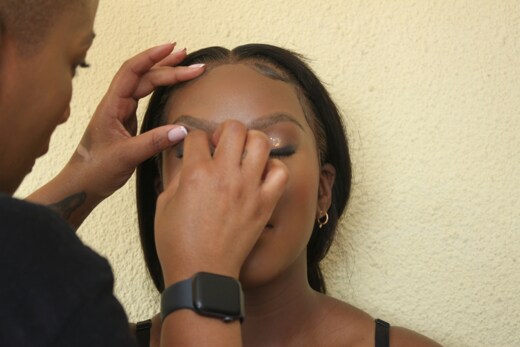

For centuries, people have used makeup to enhance appearance, build confidence, and express creativity. While cosmetics can offer personal and cultural benefits, testing over time has shown that some products contain hazardous ingredients that are not safe for routine use. Recent testing suggests that certain eyeliners should be added to the list of products consumers may wish to avoid.
Pure Earth, an international environmental health nonprofit, recently conducted a small pilot study examining Kohl, Kajal, and Surma eyeliners. The organization tested 56 eyeliners from 39 different brands, without publicly identifying the manufacturers. Samples were sent to an independent laboratory for analysis.
The results were concerning. More than half of the 56 samples contained elevated levels of lead. Several products tested at more than 10% lead by weight, and one sample contained 38 percent lead. Previous research has also documented cases of lead poisoning associated with exposure to these types of eyeliners.
In the United States, cosmetic companies are advised by the Food and Drug Administration (FDA) not to use more than 10 parts per million (ppm) of lead in cosmetic products. According to Pure Earth’s findings, more than half of the tested eyeliners exceeded this advisory threshold.
The study also examined product labeling. Of the 17 eyeliners marketed as “lead-free,” lead was detected in two. Among the remaining products (including some marketed for infants) lead levels ranged from 7.4 ppm to 380,000 ppm.
Lead exposure, even at low levels, is widely recognized as unsafe. It can affect the bloodstream and is associated with fertility challenges in both women and men, abdominal pain, irritability, and hyperactivity. In children, lead exposure can impair growth and neurological development.

These products (often referred to as traditional eyeliners) have been used for thousands of years by people of many genders and ages, particularly within South Asian, Middle Eastern, and African communities. Historically, their use has extended beyond cosmetics to include cultural, religious, and perceived health practices.
Although certain traditional eyeliner materials and colour additives are restricted or banned in countries such as Canada and the United States, these products remain accessible through online marketplaces and small retailers. They are frequently advertised as “lead-free,” despite laboratory testing showing detectable lead in many samples.
While avoiding traditional eyeliners that contain lead may appear to be a straightforward solution, it is not simple for individuals and families for whom these products hold deep cultural, religious, and generational significance.
However, alternatives do exist. Culturally informed education about product safety, ingredients, and labeling can play a meaningful role in reducing risk without dismissing tradition.
A 2025 study published in PLOS Global Public Health found similarly elevated lead levels in traditional eyeliners purchased in Washington State’s King County and in products collected from users’ homes. Importantly, researchers also interviewed community members and found that 90 percent of traditional eyeliner users were willing to switch to safer, comparable products when informed of the risks.
Consumers can also take steps to reduce potential exposure. These include thorough handwashing after application, understanding eyeliner terminology, prioritizing ingredient transparency, avoiding reliance on “lead-free” claims alone, exercising caution with powder-based eyeliners, and, where appropriate, creating safer alternatives using verified recipes.
Stay in the loop with exclusive news, stories, and insights—delivered straight to your inbox. No fluff, just real content that matters. Sign up today!












A. BEST
January 28, 2026 at 11:36 am
great and informative article