


What follows isn’t meant to make light of Jamaica’s struggles, or feed conspiracy chatter. In a world where rumours outpace facts, this piece aims to slow things down, just enough to really look, listen, and understand. Every detail here comes from verified sources, eyewitness accounts, and data that ask to be thought about, not just scrolled past. Some parts might make you uneasy. Others may sound hard to believe, but each one has earned a place in this story.
We live in a time that loves quick takes and easy certainty, yet real life rarely plays by those rules. So, as you read, let curiosity lead. Question what you are told, what we present here included, because the truth, as history reminds us, is rarely just black and white.
“So, as you read, let curiosity lead. Question what you are told…”
In 2003, the U.S. government secured a patent for technology designed to alter weather patterns. Patent US20030085296A1, filed on May 8th, 2003, outlines a system that uses audio generators to project sound waves into the atmosphere to influence the formation and direction of low-pressure systems. In plain language: sound waves can be used to either disrupt, or direct storms and, under certain conditions, produce rainfall.
The patent describes potential uses “to prevent a hurricane, or tornado from forming” or, conversely, to “alter the direction of a low atmospheric system.” The technology, at least on paper, grants whoever wields it significant influence over one of nature’s most powerful forces. A patent, by definition, provides exclusive rights to make, use, or sell an invention. In this case, it effectively licenses control of the weather.
While patents don’t always translate into real-world deployment, the existence of such documentation demonstrates intent and capacity. It confirms that the idea of weather modification is not mere science fiction, but an area of serious U.S. research interest.
This isn’t the first time America has explored climate manipulation. In 1967, during the Vietnam War, the U.S. Department of Defense launched Project Popeye, a covert weather modification program aimed at extending monsoon seasons over enemy supply routes in North Vietnam and Laos. Declassified State Department memos confirm that cloud seeding was used “to produce sufficient rainfall to interfere with truck traffic.” In short, weather became a tactical weapon.
The project’s results were deemed “successful.” Sustained rainfall bogged down supply chains, slowed troop movements, and granted U.S. forces an operational advantage. That was nearly sixty years ago. The question that follows is how much has this technology advanced?
Today, discussions around weather control have evolved from the military to the political and environmental arenas. Nations are confronting record-breaking hurricanes, fires, and droughts, and the line between climate crisis and climate control has grown increasingly thin. For small island nations like Jamaica, these issues are existential.
Jamaica’s Vision 2030 National Development Plan, approved by Parliament in 2009, outlines an ambitious long-term framework for economic, social, and environmental progress. Its vision, “Jamaica, the place of choice to live, work, raise families, and do business” echoes the language of the United Nations’ 2030 Agenda for Sustainable Development, which introduced the 17 Sustainable Development Goals (SDGs).
The alignment between Vision 2030 and the UN’s SDGs is clear. Both emphasize sustainability, equity, and resilience. Yet, some Jamaicans question the extent to which the nation’s leadership examined the deeper implications before adopting global development frameworks wholesale. Did Parliament fully explain to citizens what integration with the UN’s Agenda 2030 might entail, especially concerning: land use, foreign investment, and urban planning?

The pattern is familiar: crisis, aid, then restructuring. History shows how such cycles can reshape nations’ autonomy. The Caribbean, small but strategically positioned, often sits in the crosshairs of geopolitical agendas masked as humanitarian assistance.
Recent events deepen those concerns. In early 2025, reports surfaced from Venezuela’s coastline: a vessel carrying two Trinidadian nationals (identified by family as fishermen) was destroyed after an encounter with U.S. military forces. Washington labeled the men drug traffickers; relatives insist they were simply working fishermen. No trial. No arrest. Only silence and fear among Caribbean fishers who now question their safety at sea.
Meanwhile, the U.S. has sought access to Grenada’s Maurice Bishop International Airport for military staging, echoing a historical déjà vu. In 1983, President Reagan justified invading Grenada by claiming its then-government was building a Cuban-backed airbase. Four decades later, the same airport—rebuilt and renamed to honour Grenada’s fallen leader, is once again eyed for military use.
The optics matter. To many in the region, it looks less like partnership and more like possession. Fishermen lose their livelihoods. Nations lose their sovereignty, and when the storms arrive, whether born of nature, or of technology, they hit the Caribbean hardest.
“Many long-time residents remarked that it was unlike any storm they had witnessed before.”
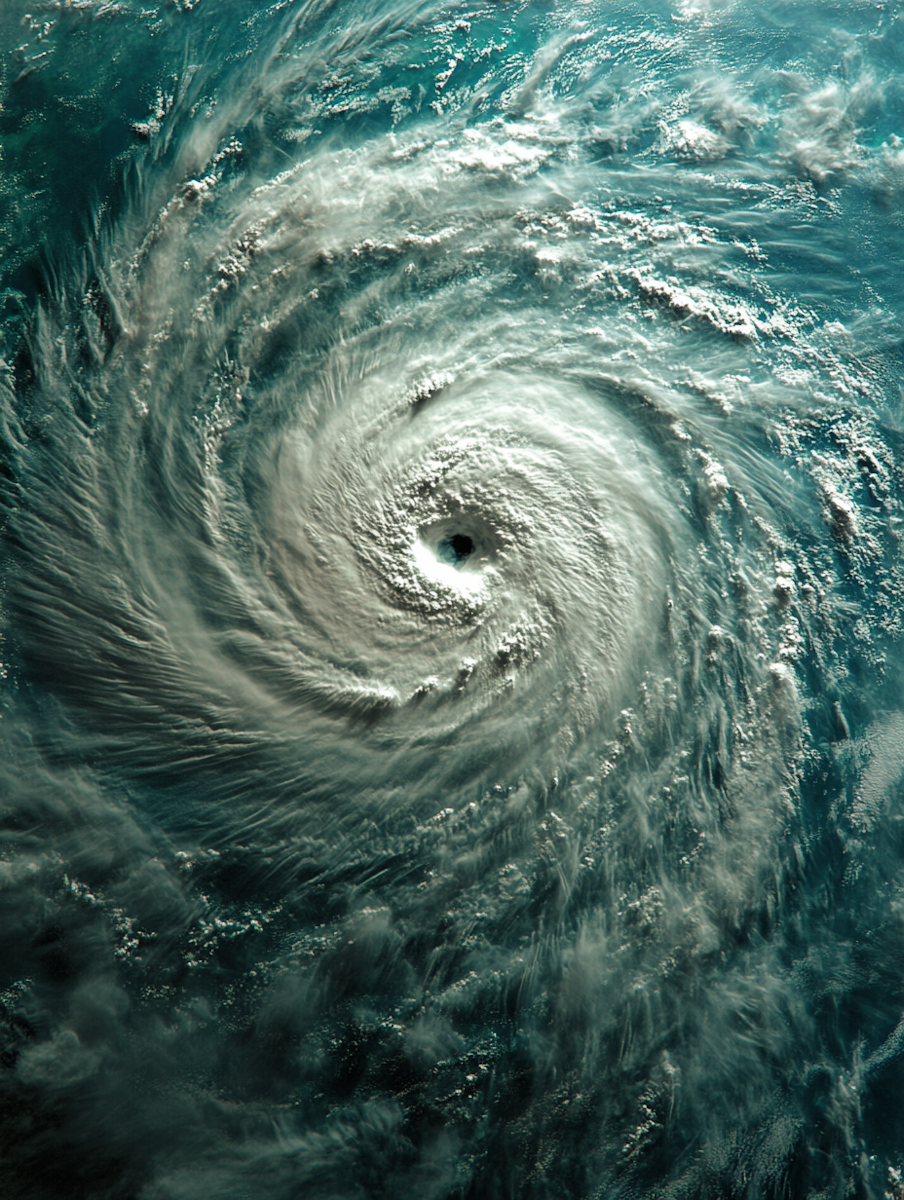
The recent Hurricane Melissa devastated Jamaica’s infrastructure and displaced thousands. Many long-time residents remarked that it was unlike any storm they had witnessed before: no lightning, no thunder, only silent destruction. While there’s no definitive proof linking Melissa’s formation to human interference, the questions persist: with known U.S. capabilities in weather modification, and a track record of weaponizing the climate, could manipulation now be part of the geopolitical playbook?
It’s an uncomfortable inquiry, but investigative journalism thrives on discomfort. The role of the press is not to confirm every suspicion, but to ensure that citizens are not kept in the dark about technologies and treaties that shape their lives.
If the U.S. can influence weather, and history suggests it has before, then Caribbean nations must advocate for transparency in international agreements and protect their sovereignty from quiet forms of control. The threat, it’s political. Who controls the sky may one day control the ground beneath our feet.
In the end, resilience will not come solely from foreign aid or development plans. It will come from unity. From nations demanding accountability before dependency. From citizens asking hard questions and refusing easy answers.
Technology built to save can just as easily destroy. The Caribbean’s defense lies in vigilance, and in remembering that power, when unchecked, rarely remains benevolent.
Stay in the loop with exclusive news, stories, and insights—delivered straight to your inbox. No fluff, just real content that matters. Sign up today!