
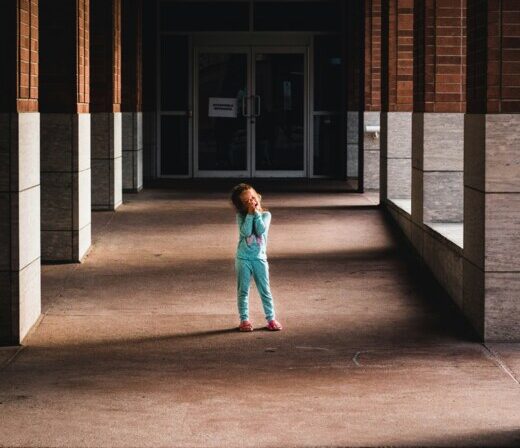

I often wonder about my future grandchildren, if and when we are blessed with their arrival. What kind of society will they inherit? What pressures will they face simply for being who they are?
We are living through a cultural clash between what is widely perceived as “normal” and what is deemed strange, questionable, or unacceptable in religious and social terms. Today, people (young and old) are interrogated about their race, origins, abilities, desires, and sexuality. Never before, however, have we so aggressively questioned what someone is: their gender, their identity, their very sense of self before the world.
My grandchildren may be different from others. Perhaps they will act or interact in ways that fall outside traditional expectations: less aggressive, less traditionally masculine, or simply more expressive. Labeling people for their differences is nothing new. History reminds us of times when race-based prejudice justified oppression, subjugation, and exploitation. Most rational people now recognize that as profoundly wrong. Yet, the impulse to categorize and punish differences persists.
What if a future grandson of mine dislikes sports, prefers books, and feels more comfortable among girls than boys? What if he is labeled a “nerd,” or worse, targeted for not fitting a narrow ideal of masculinity? What if a granddaughter prefers men’s clothing, or resists traditional gender roles? Social norms have long dictated that boys pursue girls and girls respond in kind. When those scripts fail, confusion follows, and confusion often gives way to judgment, accusation, and pain.
Imagine a child walking into a religious institution already aware of the judging stares surrounding them. If such scrutiny is difficult for adults to endure, how much more damaging is it for a young person still forming their sense of self?
Schools are now expected to help children navigate realities their parents may struggle to understand or accept. In response, educational institutions are increasingly under attack from politically and religiously motivated groups seeking to control curricula, restrict discussion, and dictate acceptable identities. Censorship grows under the banner of protecting children from “temptation.” Teachers lose jobs for beliefs or actions outside their classrooms. Social media amplifies differences instantly, branding people as “weird,” “dangerous,” or “sexually deviant” with alarming speed.

It is often said that harmful and negative messaging spreads more widely online than constructive, or compassionate content. This claim needs evidence, but its emotional truth resonates outrage travels faster than care. Words and images hold immense power. History shows us this, from propaganda to revolution. The same forces that can tear down walls can also destroy individuals.
I can withstand accusation and threat. They roll off me like rain, but what about sensitive children? What about adults without support systems? Many suicides occur after sustained personal attacks, when individuals feel trapped and voiceless. This is a lived reality.
America, in particular, must reckon with itself; why it exists and whom it claims to serve. Public support for political leaders and celebrities accused of misogyny, dishonesty, or abuse signals a troubling erosion of shared moral standards. Admiration without accountability corrodes the social fabric.
Religion matters. It has shaped civilizations and personal ethics for millennia. No institution is immune to manipulation, and no message is safe from distortion.
So, I return to my original question: Will my grandchildren grow up surrounded by kindness, discernment, and courage? Or will they be consumed by misinformation, fear, and propaganda that circulate endlessly online and seep into daily life?
The challenge is not coming. It is already here.
Stay in the loop with exclusive news, stories, and insights—delivered straight to your inbox. No fluff, just real content that matters. Sign up today!