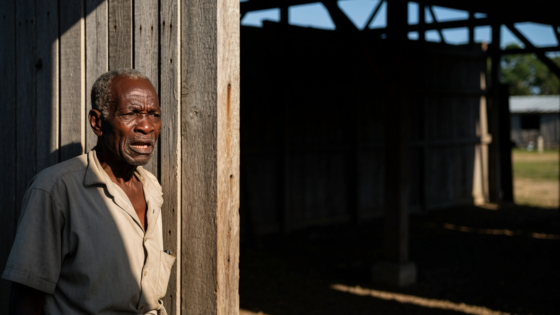



The devastation across Jamaica, Haiti, and Cuba after Hurricane Melissa was real and close to home. For those of us in Toronto’s Caribbean diaspora, it wasn’t just the WhatsApp messages, or the social media footage circulating; it was the way the news anchors spoke of “impending devastation,” as if it were a far-off event, detached from our lives here. Climate change is starting to feel real. It is here, and it directly affects us all, beyond the Caribbean region.
Many in the diaspora are familiar with storms. They’ve felt the zinc shake, seen floodwaters swallow roads, and watched communities rebuild from almost nothing. Yet, this time, the experience was marked by dissonance; watching from Toronto made us anxious, as mainstream coverage’s lack of empathy and the noise of mis/disinformation drowned out compassion. Meanwhile, the eerie quiet of people who didn’t fully understand what loss and displacement look and sound like in the Caribbean added to the sense of unease.
Disaster was unfolding, yet so much of the public conversation missed the humanity. For some, it became fodder for conspiracy theories, added to the noise of “keep your land” campaigns. Many of us found ourselves caught in another kind of storm, one of distrust, exhaustion, and fear. The warnings about neo-colonial humanitarianism, especially with the rise of “disaster vultures,” investors who take advantage of displaced people buying their homes and land for profit, which is not entirely unfounded. They provoke a constant anxiety that adds another layer to our distress. A double exposure of worrying for family back home while absorbing the emotional violence of narratives suggesting our Caribbean countries are doomed, that our people are naïve, or that someone else must save us. The pressure of sorting truth from manipulation and managing grief and suspicion simultaneously is invisible but immense.
Diaspora stress results from a combination of emotional, political, historical, and ongoing factors.
So, while others joked about “parties during a hurricane,” forgetting that ‘tek serious ting mek’ has always been part of who we are, a gallows humour born of survival, a kind of cultural larceny, stealing back joy in moments meant to break us, like disasters. Humour has always been a way to remain human during difficult times, rather than a sign of indifference.
Yet, the storm’s emotional and financial weight travels across borders. Diaspora families absorb the shock through remittances, sleepless nights, and constant worry, all while navigating the cost-of-living crisis here in Canada. The quiet withdrawal of people whispering, ‘mi just caan tek it,’ because these compounding stressors take a measurable toll on our health, including elevated blood pressure, anxiety, depression, burnout, and even physical exhaustion that health systems rarely recognize as climate-linked.
Many of us found ourselves caught in another kind of storm, one of distrust, exhaustion, and fear.
Diaspora health inequities appear to be invisible, cumulative, and largely unacknowledged in policy conversations. When public health frameworks discuss “disaster response,” they seldom account for those living in two realities: the one they inhabit, and the one they cannot stop caring for. The stress of displacement and caregiving from afar is an under-studied factor influencing health and warrants greater attention from Canadian institutions that claim to prioritize equity.

This is especially important given that Canada has one of the highest immigration rates per capita in the world, with over 23% of Canada’s population comprised of immigrants (foreign-born individuals, excluding second and third generations and beyond, who maintain strong ties to their country of origin), with nearly half a million newcomers arriving each year.
So, we need to rethink what wellness means within diasporic contexts. Healing is collective. This happens in community kitchens, church halls, wellness circles, music nights, fetes, and carnivals. These are cultural expressions that serve as health infrastructures, requiring funding, partnerships, or recognition, and should be part of how public systems understand resilience and resistance.
When disasters strike, whether in Jamaica, the Philippines, or Sudan, they ripple through our multicultural communities, like Toronto. People carry the storm inside them even as they show up for work, manage children, or attend classes. Compassion, grace, and culturally responsive mental health support are community health necessities.
Our connection to home doesn’t end when we migrate. It’s in our heartbeat, our stress, our dreams. And every time the wind rises across the Caribbean and beyond, the storm finds us here too.
Stay in the loop with exclusive news, stories, and insights—delivered straight to your inbox. No fluff, just real content that matters. Sign up today!