

It starts with a question that many of us have yet to fully ask; who truly controls the space where our voices rise: the streets, schools, churches, and public squares of Toronto? There’s a hidden story behind the city’s new “bubble bylaw” passed in 2025, a story that intertwines with global promises and local realities.
This law, on the surface, protects vulnerable spaces from disruption by keeping protests 50 metres away from sites like: schools, places of worship, and daycares. A simple idea, right? Pause here; what happens when “protection” becomes a barrier? When safety measures quietly shape who is heard, and who is silenced?
The bubble; A visible line, an invisible barrier
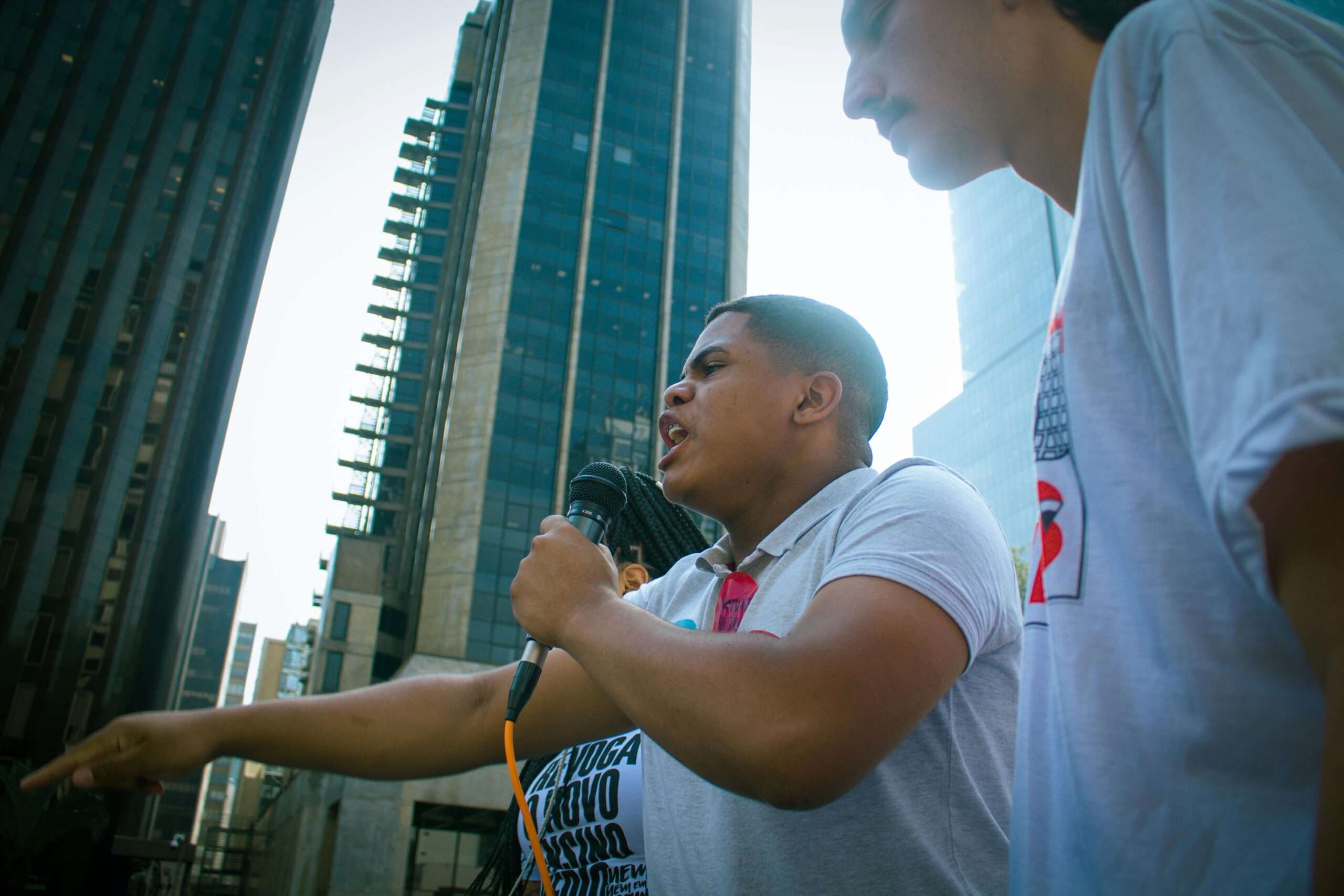
On paper, the bubble bylaw seems straightforward: it creates a 50-metre “exclusion zone” around vulnerable sites such as: schools, daycares, and places of worship where protests cannot happen. The city framed it as a protection for children and the vulnerable, but probes beyond the surface reveal a wall that threatens to mute cries for justice on issues like police violence, housing, immigrant rights, and broader social equity.
This is an emotional and political chasm. Community consultations showed nearly two-thirds opposed the bylaw, with many saying it criminalizes dissent and chills the right to peaceful protest. Despite vocal opposition, including from equity-rights groups like Black Lives Matter and 2SLGBTQ+ organizations, it was passed.
Behind the curtain; The shape of public opinion
Why did this happen? It’s a reminder that narratives are powerful tools for shaping acceptance, or silence. By couching the bylaw in terms of “safety,” the city guided public opinion toward acquiescence.
Yet, those on the frontlines of protest feel this law disproportionately targets Afro/Indo Caribbean and racialized communities. As one community leader told me, “This is a message about who is seen as a threat when we speak up.”
Social data back this up: police are nearly three times more likely to intervene in peaceful protests led by Afro/Indo organizers than in others. Critics, including the Canadian Civil Liberties Association, warn that the bylaw risks infringing on Charter rights without addressing root causes of hate or violence.
Agenda 2030 and Toronto’s contradictions
Now, consider this against the backdrop of Agenda 2030; the United Nations’ global call to “Leave no one behind.” Toronto champions bold initiatives like TransformTO, aiming for net-zero emissions and sustainable inclusivity. Yet, here, local laws and lived realities seem to contradict those goals.
How can a city commit to equity and inclusion internationally while erecting local barriers that marginalize Afro/Indo, Indigenous, and racialized voices? This contradiction stings deeply for Toronto’s Afro and Indo/Caribbean communities. The bylaw lays bare the persistent gap between aspirational frameworks and everyday experience.

Agenda 2030, heralded as a bold blueprint for global sustainable development, promises a world where no one is left behind targeting: poverty, inequality, environmental degradation, and health for all. Yet, beneath its visionary goals lies a striking tension: How can such an ambitious agenda claim progress while glaring contradictions undermine its promises? Digging deeper reveals that world leaders, consciously, or not, often shape narratives to protect their own interests ensuring their countries and status are preserved, even as vulnerable populations continue to struggle.
One major contradiction lies in the agenda’s heavy reliance on quantitative targets and data-monitoring. While reports overflow with numbers showcasing “progress,” these often obscure structural causes of poverty and inequality. Rather than digging into the deep-rooted: economic, political, and historical systems that perpetuate disparities, the agenda can become a showcase of surface-level wins. This allows governments to demonstrate commitment without truly transforming troubling realities
Adding fuel to the fire; The vaccine debate
Just as tensions over protest rights simmer, another local controversy has stirred strong emotions; Toronto Public Health’s push to remove religious and philosophical exemptions for vaccines in schools.
For many families in Afro and Indo/Caribbean communities, this is an emotional collision of: faith, identity, and protection. The city argues this step is vital for safeguarding vulnerable populations amid declining immunization rates. Yet, for others, the move feels like a loss of personal and spiritual autonomy, magnified by a history of mistrust toward health institutions that have too often failed racialized populations.
Walking the tightrope between trust and authority
This issue reveals a psychological tension many face, balancing trust in public institutions with the need for cultural respect and autonomy. How can authorities mandate health measures while building real rapport with communities that have historically been marginalized? It’s a question Toronto, and Afro and Indo Caribbean residents, grapple with daily.
World leaders and international institutions wield significant power in framing how the world perceives progress on the SDGs. Often, narratives highlight optimistic projections, success stories, and incremental gains while downplaying stark failures and critiques from grassroots movements. This narrative control functions as a shield, protecting reputations, legitimizing regimes, and maintaining geopolitical influence.
It is also a strategy to manage public expectations. By focusing on data-driven “wins” and high-level conferences, leaders craft a sense of forward momentum, even as meaningful on-the-ground change remains elusive. This serves to pacify criticism and sustain donor enthusiasm, which in turn secures ongoing funding and political capital.
Your voice at the center
This story is an open loop inviting everyone to participate in the ongoing conversation about power, justice, health, and belonging. Community stories are rich with emotion, history, and resilience. The bubble bylaw and vaccine exemption debate shows what is at stake, which is the very space communities occupy to be: heard, seen, and protected.
In community journalism, we bring the emotional truth forward, modeling how we can process conflict, seek understanding, and carve out common ground.
An invitation to engage and act
What can you do? Write, speak, advocate. Join conversations with leaders, amplify marginalized voices, and demand that policies respect complex realities. Exposing these contradictions is crucial. The global goals must be matched by political courage to challenge entrenched power structures and prioritize the voices of those historically excluded.
Transparent storytelling and grassroots-led data can break through sanitized narratives, illuminating the true state of progress, or lack thereof. Communities need platforms where their lived realities shape policies directly, moving beyond “top-down” frameworks shaped by self-interested elites.
The takeaway: A city and community evolving
The bubble bylaw may have drawn a physical boundary, as well as draw attention to other ways that our government is shrinking our freedoms. It also marks a moment of awakening. It challenges us to think deeply about who shapes public space and whose voices are privileged.
Similarly, vaccine policy debates underline the need for more than top-down decisions; they call for partnerships built on: trust, dialogue, and understanding.
Together, the Afro and Indo Caribbean communities of Toronto stand at a critical juncture balancing assertive advocacy with openness to healing. This is the journey at the heart of community empowerment.
Stay in the loop with exclusive news, stories, and insights—delivered straight to your inbox. No fluff, just real content that matters. Sign up today!