

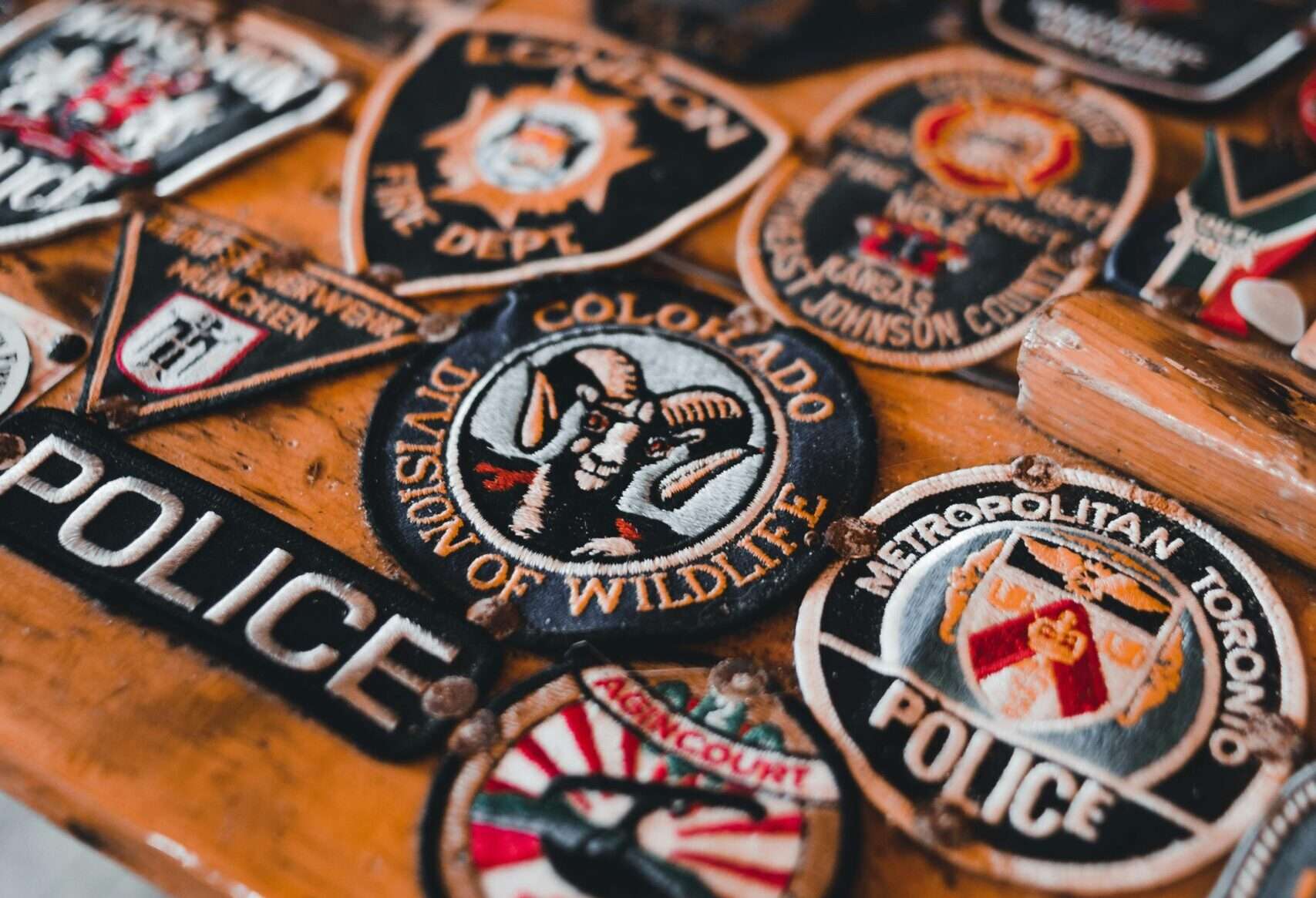

The public often believes police have evolved into better civil servants, peace officers, and mentors for youth, but perception is not reality. When you look closely at how most police academies operate, little has shifted in decades.
Across the United States, police academies follow a military-style model taught by former soldiers. Recruits are measured less by compassion and more by obedience, physical attributes, and firearms training. Candidates must take orders without question, meet rigid body requirements, and prove themselves skilled shooters. Fluency in languages, or psychology may be valued, but only as secondary traits. Advancement continues to favour men over women, particularly in the U.S., where female officers remain underrepresented in specialized units and leadership roles.
So, has the public gained a better relationship with police? In much of Latin America, the answer is no. Police forces are often viewed as political enforcers rather than protectors. In the Caribbean, many departments operate as para-military arms of political parties. In countries such as: Grenada, Jamaica, and Trinidad & Tobago, “To Serve and Protect” has come to mean serving business elites and shielding those in power.
The promises sparked by the Black Lives Matter movement have largely gone unfulfilled. Hiring a Black commissioner may create headlines, but it does not erase the fact that most officers are trained under the same militarized model, motivated by the same incentives, and shielded by the same systemic protections.
Policing has become less about public service and more about career security. Officers enjoy high salaries, benefits, and pensions. Many retire early and move into private security, para-military contracting, or corporate protection. In Grenada, ex-officers often transition into politically connected financial institutions. In Canada, many join private security firms. In Mexico and South America, policing often merges directly with the military, leaving the public exposed to corruption, cartels, and political violence.

In countries like: El Salvador, Nicaragua, Brazil, and Haiti, gang warfare thrives, fueled by political and economic agendas. Ordinary citizens hide while their governments pour money into policing that defends wealth and power rather than protecting communities.
Americans worry about migration at their southern border, focusing only on higher taxes and border security costs. Yet the deeper crisis is global injustice. From Africa to Asia, from Latin America to North America, injustice anywhere continues to fuel instability everywhere.
As Archbishop Desmond Tutu warned: “If you choose to be neutral in situations of injustice, you have chosen the side of the oppressor.”
Police have not become the heroes society needs. Instead, they remain servants of privilege. When communities fear police, they also fear losing justice, equality, and accountability. True reform will come only when policing shifts from a warrior mindset to one of peacekeeping.
That means officers must focus more on victims than criminals, on prevention rather than punishment, and on building trust rather than enforcing power. When police approach their work as peacekeepers, society will attract recruits who want to serve with integrity. Only then will police and communities stand together, as us, instead of against each other in an endless us vs. them.
As Dr. Martin Luther King Jr. once said: “Injustice anywhere is a threat to justice everywhere.”
Stay in the loop with exclusive news, stories, and insights—delivered straight to your inbox. No fluff, just real content that matters. Sign up today!