

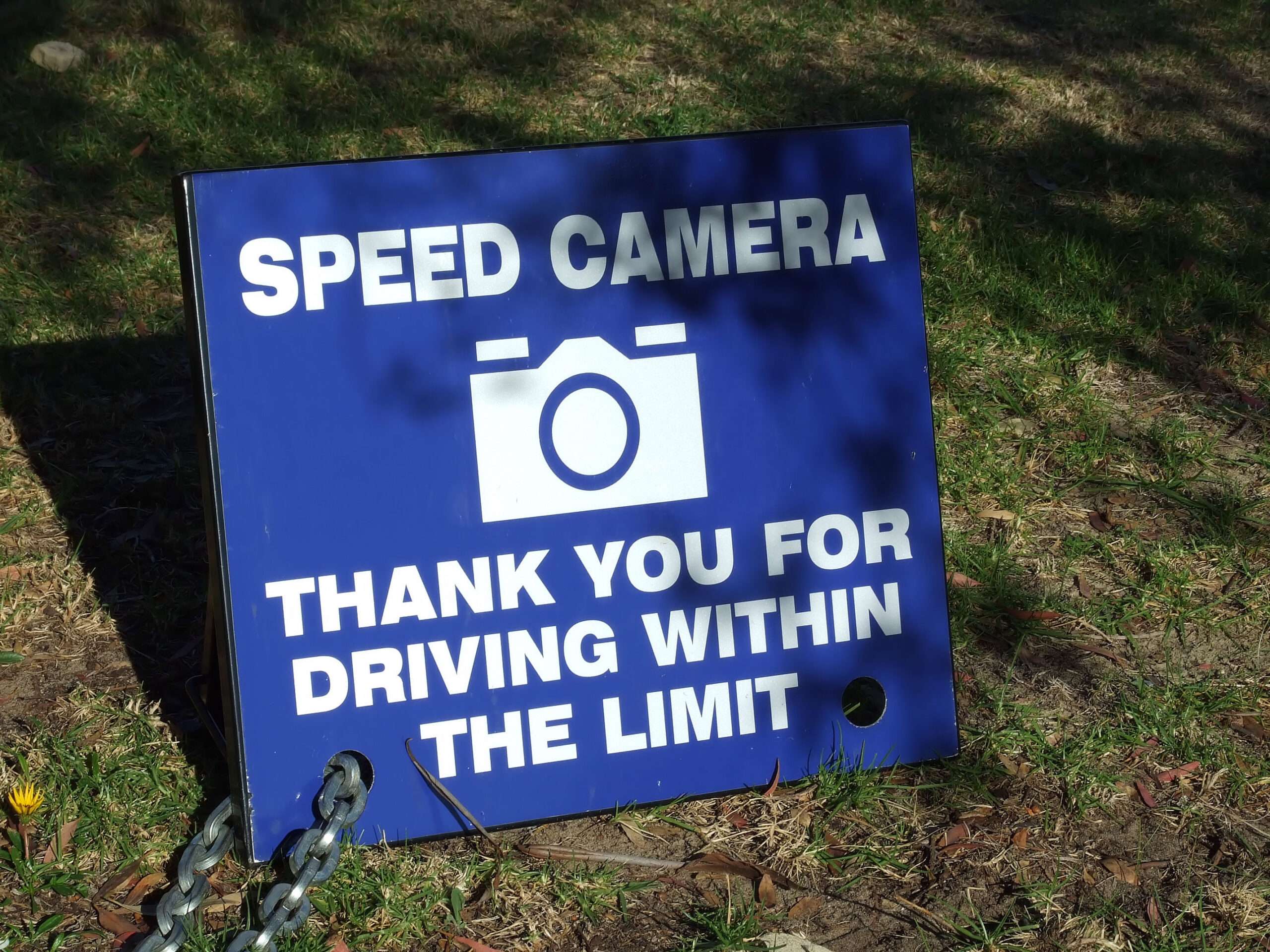

Ontario Premier Doug Ford has declared war on speed cameras, promising to table legislation that will shut them down across the province. He calls them an ineffective “tax grab” that frustrates drivers rather than keeps roads safe. Ford argues the cameras focus on generating revenue, not saving lives, pointing to cases where drivers were fined for only slightly exceeding limits, or where cameras were hidden behind poor signage.
Instead, his government plans to give municipalities money for other traffic-calming measures such as speed bumps and larger illuminated signs in school zones. The goal, he says, is to encourage safer driving without punishing drivers unfairly.
The move collides with research, police data, and municipal opinion.
A joint study by SickKids and Toronto Metropolitan University found that speed cameras in Toronto cut speeding by 45%. Even more striking, the biggest reductions came from vehicles exceeding speed limits by wide margins, the exact drivers most likely to cause fatal crashes.
Police leaders and municipal associations back the cameras, arguing they free officers to focus on serious crimes. A CAA Ontario survey shows the public agrees: 73 percent of drivers slow down near speed cameras, and more than half don’t resume speeding afterward. Overall, 73% of Ontarians support the cameras in targeted zones like schools and community streets.
Ontario isn’t the first province to wrestle with this debate. Alberta once had more than 2,200 speed cameras, but the provincial government cut that number to about 650. It banned cameras on highways and restricted them to school zones, playgrounds, and construction sites after critics branded them “cash cows.”

The fallout was quick. Municipalities reported more speeding and rising safety concerns on local streets. Vulnerable groups (especially children and seniors) faced higher risks. Road safety experts caution Ontario could see the same result if Ford follows Alberta’s path.
At least 22 Ontario mayors have urged Ford to reverse course. Brampton, for example, voted to keep its automated enforcement program despite the province’s direction. Local leaders argue removing cameras will fuel dangerous driving, especially in school zones.
The fight highlights a deep divide: Ford’s government sides with drivers tired of fines and skeptical of enforcement, while: municipal leaders, health experts, and police cite clear evidence that cameras prevent speeding and protect lives.
This is about what Ontarians value more: easing frustration for drivers or protecting communities from preventable harm. The debate reflects a bigger tension between public acceptance of enforcement tools and the hard data that shows they work.
As Ford moves ahead, the choice facing Ontario is stark. Remove cameras and risk more crashes or keep them and accept that safety sometimes comes at the cost of convenience.
As Marvin Ashton once wrote: “Becoming rich is an easy venture. The challenge lies in using wealth wisely for the world’s benefit.” The same could be said of power. The question now is whether Ontario will use its political capital to invest in safety, or gamble it away for short-term popularity.
Stay in the loop with exclusive news, stories, and insights—delivered straight to your inbox. No fluff, just real content that matters. Sign up today!