


BY SIMONE J. SMITH
In our modern world, technology is becoming a driving force behind learning and the development of curriculum. To achieve better results from learners, today’s educators are increasingly utilizing cutting-edge digital tools and strategies in their teaching methods.
With Michigan students falling behind in reading proficiency, the need for effective solutions has never been more urgent. A recent pilot study by Shoelace Learning, Michigan Virtual and the Michigan Elementary and Middle School Principals Association has demonstrated the powerful potential of gamified learning to improve literacy skills.
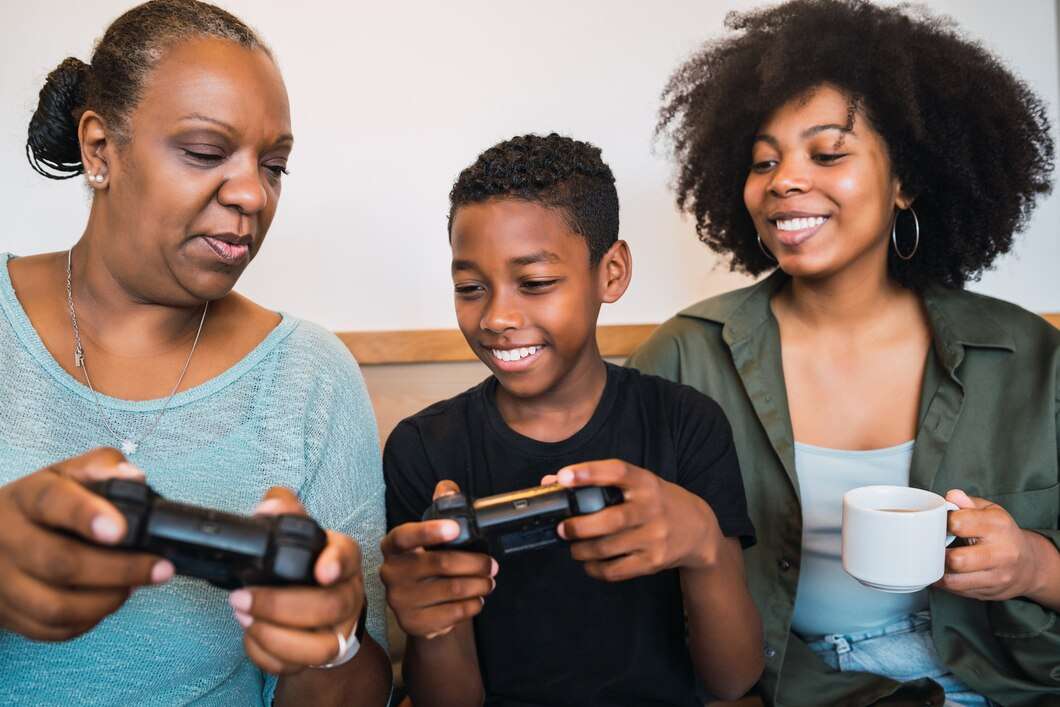
What is gamified learning you ask? Gamification is about applying gaming strategies to improve learning and make it more engaging for students at any age. Gamification for learning is beneficial, because games instill lifelong skills such as: problem-solving, critical thinking, social awareness, cooperation, and collaboration. Games also: motivate individuals, increase interest in certain subjects, reduce the rate of attrition among learners, improve grades, and enhance their cognitive abilities.
“The results of the pilot with Shoelace Learning clearly demonstrate that game-based learning can drive meaningful student engagement towards improvements in reading comprehension”
*Did you know?* The global gamification market’s estimated CAGR growth is 30%, around $31 billion, between 2020 and 2025 compared to 2019.
Anyone who knows me, will tell you that I always explore the psychology of any phenomenon, or experience. I did some research and found that gamification psychology is a field that studies the behavior of users in gamified systems. In other words, it focuses on how to understand and influence people’s behaviors through gaming methods. Studies have shown that the brain works in harmony with gamification, and that it triggers the release of dopamine, which gives players an increased feeling of motivation and enjoyment. So, for my parents, now you have some insight as to why your young ones are always sitting in front of their computers
Emotions can be a powerful tool for learning. They help facilitate encoding and retrieval of information more effectively, making the learning process much more efficient. Gamification creates an emotional connection between the content and students. It strongly influences the individuals’ attention, which makes them more receptive to learning.

Let’s dive a little deeper and look to understand exactly what is happening in our brains. The hippocampus is the part of the brain that controls the amount of information we recall or remember. It’s no surprise, then, that gamification helps students retain better what they’ve learned during class. Gamification stimulates the hippocampal memory, which helps promote the storage of new information into long-term memory. Dopamine, a neurotransmitter linked with learning and memory, is also released from the hippocampus, which helps maintain focus on a task.
The brain processes stories more effectively than it does a string of facts. For this reason, storytelling is a fantastic way of delivering new information to students.
Gamification greatly benefits from using this strategy, as games often include story-telling elements such as: background, characters, plot twists, quests, and more.
Did you know that endorphins are natural painkillers that improve relaxation, calm, and focus? I learned that they’re naturally produced by the body while playing games and performing other engaging activities. Games also encourage neuroplasticity, which is the brain’s ability to respond to different stimuli and develop new connections. This kind of training can: strengthen neural pathways, increase cognitive skills such as memory and attention, enhance creativity and problem-solving skills, and help prevent age-related cognitive decline.
Now that we have a better understanding of gamified learning, let’s take a look at the results of the study. Michigan Virtual and Shoelace Learning, an ed-tech company specializing in gamified literacy solutions, collaborated to explore how digital learning tools can enhance reading comprehension. Conducted in Fall 2024, the eight-week study assessed the effectiveness of Shoelace Learning’s interactive reading games in 13 Michigan elementary classrooms across six school districts, including Caro Community Schools, Comstock Park Public Schools, Howell Public Schools, Ludington Area School District, Three Rivers School District and Newaygo Public Schools.
Among students who engaged consistently in the pilot, 42% achieved reading gains equivalent to three, or more months of growth in just eight weeks, demonstrating the powerful impact of gamified learning on literacy improvement.
“Considering Michigan’s current reading scores, we need innovative approaches to literacy instruction more now than ever,” shared Ken Dirkin, Senior Director of the Michigan Virtual Learning Research Institute. “The results of the pilot with Shoelace Learning clearly demonstrate that game-based learning can drive meaningful student engagement towards improvements in reading comprehension. School districts across the state should explore innovative models like this that engage youth in game-based learning as a proven strategy for working towards boosting literacy outcomes.”
To track the efficacy of gamified literacy solutions, the pilot tracked student reading development, with classrooms aiming to play Shoelace games for at least 30 minutes per week. Over the course of the eight-week study, students demonstrated an average reading growth equivalent to one month, with 42% of those who played consistently achieving at least three months of progress. More than half of the students (58.7%) engaged in the recommended 30-minute weekly gameplay, 91% participated for at least five weeks, and 99.7% engaged with the platform at least once—highlighting strong engagement and promising literacy gains. The pilot far exceeded other gamified learning tools, where the industry average is 65% (compared to the 99.7% achieved here.)
Additionally, teachers overwhelmingly supported the pilot, with 76.9%, or more reporting improvements in: student confidence, comprehension, fluency, vocabulary, and overall enjoyment of reading. While many students participated, the pilot found that more structured guidance and teacher training to increase student participation would likely result in even greater literacy gains.
“As a parent myself, I created Shoelace Learning to help teachers and students like my own benefit from engaging, research-based reading interventions,” said Julia Rivard, president and CEO at Shoelace Learning. “As districts and schools continue to seek solutions to improve student literacy rates, partnerships like this offer a scalable, effective way to enhance reading instruction and position students for long-term success.”
REFERENCES:
Why attention spans are short and five useful tricks that show how online learning can improve them
Stay in the loop with exclusive news, stories, and insights—delivered straight to your inbox. No fluff, just real content that matters. Sign up today!