

Connect with us

Subscribe

Subscribe

Health & Wellness

How do you tell if the products and services being offered to you are worth your attention?

“Next time you see a health claim that sounds too good to be true, think of the snake oil salesman.”

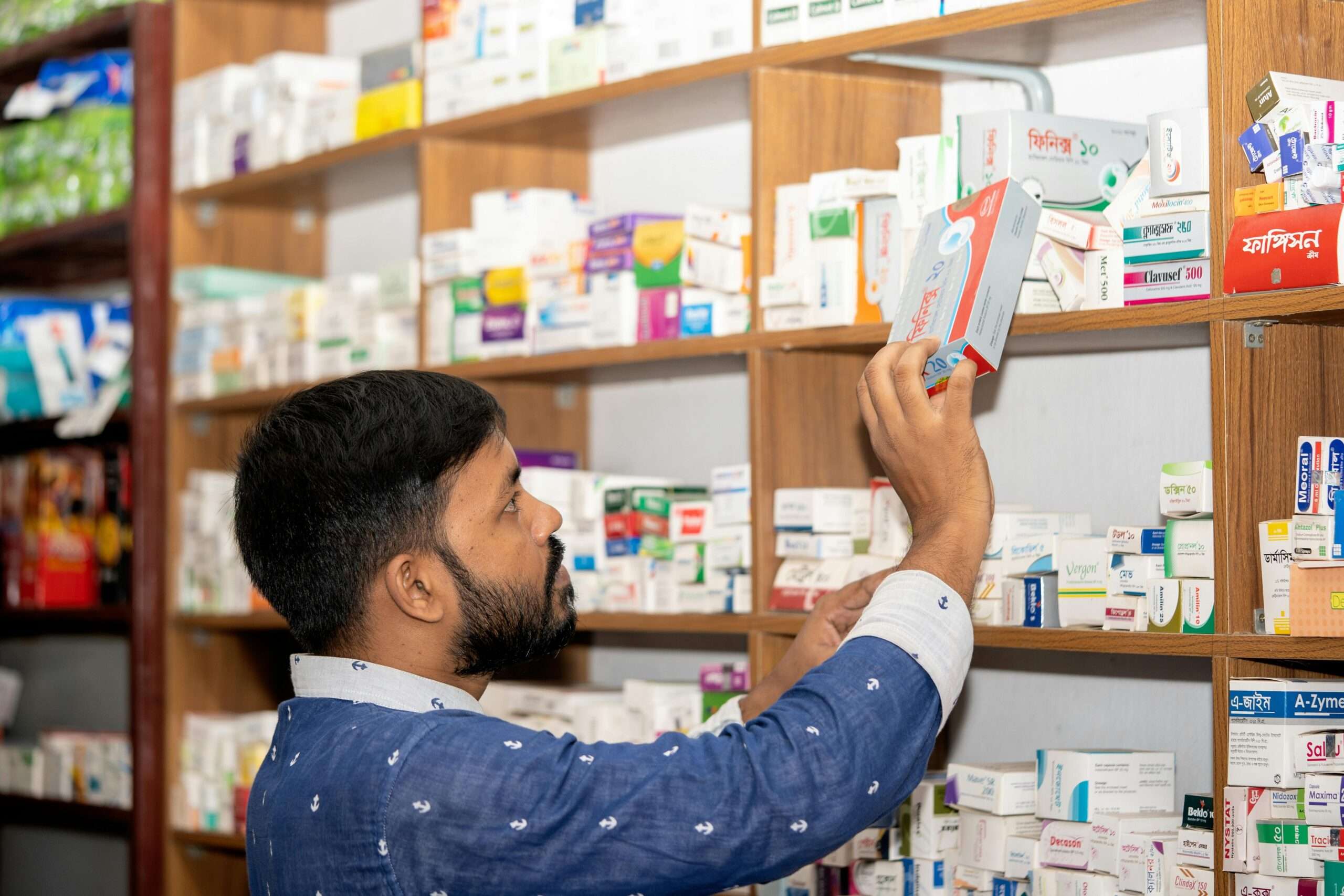
Photographer: Abdul Batin

There’s no harm in being gullible when the stakes are low, or when you are having fun. Being open to the incredulous is part of being a curious person, and playing along with a friend’s tall tale strengthens your connection while giving you both a good laugh, but in matters of your health, you don’t want to be so open-minded about cure-anything remedies that your brains fall out.

Clark Stanley was the self-proclaimed “Rattle Snake King” of the 1880s. He held live demonstrations in which he killed snakes in front of his audiences, then hawked bottles of snake oil with the promise to cure rheumatism, gout, headache, toothache, sore throat, indigestion, frostbite, partial paralysis, and his list goes on. He was finally charged as a fraudster in 1916 and fined a laughable $20, but for decades, a lot of people believed him.

Nowadays, con artists have a lot more tools for trickery, most notably a far more powerful marketing machinery, but their motive is the same: to get rich at your expense. So, how do you tell if the products and services being offered to you are worth your attention?

First, figure out who is doing the talking and what’s their motivation. Are you dealing with a product promoter, or with a health advocate respected by experts? Does someone credible answer your questions when you ask?

Second, look at the evidence yourself. If a product is backed by a single study with a dozen participants, or if a company doesn’t have any independent research to back their product claims, then be extra cautious.

Third, think about whether the product makes biological sense. If a product claims to detox your body, ask what toxins it removes, where they go, and how it’s different from the work your liver and kidneys already do all day long for free.

The intent here is not to suggest you need to scrutinize every detail of the health remedies on the market. That’s what food and drug regulatory bodies do. Rather, just run your purchases through a mental sieve. If a product fails on points one, two or three, then pause. You need to do more investigation before spending your money.

Here’s another thing. Don’t fall victim to the opposite problem. There are plenty of doctor-approved drugs, also prominently okayed by top health regulatory authorities, that may be effective, but they may not be the right choice. Why? There is a natural alternative that does the same job, but without the side-effects of pharmaceutical products. A perfect example is mild insomnia. Many people reach for prescription sleeping pills (like zolpidem/Ambien), or over-the-counter sedatives (like diphenhydramine/ Benadryl) to “knock themselves out,” when research shows non-drug approaches can work better, last longer, and avoid side effects.

Another example is chronic lower back pain. How grateful we are for ibuprofen, or other painkilling pills to ease the pain. Yet, strengthening core muscles and working on improved flexibility may resolve the problem, and the daily exercise will have so many other benefits for general health too.

The truth is, there are plenty of genuine health remedies that aren’t glamorous. They’re the boring, unprofitable things like moving your body daily, eating a variety of foods, sleeping enough, and building strong social connections. No influencer gets rich from telling you to take a walk with a friend.

The key to all this? Your own thoughtfulness.

Next time you see a health claim that sounds too good to be true, think of the snake oil salesman. The packaging has changed. Human gullibility hasn’t.

Newsletter Signup

Stay in the loop with exclusive news, stories, and insights—delivered straight to your inbox. No fluff, just real content that matters. Sign up today!


Dr. W. Gifford-Jones, MD is a graduate of the University of Toronto and the Harvard Medical School. He trained in general surgery at Strong Memorial Hospital, University of Rochester, Montreal General Hospital, McGill University and in Gynecology at Harvard. His storied medical career began as a general practitioner, ship’s surgeon, and hotel doctor. For more than 40 years, he specialized in gynecology, devoting his practice to the formative issues of women’s health. In 1975, he launched his weekly medical column that has been published by national and local Canadian and U.S. newspapers. Today, the readership remains over seven million. His advice contains a solid dose of common sense and he never sits on the fence with controversial issues. He is the author of nine books including, “The Healthy Barmaid”, his autobiography “You’re Going To Do What?”, “What I Learned as a Medical Journalist”, and “90+ How I Got There!” Many years ago, he was successful in a fight to legalize heroin to help ease the pain of terminal cancer patients. His foundation at that time donated $500,000 to establish the Gifford-Jones Professorship in Pain Control and Palliative Care at the University of Toronto Medical School. At 93 years of age he rappelled from the top of Toronto’s City Hall (30 stories) to raise funds for children with a life-threatening disease through the Make-a-Wish Foundation.  Diana Gifford-Jones, the daughter of W. Gifford-Jones, MD, Diana has extensive global experience in health and healthcare policy.  Diana is Special Advisor with The Aga Khan University, which operates 2 quaternary care hospitals and numerous secondary hospitals, medical centres, pharmacies, and laboratories in South Asia and Africa.  She worked for ten years in the Human Development sectors at the World Bank, including health policy and economics, nutrition, and population health. For over a decade at The Conference Board of Canada, she managed four health-related executive networks, including the Roundtable on Socio-Economic Determinants of Health, the Centre for Chronic Disease Prevention and Management, the Canadian Centre for Environmental Health, and the Centre for Health System Design and Management. Her master’s degree in public policy at Harvard University’s Kennedy School of Government included coursework at Harvard Medical School.  She is also a graduate of Wellesley College.  She has extensive experience with Canadian universities, including at Carleton University, where she was the Executive Director of the Global Academy. She lived and worked in Japan for four years and speaks Japanese fluently. Diana has the designation as a certified Chartered Director from The Directors College, a joint venture of The Conference Board of Canada and McMaster University.  She has recently published a book on the natural health philosophy of W. Gifford-Jones, called No Nonsense Health – Naturally!

Click to comment

Leave a Reply

Your email address will not be published. Required fields are marked *

Trending

Who protects journalists when truth becomes a death sentence?

News & Views

Rising Stronger: The Resilient Heartbeat of an Island Home

JamaicaNews

Black Excellence isn’t waiting for permission anymore; It’s redefining Canada

Likes & Shares

Over 100 global affairs workers expose systemic racism scandal

News & Views

Newsletter Signup

Stay in the loop with exclusive news, stories, and insights—delivered straight to your inbox. No fluff, just real content that matters. Sign up today!

Legal Disclaimer: The Toronto Caribbean Newspaper, its officers, and employees will not be held responsible for any loss, damages, or expenses resulting from advertisements, including, without limitation, claims or suits regarding liability, violation of privacy rights, copyright infringement, or plagiarism. Content Disclaimer: The statements, opinions, and viewpoints expressed by the writers are their own and do not necessarily reflect the opinions or views of Toronto Caribbean News Inc. Toronto Caribbean News Inc. assumes no responsibility or liability for claims, statements, opinions, or views, written or reported by its contributing writers, including product or service information that is advertised. Copyright © 2025 Toronto Caribbean News Inc.

Connect
Newsletter Signup

Stay in the loop with exclusive news, stories, and insights—delivered straight to your inbox. No fluff, just real content that matters. Sign up today!