

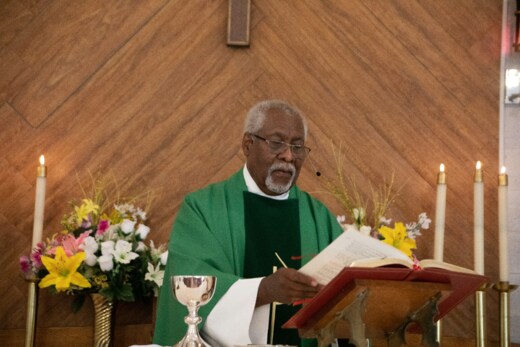

Pastors across Canada say they are not allowing fear to silence their preaching of biblical principles, even as public debates intensify around free speech, religious expression, and LGBTQ+ rights.
Recent discussions have centered on federal legislation and evolving interpretations of hate speech, with some religious leaders expressing concern that certain sermons (particularly those addressing marriage and sexuality from a biblical perspective) could be perceived as discriminatory or harmful under Canadian law.
For many churches, this creates a tension that is both legal and cultural. On one hand, pastors feel a responsibility to teach scripture as they understand it. On the other, they are navigating a society that increasingly prioritizes inclusion, protection from harm, and the rights of LGBTQ+ communities.
In particular, teachings on marriage and sexuality have become flashpoints. Some Christians maintain that biblical doctrine defines marriage and sexual ethics in ways that differ sharply from contemporary cultural norms. Others, including many theologians and faith communities, interpret scripture differently and affirm LGBTQ+ identities within their understanding of Christianity.
Despite these differences, some pastors argue that simply expressing a traditional biblical viewpoint is increasingly framed as hate speech, even when there is no intent to harm or target individuals. They see this as part of a broader shift in which disagreement is sometimes interpreted as hostility.
Critics of this perspective push back, arguing that language (especially from positions of authority) can contribute to stigma or harm, regardless of intent. For them, legal protections are necessary to ensure that marginalized communities are not subjected to rhetoric that undermines their dignity or safety.

This divide reflects a deeper question: where is the line between freedom of expression and protection from harm?
For centuries, many religions, including Christianity, have emphasized the importance of sharing their beliefs openly. Evangelism and preaching are seen as an invitation, one that individuals are free to accept or reject. However, in today’s cultural climate, such expressions are sometimes perceived as intrusive or as imposing beliefs on others.
Some Christians argue that this response is applied unevenly, suggesting that their faith is more frequently labeled as intolerant compared to other religious traditions. Others counter that the criticism is tied to specific positions that conflict with evolving social values.
Amid these tensions, pastors who hold traditional views say they remain committed to preaching what they believe scripture teaches, even if it risks backlash. They frame this as a matter of conviction rather than confrontation.
At the same time, legal experts note that Canada’s hate speech laws are narrowly defined and typically require a high threshold, such as the promotion of hatred against identifiable groups, before criminal penalties apply. The practical implications for sermons and religious speech remain a subject of ongoing interpretation and debate.
What is clear is that the conversation is far from settled. As Canadian society continues to wrestle with questions of identity, inclusion, and freedom, churches are among the many institutions navigating these shifting boundaries.
For some, this moment represents a necessary evolution toward greater equity and protection. For others, it raises concerns about the future of open dialogue and the ability to express deeply held beliefs without fear of legal consequences.
The outcome will likely depend not only on legislation, but on how Canadians choose to engage with one another across lines of difference, whether through polarization, or through a willingness to hold tension without silencing opposing views.
Stay in the loop with exclusive news, stories, and insights—delivered straight to your inbox. No fluff, just real content that matters. Sign up today!