
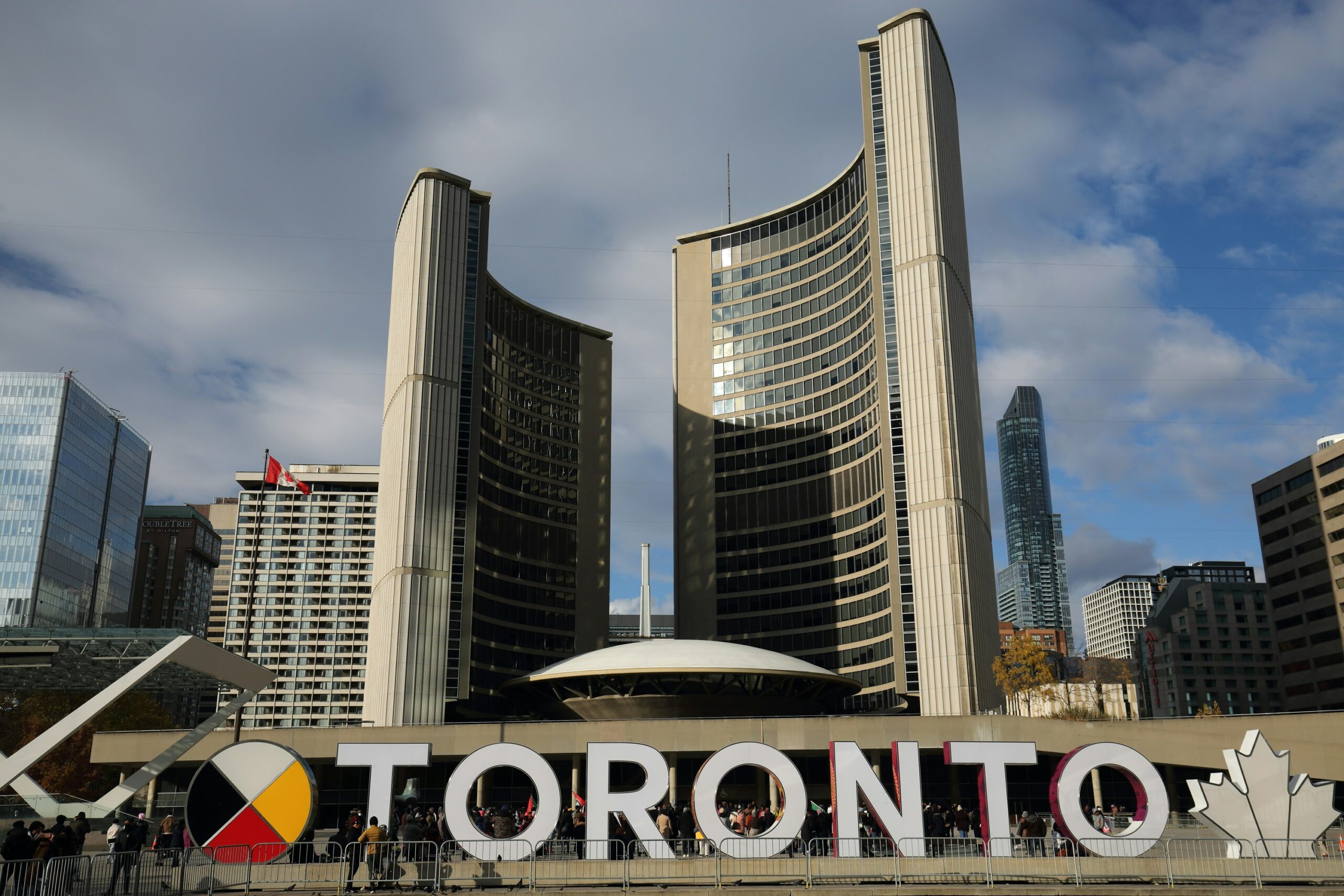

Toronto is once again arguing about taxes, but the bigger story is what those decisions mean for rent, housing, transit, and the cost of staying afloat in the city. What is confirmed is that Toronto has raised property taxes, increased development charges, adjusted the hotel tax, and kept relying on user fees and levies to fund city services and growth-related infrastructure.
The criticism aimed at Mayor Olivia Chow is rooted in real policy moves: Toronto approved a 9.5% property tax increase for 2024, with a city-building levy added on top of the base tax, and later increased the Municipal Accommodation Tax to 8.5% for a temporary period beginning June 1st, 2025. The city’s own documents also show that development charges for a single or semi-detached home rose to $143,409 effective May 1st, 2025, compared with $12,366 in 2009, though the exact policy path includes changes over multiple budgets and bylaws rather than one single jump. That is the verified starting point, and it matters because when city taxes rise, the cost often gets passed down into housing prices, rents, and business expenses.
These tax hikes prove Toronto is being run without discipline and that taxpayers are getting nothing in return. That is interpretation, not fact. It is also an advocacy frame that links tax increases to wasteful spending, pointing to examples such as the raccoon plaque, World Cup supplies, and SmartTrack overruns as proof of a larger pattern. Those examples may support a critique of fiscal judgment, but they do not by themselves prove that every tax increase is unnecessary or that every spending decision is reckless.
What remains open is whether Toronto’s rising charges are mostly the result of poor restraint at City Hall or the consequence of deeper pressure: infrastructure backlogs, housing shortages, transit costs, and long-standing demand for services in a growing city. The city says development charges help fund roads, transit, sewer, parks, emergency services, and other growth-related needs, which means those fees are also part of the financing structure for new development. That is why a serious reader should ask not only, “Why are taxes going up?” but also, “What exactly is being funded, who pays, and who benefits?”

Toronto has used tax hikes and levies before, and the pattern is not new to Mayor Chow’s administration. The city has a history of leaning on property taxes and development-related charges when budgets tighten, and the debate over whether that is responsible stewardship, or lazy governing has repeated across mayoral terms. That history matters because it shows this is not an isolated controversy. It seems to be part of Toronto’s long-running struggle to pay for itself without making the city less affordable.
This debate connects directly to housing because development charges can influence what it costs to build new homes, which affects supply, prices, and eventually rents. It also connects to transit, because stalled projects and over-budget station plans like SmartTrack reveal how public money can disappear into delay, duplication, and political promises. It connects to everyday safety and education because when the local government is under fiscal pressure, the same budget fight shapes police staffing, recreation programs, library hours, school-adjacent services, and neighbourhood maintenance.
This is really a story about who absorbs the cost of city life. Developers, tourists, homeowners, renters, and small businesses all get hit differently, but the burden often lands hardest on people with the least room to maneuver. The political spin says higher taxes are necessary to sustain the city; the opposing spin says City Hall is using ordinary people as the backstop for bad management. The deeper truth is that both can be partly true, which is why the public deserves transparent accounting instead of slogans.
Toronto voters should watch for one question above all: which candidate can explain where the money goes, what it buys, and how to keep the city functional without making it harder to live here. The real issue is whether the burden is fair, the spending is disciplined, and the results are visible in people’s lives. That is the test City Hall keeps asking residents to pay for, and voters should demand a better answer.
Stay in the loop with exclusive news, stories, and insights—delivered straight to your inbox. No fluff, just real content that matters. Sign up today!