

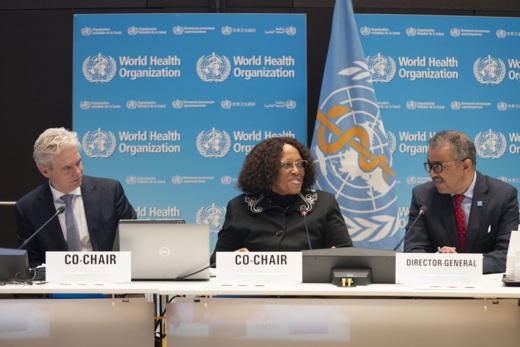

For four years, global health officials and international bodies have worked to negotiate a pandemic preparedness treaty, an agreement intended to strengthen how countries prevent, detect, and respond to future outbreaks. The effort, led through the World Health Organization (WHO), has drawn both support and sharp criticism from governments, advocacy groups, and segments of the public. There is good reason for that.
Supporters argue the treaty could improve coordination, transparency, and access to medical resources during global health emergencies. Critics, however, worry about national sovereignty, accountability, and how decisions would be made and enforced across borders.
At the center of the debate is a provision known as the Pathogen Access and Benefit-Sharing (PABS) system. The proposal would require countries to share data and biological samples more quickly in exchange for equitable access to vaccines, treatments, and diagnostics. While some nations view this as essential to global health equity, others remain cautious about how such systems would be governed and whether they could disadvantage lower-resource countries.
Negotiations have proven difficult. After extended talks and behind-the-scenes pressure, WHO member states agreed to continue discussions, pushing deadlines further into the future. The delay reflects ongoing disagreements over key provisions and the complexity of aligning 200 countries with different political, economic, and public health priorities.
Outside official negotiations, advocacy organizations have played an increasingly visible role. Groups such as CitizenGO and others have organized petitions, campaigns, and demonstrations aimed at influencing the outcome. Their efforts have contributed to heightened public awareness, though perspectives on the treaty vary widely across different communities.
Critics of the treaty often frame their concerns around government overreach and the potential for centralized decision-making during emergencies. They argue that public trust (already strained during the COVID-19 pandemic) must be rebuilt before any new global framework is adopted. Many point to the importance of transparency, clear limits on authority, and stronger democratic oversight.
Has anyone wondered recently how the same folks are rewriting the same COVID-19 playbook, disguising it as a new virus on a cruise ship? They even had the nerve to be introducing a vaccination. This is how unintelligent they believe the masses are. They are hoping that you, the citizens, forget all they have done over the last six years. All the: blood clots, heart attacks, aneurysms, strokes, and sudden deaths you have had to endure, all because of the “Safe and effective vaccines” they threatened many into taking. This is why this time they need a pandemic treaty to finish the job. No resistance is just compliance.

Public health experts, on the other hand, emphasize the lessons learned from COVID-19: delayed responses, unequal access to vaccines, and fragmented communication all contributed to avoidable harm. They argue that without stronger international agreements, the world risks repeating those same failures during the next global health crisis.
The broader conversation also touches on emerging issues such as digital health systems, data sharing, and economic resilience. While some view these developments as necessary modernization, others call for scrutiny to ensure privacy, equity, and voluntary participation.
What remains clear is that no final agreement has been reached. Negotiations are expected to continue through upcoming World Health Assembly sessions, with timelines extending into the coming years if consensus remains elusive.
For now, the pandemic treaty represents both an opportunity and a challenge: an attempt to build a more coordinated global response system, and a test of whether nations can find common ground in a deeply divided landscape.
As discussions continue, one thing is certain: public engagement, scrutiny, and informed debate will play a critical role in shaping the final outcome.
Stay in the loop with exclusive news, stories, and insights—delivered straight to your inbox. No fluff, just real content that matters. Sign up today!