
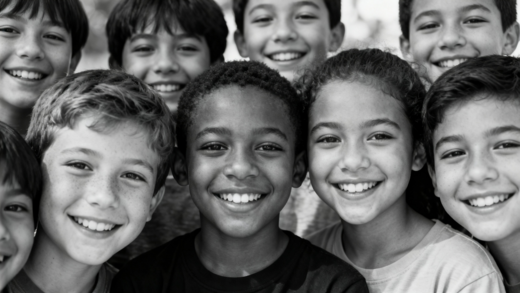

In a year filled with conflict, disasters, and political tension, 2025 still delivered powerful reminders that progress is happening all around us. Around the world, governments, communities, health workers, and young people themselves helped, to make sure there was meaningful progress being made for children. A new year-end review from Save the Children highlights ten major breakthroughs that made life safer, healthier, and fairer for millions of kids across the globe.
Together, these achievements paint a picture of a world moving, slowly but surely, toward greater protection and opportunity for children across the globe.
A major victory against child marriage
One of the most historic developments came from Bolivia, which officially banned child marriage. Before this law, over one in five girls were married before age eighteen, and thousands were pushed into adulthood far too early. The new legislation marks a major shift in Bolivia’s cultural and legal landscape. More than four million Bolivian children will now grow up under stronger legal protection, giving them a chance at education and childhood instead of early marriage.
A lift out of poverty in the United Kingdom
In the United Kingdom, a long-criticized policy known as the “two-child benefit cap” is finally coming to an end. Starting in 2026, low-income families will be able to receive support for all their children, not just the first two. Save the Children UK estimates that this change will lift roughly 450,000 children out of poverty, one of the largest poverty reductions moves the country has seen in years. The decision is a powerful statement that every child, regardless of family size, or circumstance, deserves equal value and care from the government.
Climate justice recognized at the highest level
Children also saw progress in the fight against climate change. The International Court of Justice issued an advisory opinion recognizing that climate change directly harms children’s rights. The ruling emphasized that governments must go beyond existing climate agreements and take stronger actions to protect young people from the growing dangers of climate change. Research released this year shows that if global temperatures rise to 2.7°C, tens of millions more children born recently will face extreme heat in their lifetimes.
Stronger laws for protection and safety
Legal protections expanded in several countries. Thailand became the 68th nation to ban all forms of corporal punishment, including in schools and homes, an important step in stopping harmful acts normalized in culture. In Somalia, the sanction of Africa’s only regional charter for children’s rights will now push the country to strengthen access to health care, education, and safety for children living in one of the world’s most unstable regions.
Health support in crisis zones
Conflict affected areas also saw progress. In November, a massive humanitarian flight carrying 40 tons of medical supplies landed in Sudan. The shipment included antibiotics, medical equipment, and therapeutic food, enough to support hundreds of health facilities for up to a year. This will help treat malnutrition, disease, and trauma in regions where children continue to suffer the consequences of war.

Communities taking action
Several stories highlighted the power of grassroots effort. In Ethiopia’s Somali region, local children’s clubs helped prevent hundreds of child marriages and cases of female genital mutilation by raising awareness through school activities and community theatre. In rural Zambia, trained volunteers used bicycles to visit remote villages, helping mothers access prenatal and postnatal care. Their work directly supported safer childbirth for hundreds of women and infants in 2025.
Science and innovation for healthier childhoods
One of the most surprising wins came from Laos, where over 130 million “Wolbachia” mosquitoes are being released to prevent dengue, a disease especially dangerous to children. These mosquitoes carry a natural bacteria that dramatically reduces the spread of viruses. Cities in Brazil and Indonesia have already seen success with this approach, offering new hope for countries battling rising dengue infections.
Faster disaster response for mothers and babies
Save the Children’s Emergency Health Unit also became the first NGO team to be officially verified by the World Health Organization as a specialist maternal and newborn emergency medical team. This recognition means that in disasters from earthquakes to floods, trained midwives, doctors, and nurses can respond more quickly to protect women and newborns who often face the highest risks.
As we look toward 2026, these ten victories remind us that even in difficult times, change is possible when communities, governments, and young people push together.
The world’s challenges are real, but so is progress especially when we choose to fight for children.
Stay in the loop with exclusive news, stories, and insights—delivered straight to your inbox. No fluff, just real content that matters. Sign up today!