


When the federal government introduced Bill C-9 — An Act to amend the Criminal Code (hate propaganda, hate crime, and access to religious and cultural places), it promised to make Canadians safer. But 37 civil society organizations say the bill may do the opposite.
In a joint letter released on October 6th, 2025, the coalition urged the government to reconsider. The groups argue that while the bill claims to protect communities from hate, it could erode Charter-protected freedoms and even criminalize peaceful protest.
According to the Department of Justice, Bill C-9 is designed to better protect access to places of worship, as well as schools, community centres, and other specified places. It also seeks to “address and denounce hate-motivated crime.” The proposed amendments to the Criminal Code include:
- Making it a crime to intimidate, or obstruct people accessing places of worship, schools, or community centres used by identifiable groups.
- Establishing hate-motivated crime as a distinct offence to ensure accountability.
- Criminalizing the promotion of hatred by publicly displaying certain terrorism or hate symbols.
- Defining “hatred” to clarify when conduct crosses into criminal territory.
- Removing the requirement for Attorney General consent before laying hate propaganda charges.
The two new offences (intimidation and obstruction) carry a maximum sentence of 10 years in prison, or two years less a day for lesser offences.
“In doing so, this bill would disproportionately harm the very communities it claims to protect.”
The bill draws on the Supreme Court of Canada’s existing definition of hatred, which focuses on “detestation or vilification.” It excludes mere dislike, disdain, or acts that offend, or humiliate. Legislators say codifying this language will bring clarity and consistency to hate crime prosecution.
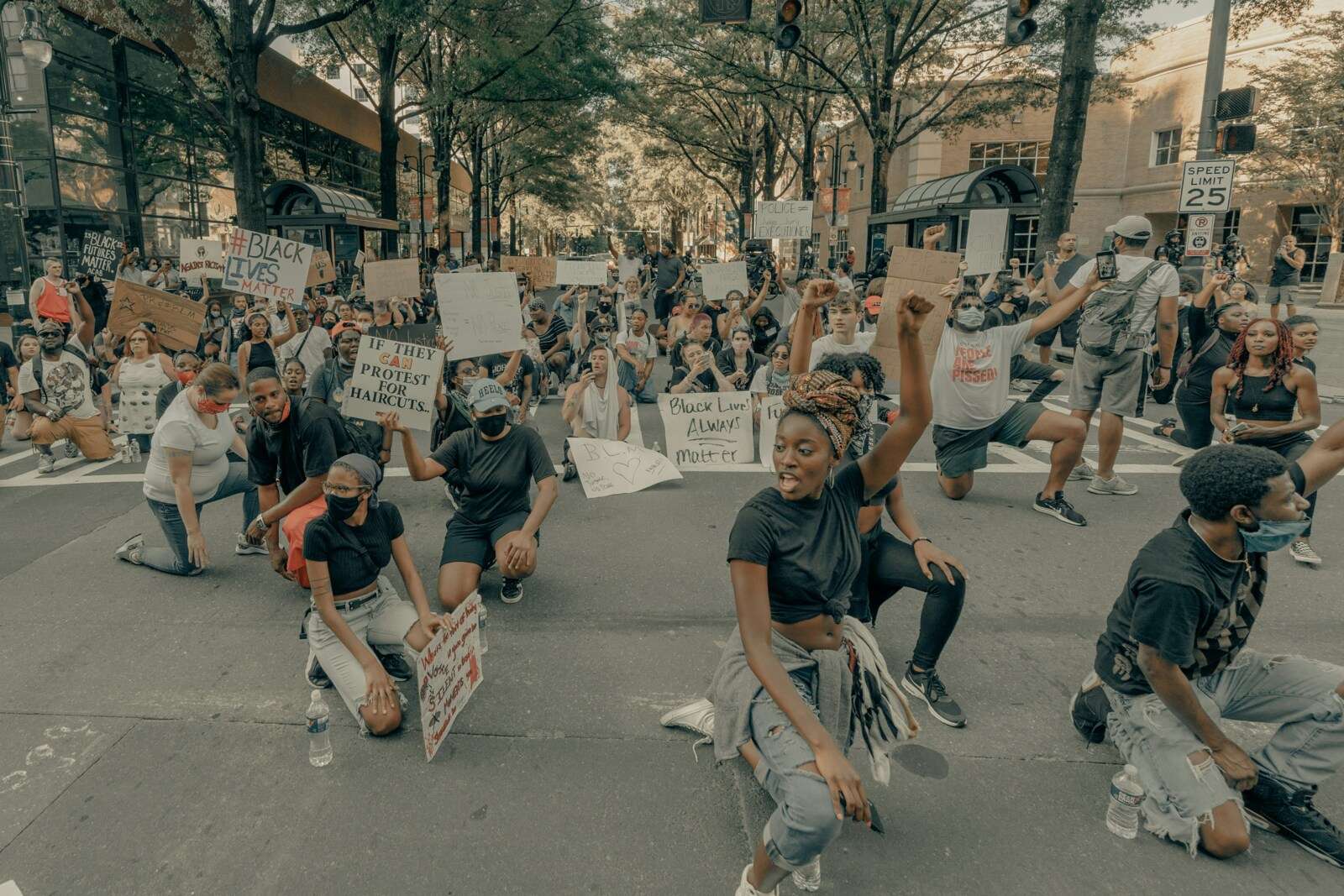
Still, the coalition warns that the bill’s language is too broad. The new intimidation offence, they argue, could suppress constitutionally protected expression and peaceful assembly. Ironically, the law could stop marginalized groups and workers from protesting outside their own institutions precisely the spaces where dissent matters most.

The signatories describe parts of the bill as “vaguely defined” and “devoid of clear safeguards.” They caution that linking hate speech to Canada’s terror list (a process with little transparency or appeal) risks sweeping up peaceful activists in its dragnet.
Another concern is the removal of the Attorney General’s oversight in approving hate propaganda charges. Without that check, the coalition says, the bill could open the door to selective enforcement, especially against groups already subject to disproportionate surveillance and policing.
Anaïs Bussière McNicoll, Director of the Fundamental Freedoms Program at the Canadian Civil Liberties Association, stated bluntly, “Bill C-9 risks criminalizing peaceful protests near tens of thousands of locations in Canada. In doing so, this bill would disproportionately harm the very communities it claims to protect.”
Howard Sapers, Executive Director of the CCLA, added that civil society groups from across the country are preparing to raise these concerns with Parliament’s Standing Committee on Justice and Legal Affairs, which is now studying the bill.
Despite the controversy, many believe the debate is far from over. The coalition’s appeal is not a rejection of hate crime laws but a call for balance protecting Canadians without eroding their right to protest, question, or dissent.
For now, the government faces a pivotal test: can it combat hate while preserving the democratic freedoms that define Canada?
Those who want to review Bill C-9 in full can visit the Department of Justice website at www.justice.gc.ca
Stay in the loop with exclusive news, stories, and insights—delivered straight to your inbox. No fluff, just real content that matters. Sign up today!