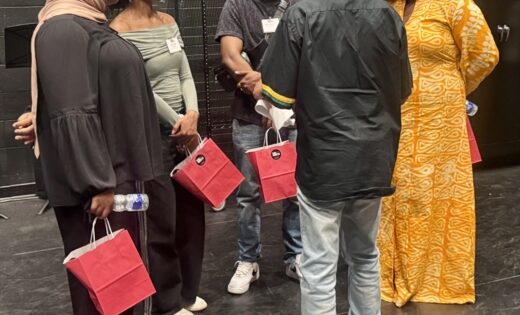

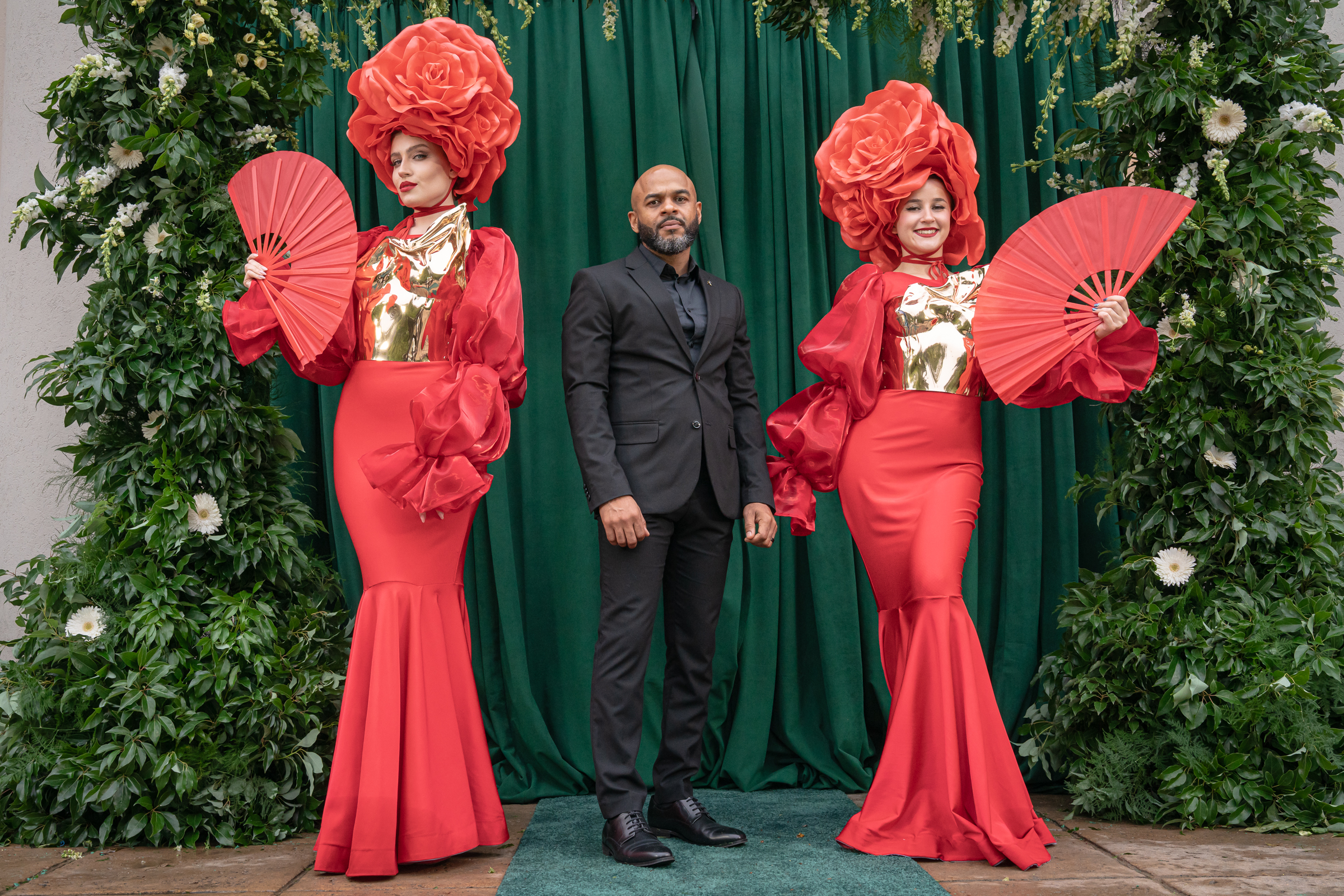

The Saturday rain was a threat; The Sunday rain was a baptism. As the mist settled over the mansion garden, the air grew heavy with the scent of damp earth and the electric hum of a culture finally ready to be seen. No one expected the shifting weather to be the very thing that solidified the energy, turning a simple opening day into a curated sanctuary where the water in the air made the garden party a perfect, visceral experience.
To some, this might be another week of runway shows; to me, this is a psychological reclamation of space. We are answering the unspoken question that haunts our creative class: why should we care about this moment, and what does it say about our collective soul? If we cannot answer that, the art dies on arrival, regardless of how well the silk is draped. Fashion Art Toronto 2026 is the intersection where education, mental health, and social justice collide with the unapologetic beauty of the African-Caribbean diaspora and beyond.
To understand the energy, you must look at the human anchors, the heroes who are weaving our new narrative. We see Ayimach Horizons, where Indigenous futurism meets ecological consciousness, reminding us that land and identity are inseparable. We feel the Perreo Couture of Leidy beibi, a Mexico City-born radical who corrupts the sacred with Sacred Trash, demanding that contradiction be recognized as its own form of power. These are psychological tools of war and healing.
The stakes are higher than a missed trend. If this movement fails, the world will continue to sleep on Toronto, never realizing that fashion here is not a luxury. We have been denied credit for too long, but look at Charlize Therrien, whose collection Remains uses animal bones and latex to explore what endures after decay. Or Tiina Sarayev, whose Power Struggle uses meticulously crafted corsets to expose the oppressive dynamics marriage can impose. They are demonstrating strength through vulnerability, a core tenet of the fashion council I keep.

As I walked through the Distillery Historic District, the textures were alive. I felt the musical rhythm in Jejune’s Replika collection, where coffee culture and the intimacy of familiar faces were translated into textile language, harmony becoming layering. I stood in the dark mystery of Wabanoonkwe’s Nocturnal Rose, where velvet and liquid satin created a cinematic runway experience that celebrated Anishinaabe romance.
The controversy here is simple: fashion has been a box, and Fashion Art Toronto is breaking it. Whether it is the sustainable vision of AB.0 reimagining the athletic uniform for women athletes on a basketball court or designers embracing all shapes, sizes, and orientations, the message is clear: the box is gone. We are using fashion to reposition our cultural narrative, captivating the reader and the spectator alike by refusing to be ignored.
This moment matters because it changes things for the next generation of fashion designers. It tells the creative soul who has been locked away that they can step outside. It tells the young talent that Toronto is not a steppingstone; it is the destination. We are building a future where more people flock to our city to witness the culture of couture and extreme fashion.
We are showing that when we embrace our most fashionable selves, we are at our most powerful. This is the Simone Effect: using emotional intelligence as a journalistic tool to ensure that when the lights go down at the East End United Gymnasium or the Distillery District, the energy remains. We have revealed something new about our culture this year: that we are here, we are beautiful, and we are finally in charge of our own story.
Stay in the loop with exclusive news, stories, and insights—delivered straight to your inbox. No fluff, just real content that matters. Sign up today!