

The Ontario government’s new restriction on medical residency applications has sparked outrage across the province. The policy limits first-round applications to students who completed at least two years of high school in Ontario, a rule that effectively shuts out thousands of internationally trained medical graduates (IMGs).
Mainstream media quickly picked up the story. The Globe and Mail ran a piece titled “Ontario Will Apply New Limits on Residency Applications from International Medical Graduates” on October 11th, 2025. That same day, The Toronto Star published “New Rule for Medical Residency Excludes Immigrant Doctors.”
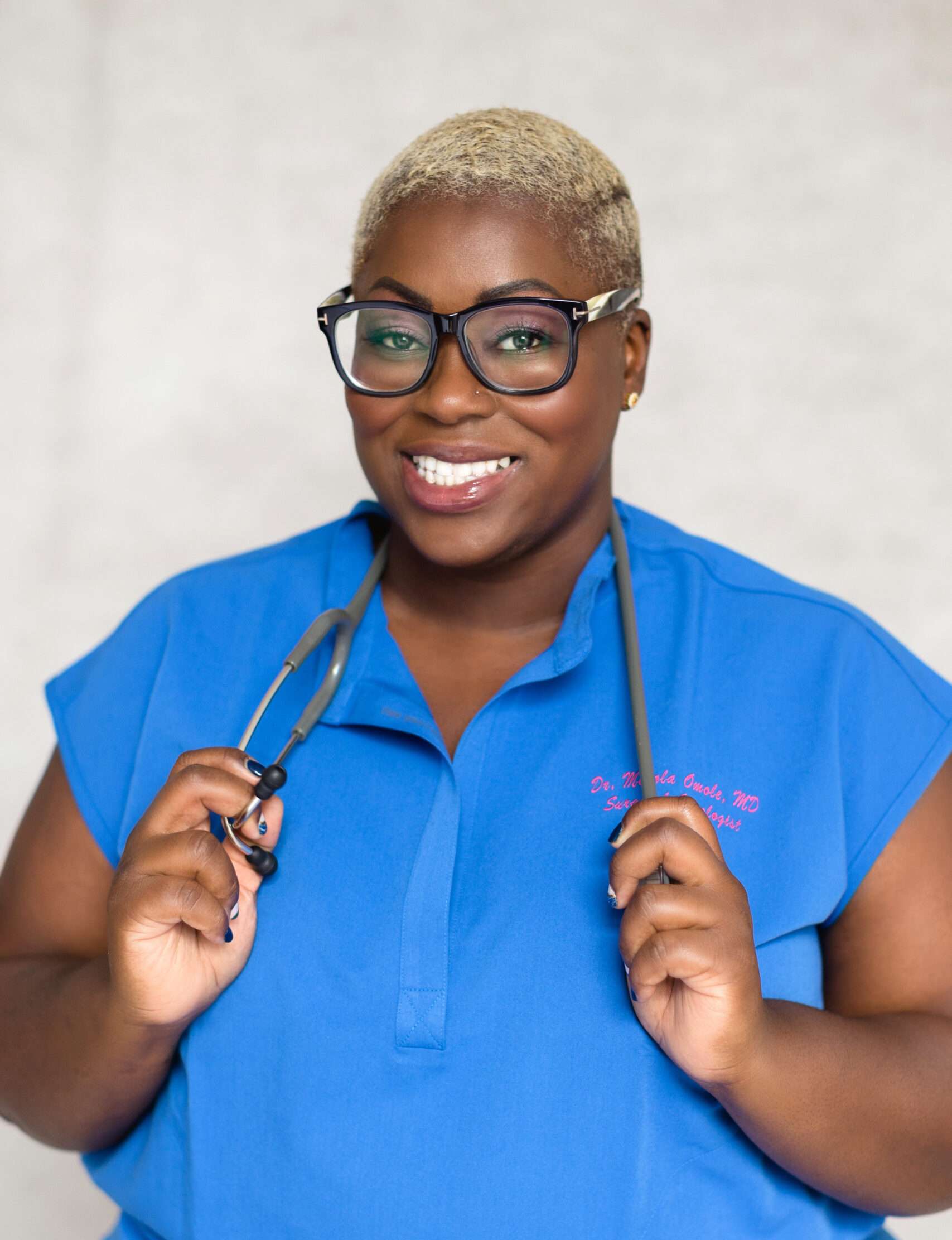
The Black Physicians’ Association of Ontario (BPAO) responded immediately through a message from its president, Dr. Mojola Omole, calling the move “restrictive” and “highly exclusionary.” The province’s official statement outlined that to qualify for IMG-designated positions in the first round, applicants must have attended an accredited Ontario high school for two, or more years. Exceptions apply only if a parent or guardian worked abroad with the Canadian Armed Forces, the Diplomatic Service, or Global Affairs Canada.
Dr. Omole condemned the new eligibility rule for its narrow scope and harmful timing. “This policy restricts eligibility in the first iteration to Canadian Medical Graduates and a narrowly defined group of Ontario IMGs,” she said. “Announced only six weeks before the match process, it has created deep distress among IMGs who’ve completed exams, prepared documentation, and built their plans to serve communities across Ontario.”
“Right now, more than 2.3 million Ontarians don’t have a family doctor”
The policy, she warned, will worsen Ontario’s already critical family physician shortage. “Right now, more than 2.3 million Ontarians don’t have a family doctor,” she added. “Data shows over 58% of IMGs applied to Family Medicine programs last year. IMGs must be included to help address this crisis.”
One IMG, Bahir Bakhit, a recipient of the BPAO’s HELP Scholarship, shared how support from the organization fuels his perseverance. “My journey to match into residency training in Canada is full of challenges,” he said. “With this scholarship, my goal of postgraduate medical training feels within reach. BPAO’s commitment gives IMGs like me hope for a fair future.”

The BPAO has launched a province-wide call to action under “How You Can Advocate for Policy Change.” The campaign urges Ontarians (from IMGs to community allies) to take four steps:
- Share your story
Record a 30-second video supporting equitable residency access for all medical graduates. - Sign the petitions
Petition 1: Demand Fairness in Ontario R1 Residency Applications
Petition 2: Stop the Unfair Exclusion of Immigrant Doctors in Ontario - Speak with the press
Physicians or residency applicants can share their experiences through BPAO’s media form. - Contact your elected officials
Reach out to your local MPP or MP to voice concerns about this policy.
Meanwhile, the Internationally Trained Physicians of Canada (ITPC) called on the government to:
- Reverse the directive and open the first iteration of CaRMS to all qualified candidates.
- Work with ITP-led organizations like ITPC to ensure equitable representation in future decisions.
- Publicly reject exclusionary measures and reaffirm Ontario’s commitment to diversity, equity, and inclusion — not through slogans, but through concrete action.
For now, the BPAO remains cautiously optimistic. While it continues to challenge this decision, it hopes the Ontario government will reconsider a policy that many see as discriminatory and short-sighted. The organization insists that inclusive healthcare is smart governance.
As Dr. Omole reminds us, “IMGs are part of Ontario’s future. They bring skill, dedication, and cultural understanding our communities need. It’s time our policies reflected that truth.”
Stay in the loop with exclusive news, stories, and insights—delivered straight to your inbox. No fluff, just real content that matters. Sign up today!