
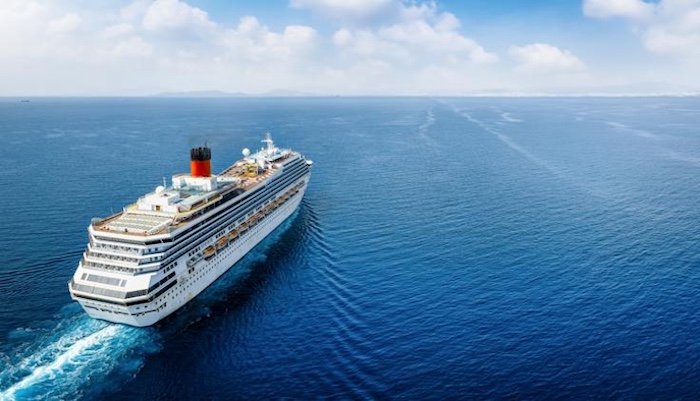

Nearly 150 passengers and crew are stranded aboard the Dutch-flagged expedition cruise ship MV Hondius, floating off Cape Verde in the Atlantic Ocean. What began as an adventure voyage has turned into a quarantine-at-sea after health authorities identified a suspected outbreak of hantavirus, a rare, rodent-borne disease that can cause severe respiratory illness.
At least three people have died, two cases are confirmed, and several more are suspected. The World Health Organization (WHO) is coordinating medevacs and investigations, but Cape Verde has refused docking permission, leaving the ship in limbo. This matters now because it raises urgent questions about global health security, human rights, and how nations respond when fear collides with science.
The Hondius sailed from Ushuaia, Argentina, catering to adventure travelers bound for polar regions. Somewhere along the route, possibly during cargo loading, provisioning, or land excursions, rodent exposure occurred. Hantaviruses are carried by wild rodents, shed in urine and droppings, and can infect humans when particles become airborne. The incubation period is long, up to 10 weeks, and early symptoms mimic flu or pneumonia. That means passengers may have boarded already infected, only for clusters to emerge later at sea. Investigators are weighing three scenarios: onboard rodent contamination, land-based exposure before embarkation, or limited human-to-human spread if the Andes strain is involved. None are confirmed, but the working model points to rodent exposure as the trigger.
The outbreak has transformed a luxury expedition into a floating isolation ward. Cape Verde’s refusal to allow docking reflects a public health calculus: protect the local population from a rare, potentially deadly virus. The decision effectively confines nearly 150 people (most of them healthy) without control over their movement. Two critically ill crew members require evacuation to the Netherlands, and a British passenger has already been airlifted to South Africa. Spain is the next likely destination, with Las Palmas or Tenerife prepared to conduct epidemiological investigations and disinfect the vessel. Until medevacs are complete and risks assessed, the Hondius remains marooned.

Inside the ship, precautionary measures are strict: masking, hygiene rules, cabin isolation for suspected cases. Reports describe the mood as calm, but tense. Families on land face uncertainty, with limited updates and unclear timelines for repatriation. The international mix of passengers 923 countries represented) adds layers of complexity, as multiple consulates and airlines must coordinate eventual returns. For those onboard, the psychological strain is real: they are trapped by an invisible pathogen and the politics of port-state risk aversion.
This episode exposes vulnerabilities in the cruise industry, where tightly controlled environments can still be breached by zoonotic disease. It highlights the challenge of containment when outbreaks occur in international waters, beyond the jurisdiction of any single nation. It raises human rights questions: does protecting one population justify confining another? Past cruise-ship quarantines during the COVID-19 pandemic drew accusations of dehumanizing treatment. Advocates are watching closely to see if this case repeats that pattern.
WHO and national agencies continue to investigate the source, arrange medevacs, and negotiate safe port entry. The most probable path forward is evacuation of the critically ill, followed by docking in Spain for full epidemiological work. The broader lesson is clear: rare diseases can surface in unexpected places, and the world’s response must balance science, diplomacy, and dignity.
If this happened in Toronto; if a ship carrying infected passengers were denied docking in Lake Ontario, would residents feel safer, or would they question whether fear had trumped compassion? That is the question Cape Verde, Spain, and the Netherlands now face in real time.
The Hondius outbreak is a microcosm of global health security: a rodent-borne virus crossing borders, a ship stranded between nations, and human lives suspended in uncertainty. It reminds us that pandemics are about people, politics, and the choices societies make when risk arrives uninvited.
Stay in the loop with exclusive news, stories, and insights—delivered straight to your inbox. No fluff, just real content that matters. Sign up today!