


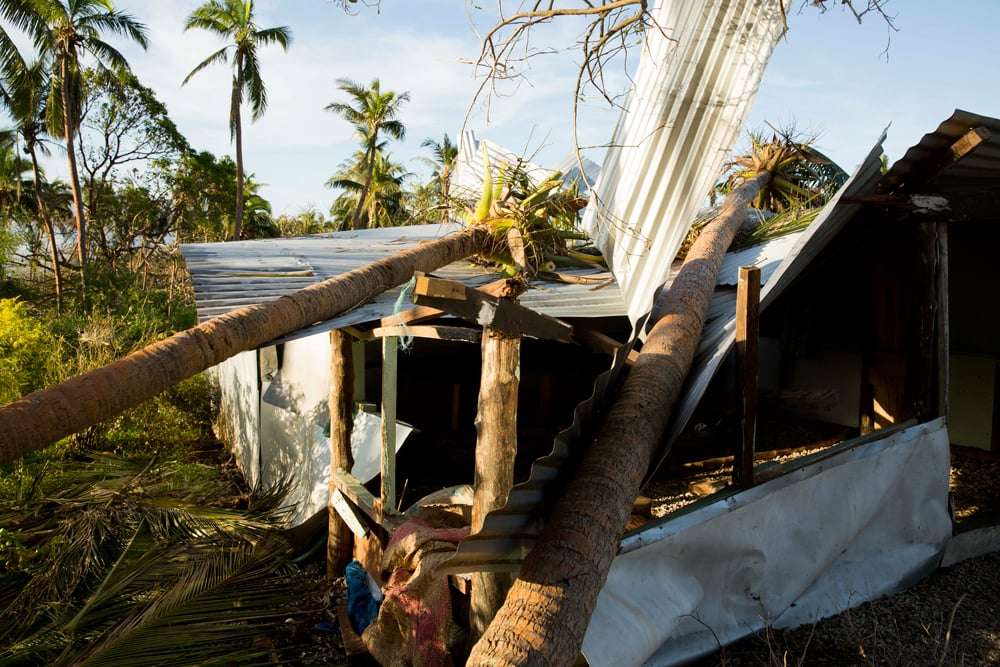

As dawn breaks over Jamaica, in many places the air hangs thick with the smell of saltwater and debris. Hurricane Melissa, a monstrous Category 5 storm, has carved a path of destruction across our beloved island, leaving communities to reckon with unprecedented devastation. The echoes of howling winds have been replaced by the somber silence of shock, as Jamaicans at home and abroad grapple with the scale of this catastrophe.
“The pictures don’t capture the smell; the damp earth mixed with shattered dreams,” shares Dr. Lincoln Edwards, President of Northern Caribbean University, who is witnessing the aftermath firsthand. His words, carried across digital networks, have become a lifeline for the diaspora hungry for authentic updates from home.
Jamaica’s government has declared the entire island a disaster zone, with early assessments suggesting damages comparable to or exceeding Hurricane Ian’s $112.9 billion USD impact in 2022. Yet, even amid this chaos, Jamaica’s advanced disaster risk financing system that has been developed through years of strategic preparation, is now serving as the backbone for coordinated recovery efforts.
The World Bank Group has announced a comprehensive assistance package ready for mobilization, combining emergency finance, potential catastrophe bond payouts, and private sector support. “Jamaica has developed one of the most advanced and comprehensive disaster risk financing systems in the Caribbean,” their statement acknowledges, recognizing our island’s resilience even in this moment of crisis.

From Canada, the Canada-Caribbean Institute has issued an urgent call for swift action. “We share the anguish of Jamaicans worldwide who are mobilizing to support their homeland,” emphasizes Dr. Rhonda McEwen, Co-Chair of the CCI. “Canada has long benefitted from the contributions of Caribbean communities. Now is the time to reciprocate with decisive action.”
The Institute has outlined specific recommendations for Canada’s response, including rapid funding to humanitarian organizations, military support through the Disaster Assistance Response Team, and evacuation coordination for stranded tourists. These proposals reflect recognition of the deep ties binding our nations.
For those wondering how to help, the Government of Jamaica has launched Support Jamaica (https://supportjamaica.gov.jm), an online platform centralizing relief efforts. The site hosts a National Needs List and facilitates financial donations directly to recovery initiatives. Additionally, the Jamaica Customs Agency has established emergencyreliefclearance@jca.gov.jm to streamline disaster relief imports.
“We all realize that this is more than just instant relief efforts,” reflects a community leader in Montego Bay, her voice steady despite the exhaustion. “This is about reclaiming our sense of security, our dignity, our future.”
As the Jamaican diaspora, our responsibility extends beyond financial contributions. We must bear witness, ensure accurate reporting, and maintain pressure on international partners to fulfill their commitments.
Together, we will build back stronger.
Stay in the loop with exclusive news, stories, and insights—delivered straight to your inbox. No fluff, just real content that matters. Sign up today!