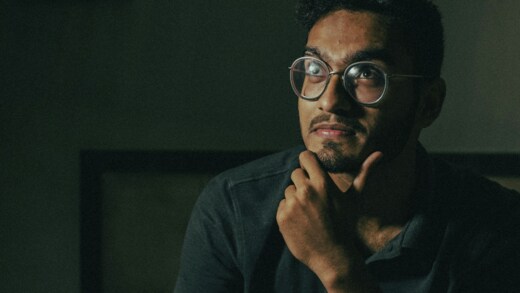

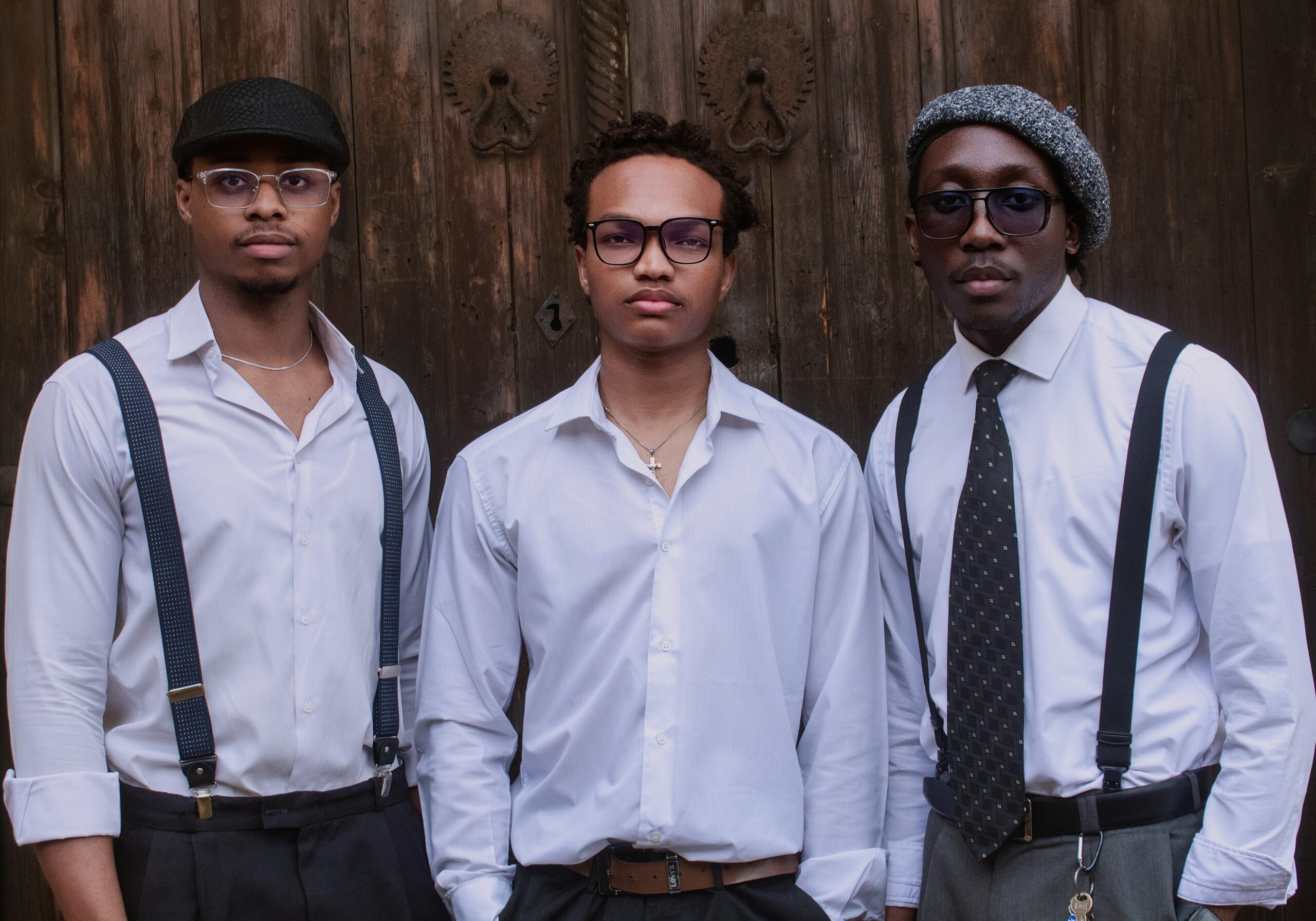

A lot of men are struggling.
They are waking up, clocking in, carrying families, paying bills, making jokes, staying busy, lifting weights, drinking, praying, smoking, scrolling, working, and disappearing emotionally all at once. From the outside, they look functional. Inside, many are holding together a life that is far more fragile than anyone can see.
That is the story too many people miss.
Men’s mental health is not just depression, and it is not just suicide. It is the hidden ways men survive pain when they have been taught that vulnerability is weakness, silence is strength, and suffering is simply part of being a man. In Canada, the U.S., Mexico, and the Caribbean, that lesson shapes how men love, parent, work, grieve, and break. For Afro- and Indo-Caribbean men especially, migration stress, racism, church culture, family duty, and respectability pressure can make that burden even heavier.
This Men’s Mental Health Month, the question I have is, what are men using to survive what they cannot say out loud?
Some men use work. Others use alcohol, weed, gambling, pornography, sex, the gym, control, anger, or total emotional shutdown. Some become high performers, so nobody notices they are falling apart. Some become distant; distance feels safer than being exposed. Some hide pain behind productivity, because being needed is the only form of worth they were allowed to claim.
That is why so many men are misread.
A man who is irritable may be depressed. A man who is reckless may be overwhelmed. A man who seems cold may be terrified. A man who is always “good” may be carrying grief that never got language. A man who looks strong may be living one disappointment away from collapse.
Too often, society only pays attention when the pain becomes public and dangerous. We notice men when they are violent. We notice men when they are drunk. We notice men when they are unemployed, incarcerated, hospitalized, or dead, but the damage usually started long before that moment. By then, the warning signs have been there for years.
Now, I want to talk a little bit about conditioning. Boys are often taught to suppress tears, hide fear, and turn hurt into toughness. They learn early that attention comes more easily when they are useful than when they are honest. As adults, many men carry that training into fatherhood, partnership, work, faith communities, and public life. They may know they are struggling, but they have no practice naming it without shame.

For Caribbean men and men across the diaspora, the pressure can be even sharper. Many grew up with messages like “Man up,” “Hold your head,” “Don’t embarrass the family,” or “Handle your business.” Those words can become a trap. They teach endurance without repair. They teach survival without softness. They teach men how to keep going, but not how to heal, and when the system reinforces that silence: through stigma, cost barriers, long wait times, work schedules, or culturally insensitive care, men learn that help is either unavailable or unsafe.
When people talk about men’s mental health, they often reduce it to depression and suicide. That is too narrow. Men’s distress often shows up sideways. It shows up as: substance use, rage, work addiction, emotional withdrawal, control, infidelity, chronic pain, risky behavior, or the refusal to slow down. It shows up in relationships as defensiveness, isolation, silence, or explosive reactions to small things. It shows up in communities as violence, abandonment, or a man who is physically present, but psychologically absent.
That is why asking only, “Why don’t men go to therapy?” misses the point. A better question is, what has therapy failed to become for men? A place that feels safe. A place that feels relevant. A place that understands race, migration, fatherhood, trauma, masculinity, and survival without flattening a man into a diagnosis.
A real public-health response has to meet them where they already are: in barbershops, gyms, churches, sports spaces, workplaces, cultural organizations, and community networks. It has to use language men recognize and trust. It has to honour the fact that men will come for performance but stay for healing if they are treated with dignity.
The conversation usually leaves out the men who are easiest to overlook. It leaves out abused (emotional, psychological, and physically abused) men, who often feel deep shame and fear of not being believed. It leaves out immigrant men, who may be struggling with status, isolation, work insecurity, and the pressure to build a life while grieving the one they left behind. It leaves out older men, who may have lost community, purpose, or emotional language over time. It leaves out young fathers trying to be stable when they have never been taught what stability feels like. It leaves out queer men, and men who learned early that being visible can be dangerous.
It also leaves out the Caribbean reality, where faith, family reputation, and emotional restraint can make silence feel honourable, but silence is not the same as wellness. A community can praise a man for carrying everything and still fail to notice that he is drowning. That is the cost of confusing function with health.
If we are serious about men’s mental health, then we need more than awareness months and sympathy posts. We need: accessible care, culturally competent clinicians, flexible hours, low-cost services, better screening in primary care, and outreach that treats men as whole human beings, not broken stereotypes.
We also need families to stop mistaking pain for attitude. We need workplaces to stop rewarding burnout as masculinity. We need churches, schools, and community leaders to create spaces where men can speak without being shamed, mocked, or managed into silence. We need to stop waiting for collapse before we call something a crisis, because many men are not refusing help out of pride alone. They were trained to believe pain must be carried, not named, and that is exactly why men are drowning in plain sight.
This is bigger than men being better communicators. It is about whether our communities are willing to see male pain before it turns into loss. It is about whether we can build a culture where strength includes honesty, where fatherhood includes emotional presence, and where survival is no longer mistaken for healing.
The truth is uncomfortable, but it is necessary: a man who is functioning is not always well. A man who is silent is not always fine. A man who is strong is not always safe. If we want to save lives, we have to stop romanticizing the suffering that kills men slowly.
Stay in the loop with exclusive news, stories, and insights—delivered straight to your inbox. No fluff, just real content that matters. Sign up today!