



What if the key to healing your brain lies in substances once feared and misunderstood? For millions suffering from concussion and traumatic brain injuries, this question could be a potential lifeline.
Every year, an estimated 69 million people worldwide experience brain injuries from: sports collisions, falls, accidents, and violence. Despite these staggering numbers, effective treatments remain elusive, but what if we’ve been looking in the wrong places?
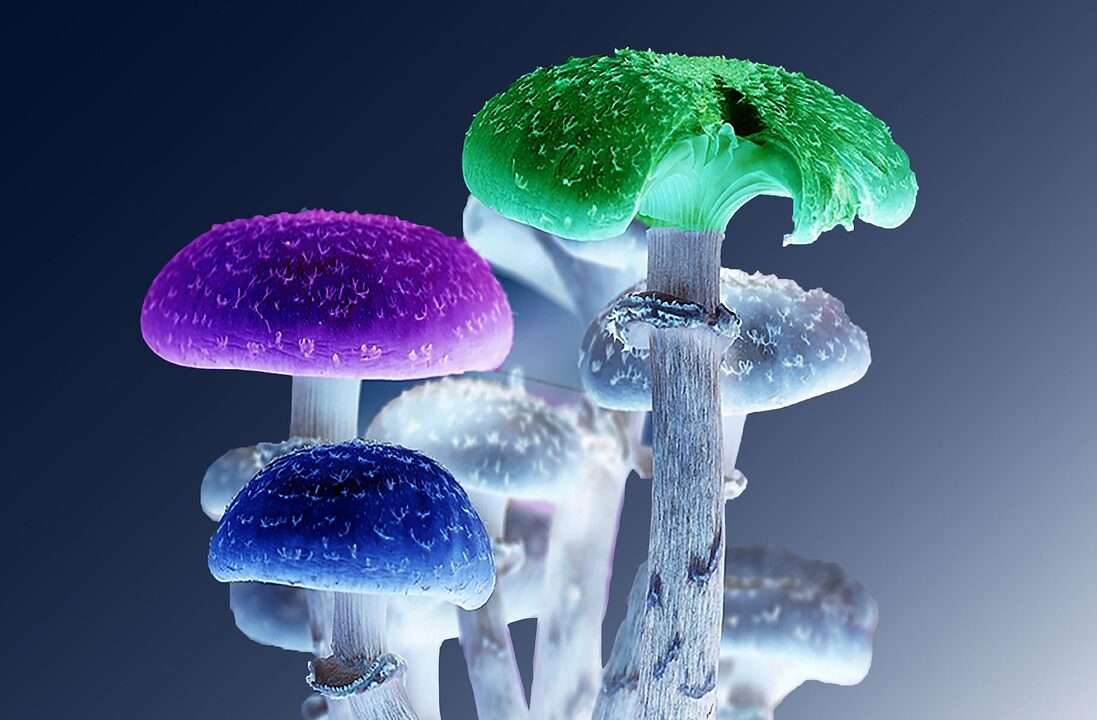
New research from the Christie Lab at the University of Victoria reveals something remarkable: two psychedelic compounds: psilocybin (found in certain mushrooms), and 5-MeO-DMT (present in toad venom and select plants) show extraordinary promise for healing brain injuries.
“These substances transform healing,” says Josh Allen, a UVic postdoctoral fellow in neuroscience and co-author of the groundbreaking review.
When your brain suffers trauma, it triggers inflammation, a natural response that, when prolonged, creates devastating consequences: memory problems, depression, anxiety, and PTSD. Even mild concussions can trap patients in what researchers call “rigid loops of thought and behavior.”
Here’s where the story takes an unexpected turn. These compounds work at a deeper level. They reduce harmful inflammation while enhancing neuroplasticity, your brain’s remarkable ability to reorganize itself by forming new neural connections.

The implications are profound. For athletes, military personnel, and accident survivors who have exhausted conventional options, psychedelics offer a pathway to genuine recovery.
How do they work? The answer lies in their dual action: reopening “windows of plasticity” in the brain while simultaneously inducing transformative psychological experiences. This combination helps prevent the very psychiatric disorders that often follow brain injuries.
While the research remains in early stages, the findings align with a decade of clinical studies demonstrating psychedelics’ safety and effectiveness for treating depression, anxiety, and other mental health conditions.
The question now isn’t whether these compounds have potential, but how quickly we can translate this knowledge into treatments. With healthcare systems stretched thin and patients desperate for solutions, the pressure to advance this research has never been greater.
As we stand at this frontier of neuroscience, one thing becomes clear: sometimes the most revolutionary solutions come from the most unexpected places. The journey from stigma to medicine continues, but for millions, it can’t happen soon enough.
Stay in the loop with exclusive news, stories, and insights—delivered straight to your inbox. No fluff, just real content that matters. Sign up today!