

While the verdict in the 2020 murder of George Floyd has given a glimpse of hope regarding victims receiving justice in cases of police brutality, there’s still a long way to go in addressing police brutality.
On August 21st, 2018, 23-year-old Nicholas Gibbs was shot and killed by Montreal Police in the city’s Notre-Dame-de-Grace neighbourhood. Police were called to the scene to break up a fight between two men. While police intervened, one of the two men involved in the altercation allegedly approached an officer with a knife. Police used a stun gun on the man “without success” before firing five shots. Three bullets struck and fatally killed the man. The deceased was later identified as Gibbs. Video footage appears to contradict the police’s statement, as Gibbs was seen unarmed and going through a mental breakdown caused by psychosis and was not taking his medication at the time of the shooting.
When the news first broke, local coverage solely focused on Gibbs’ criminal past and his saying, “shoot me,” at the officers while overlooking the mental distress he was in to justify his shooting death.
Just like most cases of police brutality, Gibbs and his family did not receive justice. Three years after his death, Quebec’s top prosecutor, Le Directeur poursuites criminelles et penales (DPCP), announced they would not file any charges against the police officers in Gibbs’ death.

Gibbs’ family filed a $1-million lawsuit two months after his death against the City of Montreal, arguing that the police used excessive and disproportionate force against him. The lawsuit failed to move forward after the DPCP determined no criminal charges would be filed against the Montreal police officers in the case.
Montreal-based filmmaker Stefon Verna noted that local issues in Quebec often reflect problems in the United States and Canada’s long history of ignoring their own racist shortcomings. He also visualizes the possibility of a progressive police force with de-escalation and mental health protocols to protect Black lives in an optimal world.
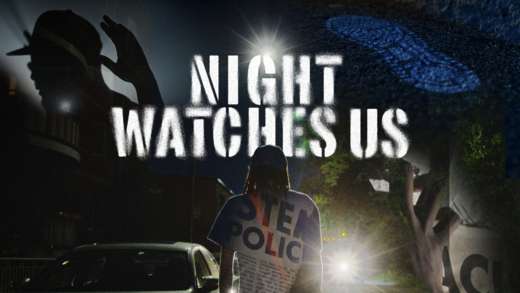
To shed light on the devastating impact of police brutality and address the need for systemic change, Verna directed a powerful National Film Board of Canada (NFB) documentary, Night Watches Us. The 42-minute documentary examines the force used by police in Gibbs’ death and tells the story through his family and community. The film features community accounts and intimate conversations from Gibbs’ loved ones, while incorporating a poetic blend of music, dance, and spoken word to address the need for a change.
After premiering at the 2025 Hot Docs Festival, the documentary had its first Montreal homecoming screening at NFB’s Alanis Obomsawin Theatre on November 14th, 2025, followed by a panel featuring those passionately involved in justice, advocacy and systemic change. Speakers part of the panel included: Alain Babinea, Director of Racial Profiling and Public Safety, Red Coalition; Emilie Nicolas, Columnist and Human Rights Advocate; Ted Rutland, Author and Professor at Concordia University and was moderated by Svens Telemaque, Cultural Advisor at the Parole Board of Canada.
Another screening will be held on December 4th, 2025, at the same theatre as part of the NFB’s Hello Film Series!, followed by a Q&A with Verna. On December 2nd, 2025, the documentary was launched across all NFB streaming platforms for free.
Stay in the loop with exclusive news, stories, and insights—delivered straight to your inbox. No fluff, just real content that matters. Sign up today!