

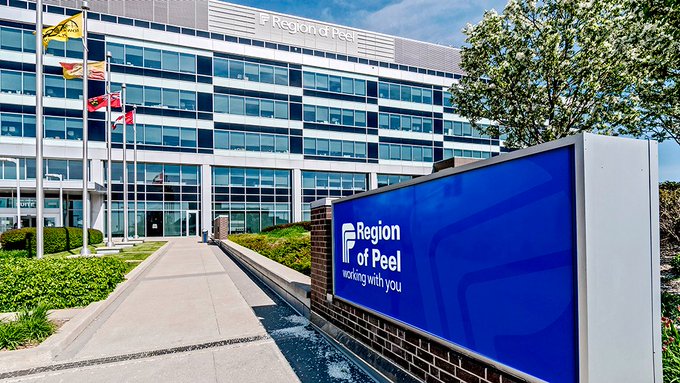

Let’s talk plainly, because the numbers in these reports are stories about people. Families. Elders. Newcomers. Workers. Children. Peel Region has been carrying a burden that would break most communities, and somehow, we have been expected to do it quietly. The data is loud now. Deafening, even, and once you see it, you can’t unsee it.
Peel is one of the fastest‑growing, most diverse, most economically essential regions in Ontario. Yet it receives the lowest per‑capita provincial funding across almost every major social service. That’s not an accident. That’s a pattern. A political choice. A structural inequity decades in the making, and the cultural meaning?
It’s the old story: communities of colour, immigrant communities, working‑class communities, expected to stretch, sacrifice, and survive on less.
- Housing: Peel has 8.5 affordable units per 1,000 residents, compared to Toronto’s 25.3.
- Homelessness: Up 223% since 2021.
- Childcare: Peel receives $4,517 per child, while Toronto gets $7,268.
- Long‑term care: Peel is short 1,753 beds, with wait times 35% longer than the provincial median.
- Mental health: Peel receives less than half the provincial per‑capita funding.
- Food insecurity: Nearly 1 in 4 households can’t reliably afford food.
- Legal aid: Peel gets $22.30 per low‑income resident, compared to the provincial $38.66.
This is inefficient. This is underinvestment: historic, systemic, and measurable.

Here is the part that should make every policymaker pause: underfunding Peel costs the entire province more. When you starve prevention, you pay for the crisis. Emergency shelters, hospital beds, policing, ER visits, homelessness interventions, these are the most expensive responses possible. The reports show that failing to fund Peel properly has cost Ontario hundreds of millions of dollars.
So, what do we do?
We stop asking for charity and start demanding parity.
We stop treating Peel like a suburban afterthought and start naming it for what it is: a major urban centre whose infrastructure was never built to match its population.
Solutions that cannot be denied:
- Fix the funding formulas; tie them to population, growth, and need, not outdated assumptions.
- Invest in capital, not crisis;housing, child care centres, long‑term care homes, community health hubs.
- Double mental health funding, as the data shows, is required.
- Increase home care funding by 27%, to meet the provincial average.
- Create 22,000+ affordable homes; the minimum needed to reach Toronto’s conservative benchmark.
- Fund public health at equitable levels
- Expand legal aid capacity, so residents can stay housed, employed, and protected.
Peel has done its part. Now Ontario must do theirs.
Stay in the loop with exclusive news, stories, and insights—delivered straight to your inbox. No fluff, just real content that matters. Sign up today!